
Guide
Assassin snails: the James Bond of snails - license to kill
They don't graze algae. They don't tidy detritus. They hunt other snails. Meet the assassin snail: the hitman of the freshwater tank.
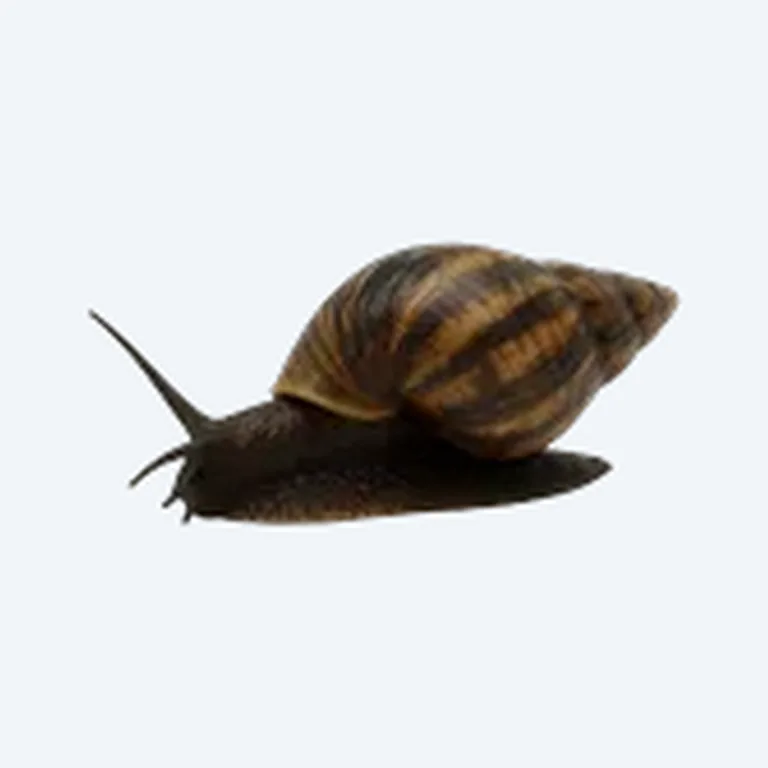
- What they are: Clea helena is a small, cone-shaped carnivorous snail that hunts and eats other snails - bladder snails, ramshorns, Malaysian trumpet snails, and more.
- How they work: They track prey by scent, burrow into substrate to ambush, then use a proboscis to drill into the shell and consume the soft body.
- Tank mates: Safe with fish and healthy shrimp. Not safe with any snail you actually want to keep - they don't differentiate between pest and pet.
- Care level: Easy. Tropical temperatures (24-27°C / 75-80°F), stable water, and either pest snails or supplemental meaty foods to eat.
- Breeding: Slow reproducers - they lay single eggs, not clutches. You won't end up with a new infestation.
- Best use case: A chemical-free solution to a pest snail explosion, especially in shrimp tanks where dosing copper or other treatments would be lethal.
What is an assassin snail?
Clea helena (previously classified as Anentome helena) is a freshwater snail from Southeast Asia - Thailand, Malaysia, and the surrounding region - where it lives in slow-moving rivers, streams, and lakes with sandy or muddy substrates. In the wild it's a predator and scavenger. In your tank, it does the same job.
The shell is immediately recognisable: a sharply pointed cone, banded in alternating yellow and dark brown, reaching about 2-3 cm (roughly an inch) at full adult size. It looks purpose-built for trouble, and it is. Unlike virtually every other snail in the hobby - nerites, mystery snails, ramshorns - the assassin is an obligate carnivore that actively hunts live prey. That's the whole reason people buy them.
They've been in the hobby since the mid-2000s and are now widely available. Their reputation is well-earned: given enough time and numbers, they will genuinely reduce a pest snail population. They're not folklore.
How assassin snails hunt
Assassins are slow, methodical predators. They don't chase prey across open water - they follow chemical trails left in the water column and substrate until they locate a snail, then close in. Once contact is made, they extend a long, fleshy proboscis, find a gap in the prey snail's operculum (the protective door some snails have) or work through the shell aperture, and consume the soft body entirely. What's left is an empty shell.
Their habit of burrowing partially into the substrate isn't just resting behaviour - it's how they ambush snails that also live in or near the substrate, like Malaysian trumpet snails. MTS are notoriously hard to shift because they live buried during the day and only surface at night. Assassins work on the same schedule and find them underground.
If you're targeting Malaysian trumpet snails specifically, dim the lights and check the tank an hour after lights-out. That's when both species are most active, and you'll actually see the assassins working rather than wondering if they're doing anything.
Larger prey - adult mystery snails, adult apple snails - can be taken by groups of assassins working together, though this is less reliable. If you're keeping large ornamental snails, assassins are a genuine risk to them, especially juveniles.
Assassin snail care
Water parameters
Assassins are not demanding. They come from soft to moderately hard water in nature but adapt well to a range of conditions. What matters most for long-term health is stability - big swings in pH or hardness stress them like any invertebrate.
- Temperature: 24-27°C (75-80°F). They'll tolerate slightly outside this range but don't push it.
- pH: 7.0-8.0. Slightly alkaline is fine; acidic water below 6.5 will erode the shell over time.
- Hardness: 8-15 dKH. Hard water supports healthy shell growth. Soft, acidic water is the one combination to avoid.
- Ammonia / nitrite: Zero. Like all invertebrates, assassins are sensitive to ammonia spikes. Make sure your tank is properly cycled before adding them.
Soft, acidic water (pH below 6.5, hardness below 4 dKH) causes shell pitting and erosion over months. The snails will survive for a while but their shells will gradually deteriorate. If your tap water is very soft, a small amount of crushed coral in the filter will buffer the pH and add hardness without any drama.
Tank size and substrate
Assassin snails can live in tanks as small as 40 litres (10 gallons), though a larger tank gives them more territory and more prey. More importantly, substrate matters. They need fine sand or smooth fine gravel to burrow into. Coarse gravel frustrates them - they'll still hunt, but they can't use the ambush-from-below tactic that makes them so effective against burrowing snails like MTS. A substrate depth of 3-5 cm (1.5-2 inches) is enough.
Feeding when pest snails run out
This is where most guides fall short. People buy assassins, the pest snails disappear, and then they don't think about what their assassins are eating. A snail with nothing to hunt will scavenge, but it'll also slowly decline from malnutrition if there's genuinely nothing meaty available.
Once pest numbers drop, supplement with:
- Sinking carnivore pellets (anything with a high protein content)
- Frozen bloodworm, brine shrimp, or daphnia - thawed and dropped in at night
- Small pieces of blanched mussel or prawn (remove uneaten food after a few hours)
You don't need to feed them daily. Every two to three days is fine for adults if there are still a few snails around. If the tank is completely clear of snails, feed every other day.
Assassin snails will not eradicate a pest snail population completely. They'll reduce it significantly and keep numbers suppressed, but a few snails will always hide in places the assassins can't reach - behind equipment, inside filter intakes, deep in dense plants. That's not a failure; that's just biology. Your goal is control, not extinction.
How many assassin snails do you need?
The honest answer is: it depends on how bad the infestation is. As a rough starting point:
A reasonable starting ratio for a moderate pest snail problem. Scale up if the infestation is severe or if you want faster results.
For a heavy infestation in a 200-litre tank, starting with 6-10 assassins will produce visible results within a few weeks. Adding 2 or 3 and expecting a fast turnaround in a densely planted tank with hundreds of bladder snails is setting yourself up for disappointment.
They also breed, so a colony will grow over time - slowly. A breeding pair will lay a few eggs a week, and juveniles take several months to reach maturity. You're not going to end up overrun, but a small group will gradually become a self-sustaining population if conditions are good.
Tank mates: who's safe, who isn't
Fish
All fish are safe. Assassins are too slow and too small to threaten any fish species you'd realistically keep with them. The only direction the predation runs the other way: large, snail-eating fish like clown loaches or pufferfish will eat assassins. Don't keep them together.
Shrimp
Healthy, active adult shrimp - cherry shrimp, amano shrimp - are safe in practice. Assassins can't catch a shrimp that doesn't want to be caught. The nuance here is that very newly hatched shrimp (shrimplets) and moribund or dying shrimp are vulnerable. If you're running a breeding shrimp colony, the occasional shrimplet loss is possible but rarely a significant problem. Most experienced shrimp keepers run assassins and shrimp together without issue.
Other snails
This is non-negotiable: do not keep assassins with any snail you value. Nerite snails, mystery snails, rabbit snails - all are targets. Assassins have no concept of which snails you paid £8 for. Larger, healthy nerites and mysteries can sometimes fend off a single assassin by clamping down hard, but juveniles and snails caught off-guard will be eaten. If you want both, you need separate tanks.
Buying two or three assassins for a tank of a hundred bladder snails and expecting results within a week. Assassins are methodical, not fast. Two snails in a heavily infested tank will make a small dent over months. If you want meaningful control in a reasonable timeframe, stock appropriately - at least one assassin per 20-30 pest snails is a more realistic ratio to start with.
Breeding assassin snails
You need a male and a female to breed, and there's no reliable way to sex them externally - males and females look identical. Buy a group of four to six and you'll almost certainly have both sexes. They'll sort it out themselves.
Eggs are laid singly, attached to hard surfaces - glass, wood, plant stems, rocks. Each egg capsule is small, yellowish, and square-ish in shape. Incubation takes four to eight weeks depending on temperature. Juveniles hatch as tiny, fully-formed snails and immediately burrow into the substrate. You'll rarely see them until they're a few months old and growing out.
The slow reproductive rate is genuinely one of the best things about this species. Unlike bladder snails, which can go from 2 to 200 in a month, assassins build up gradually. A group of six might become fifteen to twenty over a year. That's a manageable, self-regulating colony.
What most guides miss
A few things you rarely see discussed:
They scavenge as well as hunt. If a fish dies overnight, assassins will find it before you do in the morning. This is useful - they're part of your cleanup crew, not just a snail-control tool.
They go through inactive phases. Assassins will sometimes bury themselves completely and not appear for days. This is normal, especially after feeding heavily or if there's nothing obvious to hunt. They're not dead. Stop poking the substrate.
Water quality affects their activity. In tanks with elevated nitrates or unstable parameters, assassins become noticeably less active. If yours seem sluggish, check your water parameters before assuming something else is wrong. Keeping a test log - something the App-aquatic app handles well - makes these patterns easy to spot.
They won't fully eradicate pond snails. If you have a planted tank with a healthy detritus layer, some pond snails will always find hiding spots. Assassins are population control, not pest elimination. If total eradication is the goal, you need to combine assassins with manual removal and reducing overfeeding (which is usually what caused the explosion in the first place).
Overfeeding is the root cause of most pest snail explosions. Snail populations track available food directly - the more uneaten food and decomposing matter in the tank, the more snails. Fix the feeding habits alongside adding assassins and you'll get control much faster. See our guide on how often to do water changes for related advice on keeping organic waste in check.
Track your parameters and get care reminders with App-aquatic.
Get the free appWill assassin snails eat my shrimp?
Healthy adult shrimp are almost always safe - assassins are too slow to catch a shrimp that's actively moving. The real risk is to very small shrimplets and to shrimp that are already dying or severely weakened. Most keepers run assassins alongside cherry shrimp or amano shrimp without meaningful losses. If you're breeding shrimp for profit or competition, the occasional shrimplet loss is possible, but it's rarely a significant issue in practice.
How long does it take for assassin snails to get rid of pest snails?
Weeks to months, depending on how many assassins you have and how bad the infestation is. A small group of 4-6 working on a moderate infestation in a 100-litre tank will show visible results in 4-8 weeks. A severe infestation with too few assassins could take six months or more. There's no fast fix here - they're methodical hunters, not rapid exterminators.
What do I feed assassin snails if there are no pest snails left?
Sinking high-protein pellets, frozen bloodworm, brine shrimp, or small pieces of mussel or prawn. Drop food in at night when they're most active and remove anything uneaten after a few hours. Every two to three days is enough if there are still a few snails around; every other day if the tank is completely clear.
Can I keep assassin snails with nerite snails or mystery snails?
Not safely. Assassins will target any snail they can overpower, including nerites and mystery snails. Large, healthy adults can sometimes clamp down and survive an attack, but juveniles and snails caught in vulnerable positions will be eaten. If you want both species, they need to be in separate tanks.
My assassin snails have buried themselves and I haven't seen them in days. Are they dead?
Almost certainly not. Burrowing and going dormant for several days at a time is completely normal behaviour, especially after a big meal or when there's little prey available. Leave them alone. If you're genuinely worried, gently pick one up - a live assassin snail will retract or show movement within a minute or two. A dead snail stays limp or hangs out of its shell and gives off an unmistakably foul smell. If you find one, remove it promptly so it doesn't foul the water.
More guides · Assassins with nerites · Mystery snails · Cleanup crew · App features