Guide
Euthanizing fish: humane methods and what to avoid
When a fish is suffering and cannot recover, humane euthanasia is a responsible choice. This guide covers veterinary-backed methods, inhumane practices to avoid, and how to separate facts from myths.
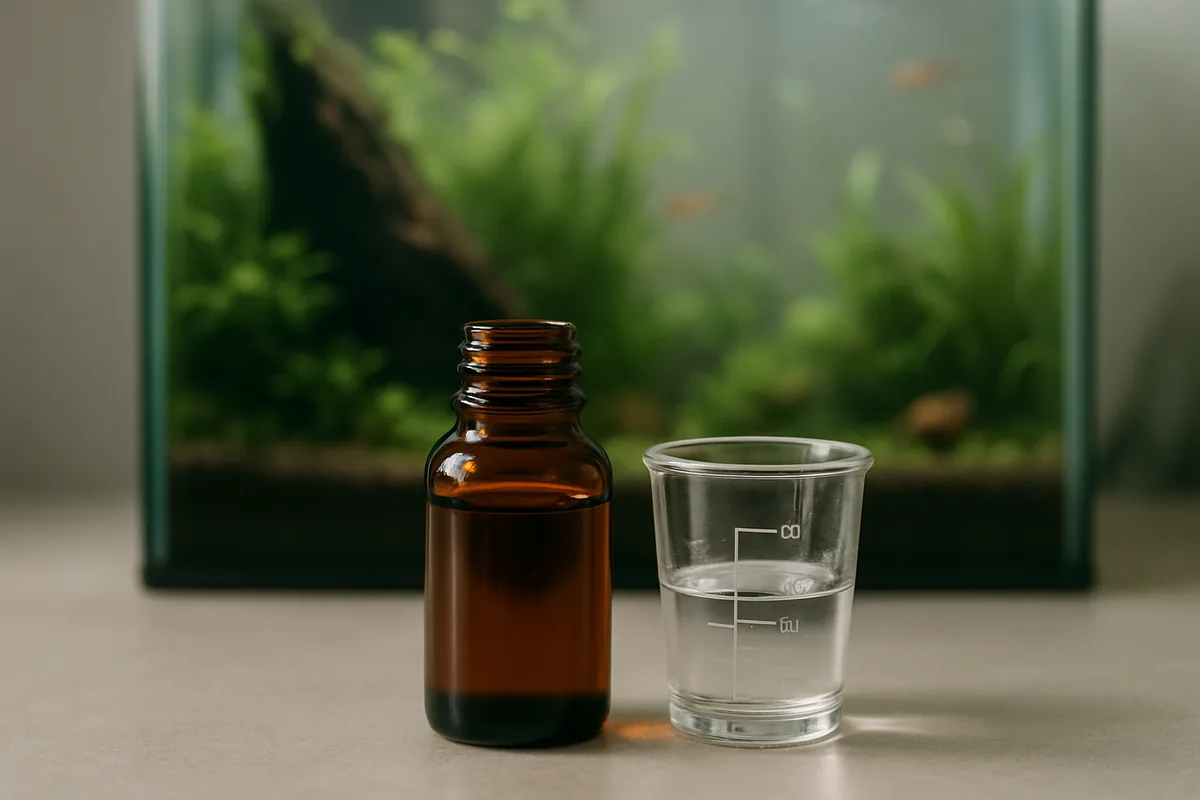
- Clove oil (eugenol) is a recognised humane method when used correctly: 0.4-0.5 ml per litre, mixed with warm water, added slowly over 5 minutes, then wait 10+ minutes after gill movement stops.
- Never flush fish. Avoid direct ice, blunt force, or decapitation without prior stunning.
- Fish can experience distress; choose methods that minimise suffering.
- Dispose of fish appropriately - bury or household waste, never release into the environment.
Content note: This guide discusses end-of-life care for fish. If you are struggling with this decision, see when a child's fish dies for support around loss. For illness and treatment options first, see our top fish illnesses and hospital tank guide.
When to consider euthanasia
Euthanasia may be appropriate when a fish is suffering from untreatable illness, severe injury, or chronic decline with no prospect of recovery. Examples include advanced swim bladder disease that doesn't respond to treatment, severe dropsy (organ failure; see top fish illnesses), untreatable infections, or injuries that prevent normal movement or feeding. The decision is personal. If you're unsure, a vet with fish experience can advise.
Humane methods: clove oil (eugenol)
Clove oil (eugenol) is recognised by veterinary and welfare bodies as an acceptable method for euthanising ornamental fish. It acts as a sedative: the fish loses consciousness, then dies from lack of oxygen. Done correctly, it minimises distress.
What you need
- Clove oil - Pure clove oil from a pharmacy or health store. Check the label: products with 85-95% eugenol are preferred for consistent dosing. Buy clove oil, sometimes labelled clove bud essential oil or eugenol. Do not buy "clove fragrance oil", "clove essence" or anything sold as a perfume or diffuser oil: these are synthetic, contain little or no eugenol, and will not sedate a fish. If the bottle does not name eugenol, clove bud oil or Eugenia caryophyllus in the ingredients, it is the wrong product.
- A small container - Large enough for the fish with room to move, but not so large that you need excessive clove oil. A 1-2 litre (roughly 1-2 US quarts) container is typical for a single small fish.
- Water from the fish's tank - Same temperature as the tank to avoid thermal shock.
- A small jar or bottle - For mixing clove oil with warm water.
- Warm tap water - To emulsify the clove oil.
Step-by-step: clove oil euthanasia
- Prepare the container. Fill it with water from the fish's tank. Match the temperature (use a thermometer if needed). Place it somewhere quiet and stable.
- Calculate the dose. Use 0.4-0.5 ml of clove oil per litre of water in the container. For gallons: 1.5-1.9 ml per US gallon, or 1.8-2.3 ml per imperial gallon. Work to the upper end rather than the lower - under-dosing is the one failure mode that leaves a fish sedated rather than dead. In drops: roughly 10 drops per litre (20 drops ≈ 1 ml). If your container holds 1 litre, use 0.4-0.5 ml (about 8-10 drops).
- Mix the clove oil. In a small jar, add the measured clove oil. Add an equal or slightly larger volume of warm (not boiling) tap water. Cap the jar and shake vigorously until the mixture looks milky. Clove oil does not dissolve in water; shaking creates an emulsion so it disperses in the fish's water.
- Net the fish. Gently catch the fish and transfer it to the prepared container. Avoid prolonged chasing or rough handling.
- Add the mixture slowly. Over about 5 minutes, pour the milky mixture into the container. Stir gently or add it in small amounts so the fish is not suddenly plunged into a high concentration. Adding it all at once can cause distress. The fish should become sedated and stop swimming actively.
- Wait for gill movement to stop. The fish will lose consciousness first, then gill movement will cease. This may take several minutes.
- Wait at least 10 more minutes. After gill movement has stopped, leave the fish in the solution for at least 10 minutes to ensure death. Do not assume the fish is dead as soon as it stops moving.
- Dispose of the fish appropriately. Do not release into ponds, rivers, or drains. Bury the fish, or wrap and place in household waste according to local rules. Do not use clove-oil-euthanised fish for human or animal consumption.
Common mistakes to avoid
- Adding clove oil too quickly - Can cause pain or panic. Always add over about 5 minutes.
- Using too little clove oil - May sedate without causing death, leaving the fish to wake in poor condition.
- Removing the fish too soon - Wait at least 10 minutes after gill movement stops.
- Using cold or boiling water for the mix - Warm tap water is sufficient; extreme temperatures can harm the fish before the oil takes effect.
Methods to avoid: inhumane and harmful
Some practices are widely considered inhumane or harmful. Avoid them.
Flushing down the toilet
Never flush a fish. Flushing causes stress, temperature shock, and exposure to chemicals. Fish may remain conscious for some time. It also spreads disease to wild populations and can introduce non-native species. It is not a "quick" or "peaceful" death.
Direct ice or freezing a conscious fish
Placing a conscious fish directly into ice water or a freezer can cause pain. Fish have nociceptors (pain-sensing structures) and can experience distress from sudden cold. Progressive chilling by trained personnel, with the fish in chilled water (not touching ice) and rendered unconscious first, is used in some commercial settings - but for home aquarists, clove oil is simpler and more reliable.
Blunt force without prior stunning
Stunning a fish by a single, decisive blow to the head can be humane if done correctly by someone trained to do it. For most hobbyists, this is difficult to perform reliably. Striking repeatedly or inexpertly causes suffering. We do not recommend it for typical home use.
Decapitation alone
Decapitation without prior anesthesia can cause pain and stress. It is not recommended as a standalone method for ornamental fish.
Leaving the fish to die slowly
Allowing a severely ill or injured fish to die slowly without intervention can prolong suffering. If recovery is not possible, humane euthanasia is the kinder option.
Facts vs myths
| Myth | Fact |
|---|---|
| "Fish don't feel pain." | Fish have nociceptors and show behavioural and physiological responses to harmful stimuli. Treat them as capable of experiencing distress. |
| "Flushing is quick and painless." | Flushing is inhumane. It causes stress, shock, and can spread disease. Never flush fish. |
| "Freezing is humane." | Only if the fish is unconscious first. Freezing a conscious fish can cause pain. |
| "Clove oil is dangerous or unreliable." | Clove oil (eugenol) is recognised by veterinary and welfare guidelines when used correctly. Follow dosing and timing carefully. |
| "It's kinder to let nature take its course." | When a fish is suffering with no chance of recovery, prolonging that suffering is not kind. Humane euthanasia ends distress. |
Disposal
Do not release euthanised fish into natural water bodies. Bury the fish in your garden (where permitted), or wrap it and place it in household waste according to local regulations. Do not use clove-oil-euthanised fish for human or animal consumption; eugenol residues are a concern.
If you need support
Deciding to euthanise a fish is difficult. Many aquarists form strong bonds with their fish. If a child is involved, see my child's fish died for guidance on talking about loss. For general fish health and when to treat vs when to consider euthanasia, our top fish illnesses and suddenly losing fish guides may help.
Related guides
Log parameters, scan strips offline, and run stocking checks with App-aquatic.
Get the free appMy child's fish died · Top fish illnesses · Hospital tanks · Suddenly losing fish · Swim bladder disease · Ethics of fishkeeping · All guides