
Myth busted
Betta fish myths debunked: the most misunderstood fish in the hobby
No fish in the hobby has more mythology built around it than the betta. They're sold in tiny cups, kept in unheated vases, housed in containers smaller than a sandwich box - all with justifications built on myths that have been repeated so many times they've achieved the status of fact. Here's what's actually true.
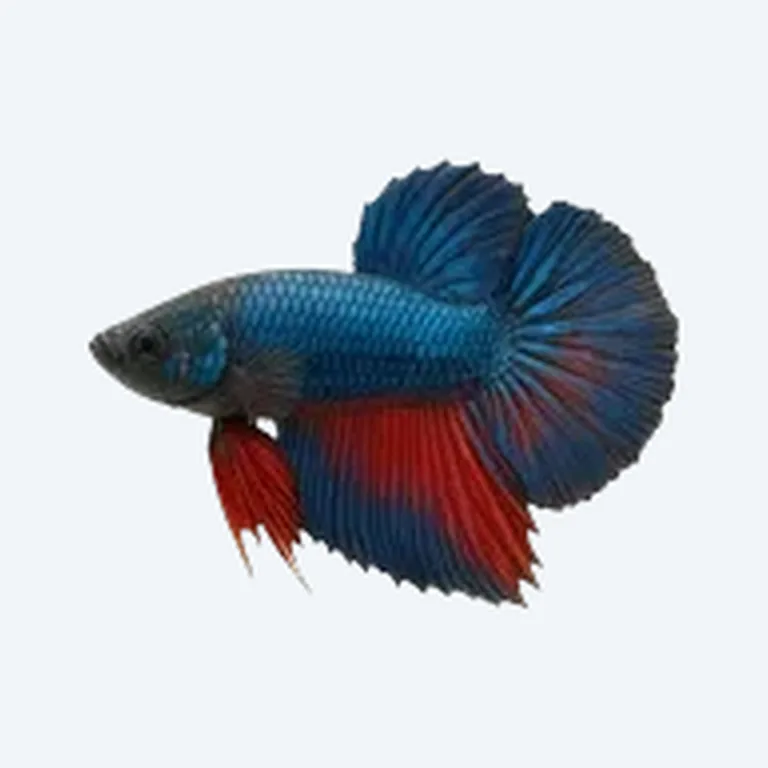
- Myth 1: Bettas are fine in a bowl. They are not. Heated, filtered tank, 40L minimum.
- Myth 2: Bettas live in puddles in the wild. Misrepresented. Rice paddies are warm and nutrient-rich, not tiny cups of cold water.
- Myth 3: Bettas must live alone. Males can't live with males. They can live with many other species.
- Myth 4: The labyrinth organ means bettas don't need filtration. False. They still suffer from ammonia toxicity.
- Myth 5: Bettas are aggressive toward everything. They are selectively aggressive, not universally hostile.
- Myth 6: Bettas only live 1-2 years. With proper care: 3-5 years is standard.
Myth 1: Bettas are fine in a bowl or small container
This is the myth that kills more bettas than any other. Walk into any pet shop and you'll see bettas displayed in tiny plastic cups or small tanks - sometimes without filtration, without heat, sometimes in volumes of less than a litre. This display method communicates to buyers that this is how bettas are kept. It is not. It is a display method driven by practicality and space constraints, not a welfare standard.
"Bettas are sold in those little cups - they must be designed to live in small spaces. Mine is fine in its 5-litre tank."
The retail cup is a short-term transport container. Bettas in cups are typically there for days, not months. In those days they are already deteriorating. A betta in a 5-litre tank experiences rapid ammonia build-up, temperature instability, and chronic stress. The fish survives for months, not years, and its immune system is perpetually compromised.
A betta in an appropriate setup - a 40-litre planted tank with a gentle filter and heater - behaves completely differently to a betta in a bowl. It patrols its territory. It builds bubble nests. It responds to movement. It investigates. It displays its fins. It eats eagerly and actively. The behavioural difference between an appropriate and an inadequate setup is stark and visible within days of moving the fish.
Myth 2: Bettas live in puddles - small spaces mimic their natural habitat
The betta's native habitat - rice paddies and shallow streams of Southeast Asia - is used to justify small tank setups. “They evolved in shallow water, they don't need deep tanks.” “They live in puddles in the wild.” This is a misrepresentation of their actual environment.
Rice paddies are not puddles. They are large, shallow bodies of water at warm temperatures (28-32°C) with dense vegetation providing shelter, territories, and hunting ground. They are not isolated cups of cold, unfiltered water. Seasonal flooding in their native range does cause temporary low-water periods - but these are transitional conditions, not steady-state environments. The fish is adapted to survive them, not to thrive in them indefinitely. There is a significant difference between “can tolerate briefly” and “optimal living conditions.”
The story that bettas “evolved to live in small puddles” is commercially convenient. A betta sold with the requirement for a 40-litre tank, a heater, and a gentle filter is a more complex and more expensive proposition than a betta sold as something you can keep in a vase on a shelf. The truth about betta requirements is bad for impulse sales. The myth about puddles keeps selling.
Myth 3: Bettas must live alone - they hate everything
Male bettas cannot be kept with other male bettas. This is true and non-negotiable - male bettas will fight until one is dead or severely injured, which is why Betta splendens is named the Siamese fighting fish. But this male-to-male aggression is regularly extrapolated into a belief that bettas are universally hostile and must live in isolation.
The truth is considerably more nuanced:
- Female bettas can sometimes be kept together in groups of 5+ in a large, heavily planted tank (a “sorority tank”). This requires careful setup and monitoring - but it works for many keepers.
- Bettas with other species: Many bettas coexist peacefully with corydoras catfish, otocinclus, mystery snails, small rasboras, and ember tetras. The key variables are: the individual betta's temperament (they vary considerably), tank size (40L minimum), and avoiding fin-nipping species like tiger barbs or nippy tetras.
- Not all bettas are equally aggressive. Some males are highly territorial toward anything; others ignore tank mates entirely. Individual personality is a real factor. The only reliable way to find out is to observe carefully after introduction, with a backup plan in place.
When introducing a betta to an existing community, add the betta last - after the community is established and the tank is fully cycled. A betta added to an existing, stable community is less likely to behave territorially than a betta that considers the whole tank its own territory before other fish arrive.
Myth 4: The labyrinth organ means bettas don't need filtration or clean water
Bettas are labyrinth fish. Their labyrinth organ - a specialised respiratory structure - allows them to breathe atmospheric air directly from the surface. This is a remarkable evolutionary adaptation that allows bettas to survive in hypoxic (low-oxygen) water conditions that would kill most other fish. And it is routinely misused to justify terrible water conditions.
The labyrinth organ means bettas can survive in low-oxygen water. It does not mean they are immune to ammonia. It does not mean they don't benefit from filtration. It does not mean water quality is unimportant.
Bettas in chronically poor water conditions - high ammonia, low dissolved oxygen, temperature extremes - develop:
- Fin rot - bacterial infection of the fins, which deteriorates visibly
- Velvet - a parasitic infection common in stressed bettas
- Lethargy, loss of appetite, and pallor
- Shortened lifespan
The labyrinth organ is an insurance policy for survival in difficult conditions. It is not a substitute for appropriate husbandry. A betta breathing atmospheric air while sitting in ammonia-laden water is surviving, not thriving.
Myth 5: Bettas are aggressive toward all other fish
Male bettas are aggressive toward other male bettas. They can also be aggressive toward fish with similar appearance - flowing fins, bright colours - which they may misidentify as rival males. Guppies with long, colourful tails are a frequent casualty. But the generalisation that bettas are aggressive toward everything is simply not supported by the experience of thousands of fishkeepers who successfully keep bettas in communities.
Species that generally work with bettas:
- Corydoras catfish (bottom dwellers, ignored by most bettas)
- Otocinclus (algae eaters, small and fast)
- Ember tetras and harlequin rasboras (small, fast, drab enough not to trigger aggression in most bettas)
- Mystery snails and nerite snails (most bettas show no interest)
- Kuhli loaches (nocturnal bottom dwellers)
Species to avoid: long-finned guppies, neon tetras in small tanks, tiger barbs, any fin-nipping species, and other bettas. Use our stocking calculator to check before adding to a betta tank.
Myth 6: Bettas only live 1-2 years
The average betta in substandard conditions lives 1-2 years. The average betta in appropriate conditions lives 3-5 years. Bettas have been documented living 7-9 years in exceptional conditions. The perception that bettas are short-lived is accurate as a description of reality - but that reality is a product of how they're kept, not their biology.
A betta purchased from a shop is typically 6-12 months old already (the time to grow out to display size). A 5-year lifespan from the point of purchase is achievable with proper care - a 40-litre heated, filtered, planted tank, regular water changes, varied diet, and no stressors. Most bettas never get close to this because the myths above keep them in conditions that shorten their lives systematically.
Most bettas die within 1-2 years in bowls and undersized, unheated, unfiltered tanks. In an appropriate 40L+ heated, filtered setup, 3-5 years is realistic. Some reach 7+. The difference is entirely conditions, not biology.
What bettas actually need
- Tank size: 40 litres minimum. More is better. Long tanks with horizontal swim space are better than tall, narrow ones.
- Temperature: 24-28°C. Bettas are tropical fish. Below 22°C their immune system is compromised and they become lethargic and disease-prone.
- Filtration: A gentle filter - sponge filter or filter with a baffle to reduce flow. Bettas have flowing fins and struggle against strong current.
- Plants and cover: Bettas are territorial and need hiding spots, visual breaks, and surface plants (floating plants like frogbit are ideal - bettas build bubble nests under them).
- Diet: High-protein - specific betta pellets, frozen bloodworm, daphnia, brine shrimp. Not just flake.
- Lid: Bettas jump. Always a lid with minimal gaps.
Related guides
Track your betta's tank parameters, feeding schedule, and fin health over time - App-aquatic makes it easy to catch problems early.
Get the free appCan a betta live in a 10-litre tank?
It can survive. It won't thrive. A 10-litre tank builds ammonia rapidly, temperature fluctuates easily, and provides almost no space for a fish that is naturally territorial and active. The minimum where a betta can genuinely do well - not just survive - is 40 litres (10 gallons). Small tanks require more frequent water changes and offer less stability at every level.
Do bettas need a heater?
Yes. Bettas are tropical fish from Southeast Asia. Their optimal temperature is 24-28°C. Most UK and Northern European rooms run at 18-22°C - too cold for a betta to thrive. Below 22°C, bettas become lethargic, lose appetite, and become immune-compromised and disease-prone. A reliable heater is not optional.
Can betta fish recognise their owners?
Yes - this is well-documented. Bettas recognise regular people who feed them, responding differently to familiar versus unfamiliar faces. They will often come to the front of the tank when approached by their keeper, particularly at feeding time. This is one reason bettas develop strong personality impressions - they genuinely interact with individual humans rather than treating all humans identically.
Why is my betta not eating?
The most common causes: water temperature too low (below 24°C makes bettas lose appetite rapidly), stress from wrong tank mates or excessive flow, illness, or water quality issues. Test your water first. Check temperature. If parameters are correct and temperature is in range, observe for disease symptoms (fin rot, velvet, ich). Bettas also go off food when changing to a new food type - try varied offerings of frozen brine shrimp or bloodworm.
All guides · Betta care guide · Betta tank mates · 10 fishkeeping myths · Goldfish myths · Stocking calculator