
Tank mates
Best Betta Tank Mates: Compatible Species
Last updated: May 2026
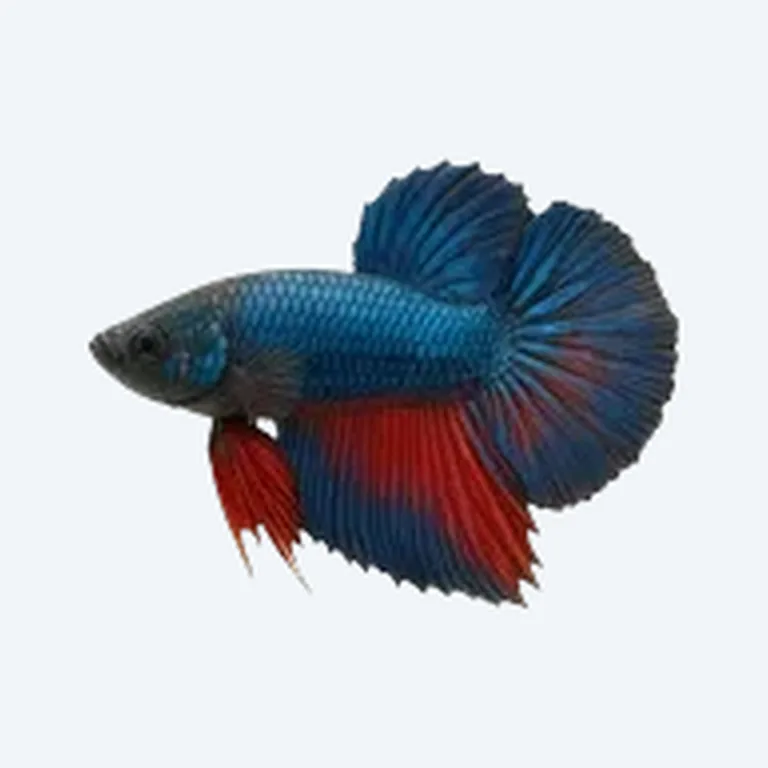
- Tank size: 40 L (10 gal) is the bare minimum for a betta plus a small cleanup crew; 80 L (21 gal) or more gives you real flexibility for a multi-species community.
- Water: 24-28 °C (75-82 °F), pH 6.5-7.5, soft to moderately hard - most compatible species share this window comfortably.
- Flow: Bettas are labyrinth fish from slow, shallow water. High flow stresses them and shreds finnage. Keep surface movement gentle.
- Best tank mates: Corydoras, kuhli loaches, nerite snails, ember tetras, and small rasboras are the most consistently successful choices.
- Hard limits: Never house two male bettas together. Avoid tiger barbs, serpae tetras, and any fin-nipping species - even brief attacks cause lasting damage.
- The real variable: Individual betta personality matters more than any compatibility chart. Some males are placid; others attack their own reflection. Observe and be ready to separate.
Pairing Betta (Male) with something specific? Our fish compatibility checker compares any two of 815 species on water parameters, predation risk, fin nipping, temperament and tank size - and draws them both at life size so you can see the difference.
Why betta communities are harder than they look
Most "betta community" articles list compatible species and call it done. What they skip is the honest part: bettas are facultative air-breathers with a labyrinth organ, which means they need unobstructed surface access at all times. They evolved in warm, slow-moving rice paddies and floodplains in Southeast Asia - not the well-oxygenated, moderate-flow tanks that suit the majority of community fish. Getting the environment right for your betta first is the prerequisite. Compatible species come second.
The other thing most guides gloss over is that male betta temperament is genuinely unpredictable at the individual level. One male will ignore corydoras completely; another will flare and chase them relentlessly. If you're planning a community, do it with the understanding that you might need a backup plan - a spare tank or a divider - if your specific fish turns out to be aggressive beyond typical.
A male betta in a well-planted 40 L on his own, with good water quality and enrichment, lives a better life than the same fish crammed into a community tank that's really too small. A community setup can absolutely work - but do it because it genuinely suits both the betta and the tank mates, not just because it looks interesting.
Getting the environment right first
Before you think about tank mates, your tank needs to be cycled and stable. A betta community in an uncycled tank is a recipe for ammonia spikes that will kill your smaller, more sensitive occupants first. If you're not confident your tank is fully cycled, read the guide on how to cycle a fish tank before adding any fish.
Temperature and water chemistry
Aim for 25-28 °C (77-82 °F) as your operating range. This is warm enough for bettas and eliminates most coldwater species as candidates immediately - goldfish, white cloud mountain minnows, and danios are all incompatible on temperature alone, regardless of what some retailers claim. On water chemistry, bettas tolerate a reasonably wide band: pH 6.5-7.5, hardness up to around 15 dGH. Most of the species listed below overlap with this window, which is exactly why they appear on compatibility lists in the first place.
Flow and filtration
Use a filter rated for your tank volume, but baffle the outlet if it creates surface current strong enough to push your betta around. A sponge filter or a hang-on-back with a spray bar angled at the glass works well. Your betta should be able to hover near the surface without fighting the current. If he's spending energy staying stationary, the flow is too strong.
Surface access and lid
Bettas breathe atmospheric air directly and will drown if they can't reach the surface. Never let floating plants, surface film, or equipment block the entire surface. Equally, always keep a lid with no significant gaps - bettas jump, and they'll find any opening you've left.
Dense midground planting with sight-line breaks does more to reduce betta aggression than almost any other husbandry adjustment. If your betta can't see across the entire tank, he's less likely to fixate on tank mates.
Compatible species - and why they work
Corydoras catfish
The most reliable betta tank mate available. Corydoras species occupy the bottom of the tank entirely - they rarely venture into mid-water, and they have no features that trigger betta aggression: no bright colours, no flowing fins. Corydoras sterbai is the best choice for betta tanks specifically because it thrives at the warmer end of the range (up to 28 °C / 82 °F). Corydoras paleatus prefers slightly cooler water (22-26 °C) and is less suitable if you're keeping your tank warm. Keep corydoras in groups of six or more - they're social and visibly stressed in smaller numbers.
Kuhli loaches
Pangio kuhlii are nocturnal, eel-shaped, and spend most of their time buried in substrate or wedged behind decorations. Bettas typically ignore them entirely. They need fine sand substrate - coarse gravel damages their barbels - and they appreciate tight hiding spots like PVC pipe sections or caves. Keep them in groups of at least three to five; solitary kuhlis are rarely seen and seem genuinely stressed. They're also escape artists, so check your lid gaps.
Nerite snails
Neritina spp. are the gold-standard algae scrapers for betta tanks. They're slow, armoured, and most bettas investigate them briefly then lose interest. The critical caveat: never use copper-based medications in a tank with nerites (or any invertebrate). Copper is lethal to snails and shrimp at therapeutic fish doses. If you need to treat disease, either remove the snails first or use a copper-free medication. Mystery snails (Pomacea bridgesii) work similarly but grow considerably larger - some bettas persistently nip at their antennae, so watch closely after introduction.
Ember tetras
Hyphessobrycon amandae are small (2 cm), warm-water tetras that share the betta's preferred temperature range almost exactly. Their muted orange colouration is generally below the threshold that triggers betta aggression - unlike neon or cardinal tetras, whose bright lateral stripes can draw attention. Keep them in groups of eight or more; smaller groups become skittish and tend to cluster near the surface, which puts them in the betta's territory. In 80 L or more, ember tetras and a betta frequently coexist with no issues at all.
Harlequin rasboras
Trigonostigma heteromorpha are a reasonable choice in larger tanks (80 L+). They're fast, mid-water schooling fish, and their black triangular patch doesn't typically trigger fin-flaring in bettas the way brighter species can. The caveat: some individual bettas do target them, especially in smaller tanks with fewer hiding places. Start with a group of eight to ten, watch the first 48 hours carefully, and remove the betta temporarily if you see persistent chasing.
Keeping tetras, rasboras, or corydoras in groups smaller than six produces visible stress behaviours and often worsens fin-nipping.
Amano shrimp - with caveats
Caridina multidentata are larger than cherry shrimp and harder for a betta to catch and eat, but "harder" isn't "impossible." Heavily planted tanks with plenty of moss and cover give shrimp enough retreats to survive, but in a sparse setup a determined betta will hunt them systematically. Cherry shrimp (Neocaridina davidi) are generally not recommended unless the tank is so densely planted that the betta genuinely loses track of them - treat any survivors as a bonus rather than a plan.
Species to avoid
Some of these are obvious; some aren't.
A second male betta - this isn't a matter of tank size or enough plants. Two males will fight to injury or death, full stop. There's no workaround.
Female bettas with a male - possible during controlled breeding attempts, but not as a long-term community setup unless you're running a dedicated sorority tank. Males will harass females relentlessly outside of spawning conditions.
Tiger barbs (Puntigrus tetrazona) - notorious fin nippers even in their own community tanks. A betta's long fins are an irresistible target. This combination ends badly, predictably, every time.
Serpae tetras and Buenos Aires tetras - similar story. Both species have documented fin-nipping tendencies and are incompatible with any long-finned fish.
Gouramis - other gourami species are labyrinth fish like bettas, and males frequently conflict with each other across species. Dwarf gouramis (Trichogaster lalius) and bettas in the same tank is a bad idea.
Goldfish and other coldwater species - the temperature requirements don't overlap. Goldfish thrive at 18-22 °C (64-72 °F); bettas need 24-28 °C. Running a tank at a compromise temperature stresses both animals chronically.
Fin damage from tank mates is easy to mistake for fin rot. If you notice ragged or shortened fins, check for nippers before reaching for medication. Treating fin rot when the actual cause is physical attack won't solve anything - and some medications stress healthy fish.
What most guides miss: the introduction order matters
Most compatibility guides treat fish like static objects - compatible or incompatible. What they don't tell you is that introduction order significantly affects how a betta accepts tank mates. A betta that has lived alone in a tank for months treats it as established territory. Adding tank mates to his space triggers more aggression than if the tank mates were established first and the betta introduced into the group.
Where possible, set up your community first - cycle the tank with the corydoras or rasboras already present - and add the betta last. This won't eliminate aggression risk, but it measurably reduces territorial behaviour in most cases.
Adding tank mates to an existing betta's established tank without rearranging the decor first. Shuffling plants and ornaments before adding new fish briefly disorients the betta and disrupts territorial claims - it takes five minutes and noticeably reduces initial aggression.
Stocking a betta community responsibly
A workable 80 L betta community might look like this: one male betta, six Corydoras sterbai, eight ember tetras, and two nerite snails. That's a complete, functional community with clear space partitioning - bettas at the surface, tetras in mid-water, corydoras on the bottom, snails on the glass. It's not overcrowded, every species has appropriate companions, and the temperature requirements align.
Before committing to any combination, use the free stocking calculator to check your bioload. Overstocking a betta community causes ammonia spikes that stress everyone, and stressed fish are more aggressive and more vulnerable to disease. Regular water changes are non-negotiable - if you're unsure how often that needs to be, the guide on how often to do water changes covers the practicalities clearly.
If you're tracking multiple tanks or want parameter logs and reminders in one place, App-aquatic handles that on your phone - useful once you're managing more than one setup.
Track your parameters and get care reminders with App-aquatic.
Get the free appCan a betta live with neon tetras?
Sometimes, but it's a riskier choice than most guides admit. Neon tetras' bright blue and red lateral stripe can trigger flaring and chasing in bettas that would ignore plainer species. In a large, heavily planted tank (80 L+) with plenty of sight-line breaks, it can work - but ember tetras are a more reliably peaceful alternative with almost identical care requirements.
Can female bettas be kept in a community tank more easily than males?
Generally yes. Female bettas are less territorial and less reactive to other fish species, making community setups more straightforward. The same compatible species apply. That said, females can still show aggression - particularly toward each other - and a "sorority" tank of multiple females requires careful management and enough space (60 L minimum for a small sorority of five or six).
My betta keeps flaring at the glass. Will tank mates make this worse?
A betta that flares at his own reflection is responding to a perceived territorial threat - it's stress, not enrichment. Adding tank mates to a stressed betta usually makes things worse, not better. Address the reflection issue first: reduce external light sources that create mirror effects on the glass, or add a background. Once the betta is settled and not flaring constantly, a community is a more realistic option.
How do I know if my betta is bullying tank mates versus normal territorial behaviour?
Normal: brief flaring, occasional chasing that stops after a few minutes, fish exploring their own zones. Bullying: sustained chasing, tank mates hiding and not coming out to feed, visible fin damage or missing scales on the victims. If you're seeing the latter, separation is the right call - hoping the aggression will settle down on its own rarely works.
Do bettas do better in a community or alone?
There's no universal answer. Bettas don't require companions the way schooling fish do - a single betta in a well-maintained, enriched tank is not a lonely or deprived animal. A community can add visual interest for both the fish and the keeper, but only if it's genuinely compatible and the tank is large enough. If the choice is between a proper single-species setup and a cramped community, go solo.