Guide
How to prepare peas for fish
Why peas help with constipation and swim bladder issues, how to prepare them safely, and when to use them.
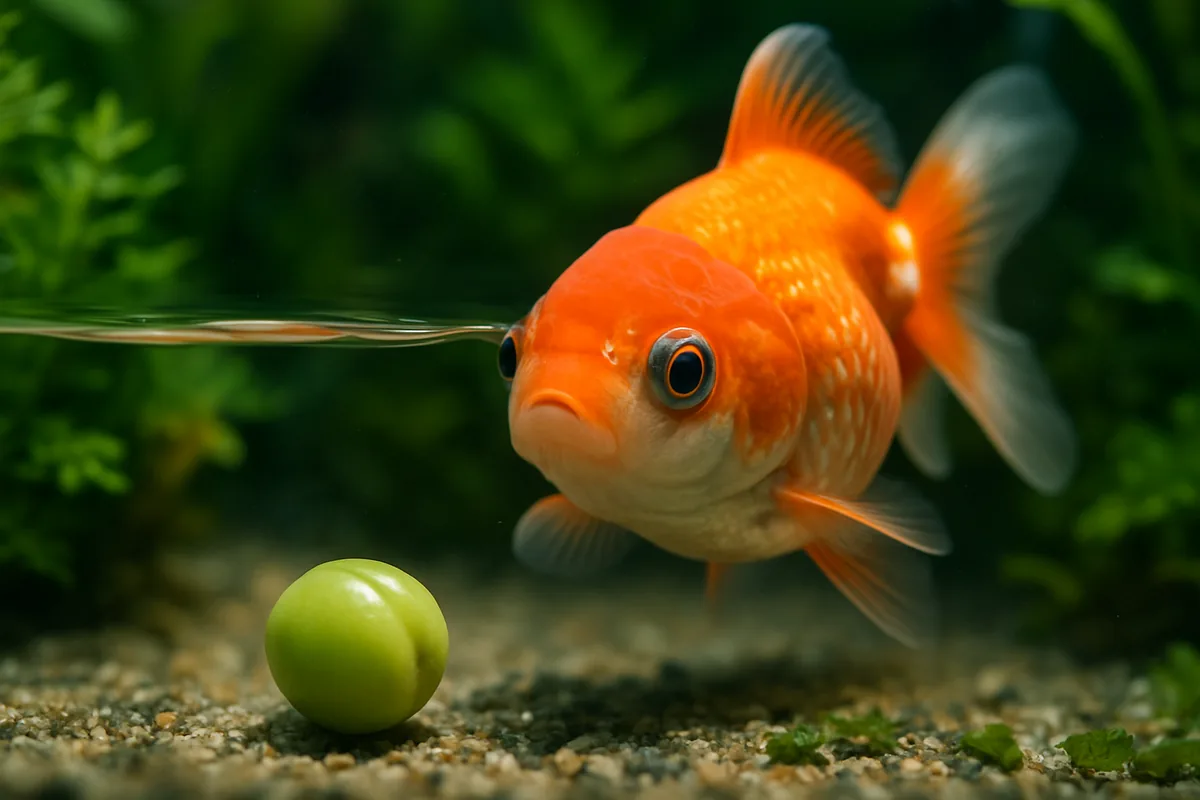
- Peas help with constipation and mild swim bladder symptoms by providing fibre.
- Use fresh or frozen peas; blanch 1-2 minutes, cool, shell, and mash or cut to size.
- Feed only what the fish eats in a few minutes; remove leftovers.
- Use as a remedy (1-2 feedings) or occasional treat, not a staple diet.
- Avoid raw peas, salted canned peas, and leaving uneaten pea in the tank.
- If symptoms persist, check water quality and consider other causes - peas don't fix all swim bladder problems.
Peas are a common home remedy for aquarium fish with constipation or mild swim bladder problems. When prepared and fed correctly, they can help move things along and relieve bloating. This guide explains why peas work, how to prepare them step by step, and when they're appropriate - and when they're not.
Why use peas for fish?
Peas are high in fibre and relatively low in fat. For fish that eat them, they act as a mild laxative: the fibre helps move waste through the digestive tract and can relieve constipation caused by dry, starchy foods (e.g. pellets and flakes) or overfeeding. When a fish is constipated or bloated, it can put pressure on the swim bladder - the organ that helps fish control buoyancy. That can lead to floating, sinking, or listing to one side. Peas don't fix the swim bladder itself, but they can ease the underlying constipation that sometimes causes or worsens swim bladder symptoms.
Peas are not a complete diet. They lack the protein, vitamins, and minerals fish need long term. Use them as an occasional remedy or treat, not as a staple food.
Which fish can eat peas?
Omnivorous and herbivorous freshwater fish are the usual candidates. Goldfish and bettas are commonly given peas when constipated. Many tropical community fish (e.g. platies, mollies, some tetras) will also eat blanched peas. Strictly carnivorous species (e.g. some cichlids, pufferfish) may ignore them or not digest them well. If in doubt, check whether your fish naturally eats plant matter. See our goldfish guide and betta care guide for general feeding advice.
How to prepare peas for fish
Raw peas are hard and difficult for fish to digest. Canned peas often contain salt or additives. Use fresh or frozen peas and blanch them so they're soft enough to eat and digest.
Step 1: Choose your peas
Frozen peas are convenient and work well. Fresh garden peas are fine too. Avoid canned peas unless the label says no salt added - and even then, rinse thoroughly. Frozen peas need no thawing before blanching.
Step 2: Blanch (cook briefly)
Bring a small pot of water to the boil. Drop in the peas and boil for 1-2 minutes. You want them soft, not mushy. Overcooking turns them into a paste that clouds the water when you feed.
Step 3: Cool and shell
Drain the peas and run cold water over them to stop the cooking. Let them cool to room temperature. Then remove the outer skin - the shell or skin is tough and can cause choking or blockages. Pinch or peel it off; the soft inner pea is what you feed.
Step 4: Mash or cut to size
For small fish (e.g. bettas, small tetras), mash the pea with a fork or cut it into tiny pieces. For larger fish (e.g. goldfish), a half or whole pea is usually fine. The goal is pieces small enough for the fish to swallow without choking.
Step 5: Feed and remove leftovers
Drop a small amount into the tank. Feed only what the fish will eat in a few minutes. Remove any uneaten pea within 15-30 minutes so it doesn't rot and foul the water. See overfeeding and safe fish treats for general feeding rules.
When to use peas
Use peas when you suspect constipation or mild swim bladder trouble - for example, a fish that is bloated, floating at the surface, sinking to the bottom, or listing to one side. Often these signs follow a change in diet, a big meal, or a period of overfeeding. Before feeding peas, rule out other causes: check water parameters (ammonia, nitrite, nitrate) and ensure the tank is cycled and clean. Stress and poor water quality can cause similar symptoms. If water is good and the fish has been overfed or eating only dry food, peas are a reasonable first step.
How often to feed peas
As a remedy, one or two pea feedings over a few days is usually enough. If the fish improves, return to normal feeding. If there's no change after a few days, consider a short fast (24-48 hours) and then try again, or look for other causes (e.g. infection, injury). As an occasional treat for healthy fish, once a week or less is plenty. Peas should not replace a balanced staple diet.
What to avoid
- Raw peas - Too hard; fish can't digest them properly.
- Canned peas with salt - Salt and additives can harm freshwater fish.
- Leaving uneaten pea in the tank - It decays and spikes ammonia.
- Feeding peas daily - They're a remedy or treat, not a staple.
- Assuming peas fix all swim bladder issues - Some causes (infection, injury, birth defects) need different treatment. See swim bladder disease for more.
Alternatives to peas
If your fish won't eat peas, or you want other options: daphnia (live or frozen) is another common remedy for constipation - it's high in fibre and often more palatable to picky fish. A short fast (24-48 hours) can also help by giving the digestive system a rest. For herbivores, other blanched vegetables (e.g. zucchini, cucumber, broccoli) are options - see fish treats for safe choices.
Related guides
Log parameters, scan strips offline, and run stocking checks with App-aquatic.
Get the free appMore guides · Swim bladder disease · Fish treats · Overfeeding · Goldfish · Betta care · App-aquatic