
Guide
Betta fins damaged: why it happens and what to do
Causes include fin rot, nipping, and sharp decor. When water parameters are OK, the cause is usually physical.
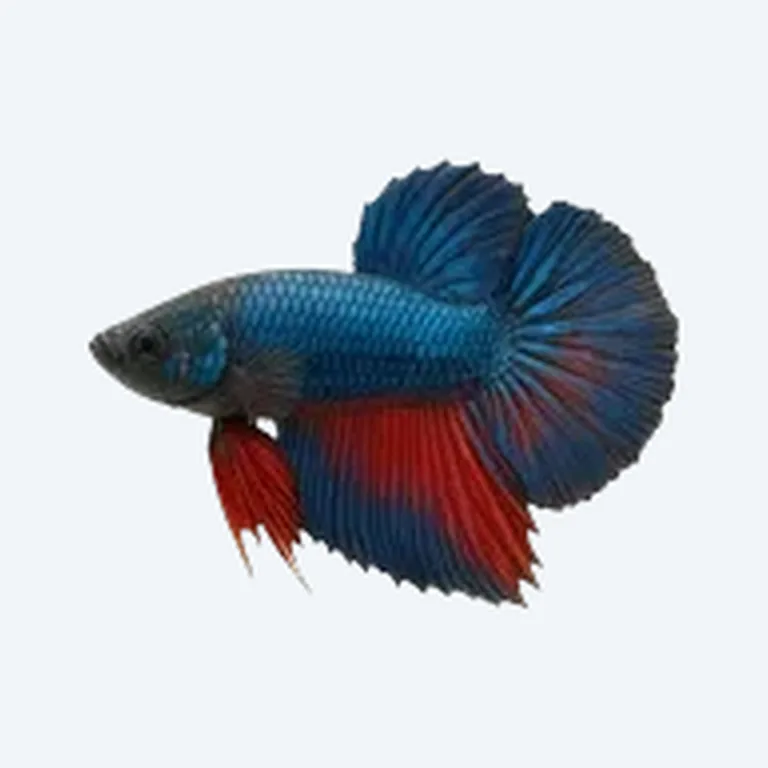
- Fin rot looks ragged and recedes: bacterial infection driven by poor water quality - ammonia, nitrite, or chronically high nitrate. Fix the water first, medication second.
- Clean tears or missing chunks usually mean physical damage: tank mates nipping, sharp decor, a strong filter intake, or the betta biting its own fins.
- Test before you treat: ammonia 0 ppm, nitrite 0 ppm, nitrate under 20 ppm, pH 6.8-7.5, temperature 24-28°C (75-82°F). If those are fine, water quality isn't your problem.
- Identify the cause before adding medication: antibacterials won't fix a torn fin from a plastic plant, and they can crash your cycle if used unnecessarily.
- Fins do regrow - slowly, over weeks to months - once the cause is removed and water quality is stable.
What damaged betta fins actually look like
The shape of the damage tells you most of what you need to know. Get comfortable looking at your betta's fins regularly, because the difference between fin rot and physical tearing changes what you do next.
Fin rot
Fin rot progresses from the edges inward. Early signs are a slightly ragged or uneven fin edge - easy to miss. As it advances you'll see the fin receding, sometimes with a dark or reddish border where healthy tissue meets dying tissue. In severe cases the fin can rot back to the body. The key visual clue is that the damage looks consumed: irregular, soft-edged, sometimes with a white or brownish film. It's caused by opportunistic bacteria (Aeromonas, Pseudomonas, Columnaris) that get a foothold when water quality is poor or the fish is stressed and immunocompromised.
Physical damage
Physical tears are sharper and more abrupt - a notch taken out of the tail, a split running along a ray, or a clean chunk missing from the edge. The tissue around the tear is usually pale or clear, not dark or inflamed. You might see this appear overnight after a nipping incident, rather than the gradual progression of rot.
Take a photo of the fins every few days. It's genuinely hard to judge whether damage is getting worse or better just by eye, especially on a fish you're looking at daily. A quick comparison image removes the guesswork.
The five causes of betta fin damage
1. Fin rot (bacterial infection)
Poor water parameters are the most common trigger. Ammonia and nitrite are the big ones - even short spikes stress a betta's immune system enough for bacteria to take hold. High nitrate (above 40 ppm consistently) and temperatures outside the 24-28°C range also contribute. Fin rot doesn't appear out of nowhere; it appears because something in the environment weakened the fish first.
Treatment starts with water quality, not the bottle of medication. Do a 30-50% water change, make sure your nitrogen cycle is established, and raise temperature to the warmer end of the range (around 27°C / 80°F) to support the immune system. Mild fin rot often clears with clean water alone over two to three weeks. For moderate to severe cases - especially where the rot is advancing quickly or reaching the body - antibacterial medication (API Fin & Body Cure, Seachem KanaPlex, or a veterinary antibiotic depending on your region) is warranted.
Adding aquarium salt as the first response to fin rot. Salt can provide minor osmotic relief but it doesn't treat bacterial infection, it doesn't address the root cause, and bettas don't come from brackish water. Sort the parameters first.
2. Tank mate nipping
This one surprises people because the offending fish often look innocent. Tiger barbs are the obvious culprits, but serpae tetras, black skirt tetras, and even some nippy individuals among species generally considered peaceful (male guppies, zebra danios) will go after a betta's flowing fins. The betta is slow; fin-nippers are fast. You'll often never see it happen.
Look for damage that appears suddenly, and watch the tank closely during feeding when fish are most active. If you have any barbs or known nippers in there, that's almost certainly your answer. Check our stocking calculator to see what's compatible before adding anything new.
3. Sharp or abrasive decor
Plastic plants are a frequent offender - many have mould seams or stiff leaves that tear delicate fin tissue as the betta brushes past. Rough driftwood, sharp rock edges, and coarse gravel can do the same. Run the back of your hand slowly across every piece of decor in the tank. Anything that snags your skin will snag a betta's fins. Replace plastic plants with silk alternatives or live plants. Sand down rough wood edges if needed.
4. Filter flow
Bettas are not built for flow. In the wild they live in slow-moving or still water - rice paddies, ponds, shallow streams. A filter rated for a 100-litre tank in a 40-litre setup creates current that pushes a betta constantly, tires it out, and can pull fins against intake grills or shred them against the outlet. Cover the intake with a pre-filter sponge (cheap and effective). Baffle a strong outlet by pointing it at the glass or placing a piece of filter sponge against it to diffuse the flow.
With the cause removed and water quality stable, small tears and early fin rot damage typically show visible regrowth within six to eight weeks.
5. Self-nipping (biting own fins)
Some bettas bite their own fins. It's a recognised behaviour and genuinely not fully understood, but common triggers are stress, boredom, a cramped tank, and reflections. A betta in a small bare tank with nothing to explore can fixate on its own reflection and attack it - or simply start fin-biting as a stress response. The damage pattern is usually consistent: bites taken from the same fin repeatedly, often the tail.
Address this by adding plants and hiding spots to break line of sight to reflections, enriching the environment, and ensuring the tank is a minimum of 20 litres (5 gallons) - though 40 litres gives a betta a genuinely better quality of life. Some bettas will self-nip regardless, which is a frustrating reality the hobby doesn't talk about enough.
If your betta is in a 10-litre "betta cube" or a vase, that's probably the root cause of whatever fin problem you're dealing with. These setups are sold as adequate, but bettas kept in them are chronically stressed. The fin damage is a symptom. The tank size is the problem.
Step-by-step: what to do when you notice fin damage
Step 1 - Test your water
Before anything else, test ammonia, nitrite, nitrate, and pH. A liquid test kit (API Master Test Kit is the standard recommendation) is more accurate than strips. Target values: ammonia 0 ppm, nitrite 0 ppm, nitrate below 20 ppm, pH 6.8-7.5, temperature 24-28°C (75-82°F). If any of those are off, water quality is contributing and needs to be fixed first. Read more about aquarium water parameters if you're not sure what to target.
Step 2 - Do a water change
A 30-40% water change immediately improves conditions and removes dissolved waste. For established fin rot, do this every two to three days until parameters hold steady. If you're not sure how often you should be changing water in general, see our guide on how often to do water changes.
Step 3 - Identify the physical cause
If parameters are fine, run through the physical checklist:
- Any tank mates that could be nipping? Watch the tank for 10-15 minutes, especially at feeding.
- Any decor that catches your hand? Remove or replace it.
- Is the filter pulling the betta or blowing it around? Add a pre-filter sponge and baffle the outlet.
- Is the betta alone and still getting damage? Check for self-nipping behaviour and address environmental enrichment.
Step 4 - Decide whether medication is needed
Mild fin rot (slight ragging at the edges, no dark border, no progression over several days) often resolves with clean water alone. Moderate to severe rot - advancing edges, dark or red borders, rot approaching the body - needs antibacterial treatment. Use a medication appropriate for bacterial fin rot and follow the dosing instructions exactly. Don't stop treatment early.
Antibacterial medications can stress or kill the beneficial bacteria in your filter, potentially crashing your cycle. If you treat in the main tank, test parameters daily during and after treatment. Consider running a cycled sponge filter in the hospital tank if you have one. See the guide to cycling a fish tank if your cycle isn't established.
Step 5 - Monitor and be patient
Fin regrowth is slow. Minor damage may show new tissue within two to three weeks; heavier damage can take two to four months to fully regrow, and sometimes the colour or shape doesn't come back exactly as it was. That's normal. As long as the damage isn't progressing and your betta is eating, active, and not clamping fins, you're on the right track.
What most guides miss
Most fin rot guides jump straight to medication. What they skip is that the bacterial infection is almost always secondary - the actual problem is the environment. You can treat a betta with antibacterials, watch the fins partially recover, and then see it happen again two months later because the ammonia spikes haven't been fixed, the tank is too cold, or the fish is still chronically stressed by a cramped setup. Treat the environment first and most fin problems either resolve or become much easier to manage.
They also skip the reality that some bettas are just prone to fin issues - particularly those bred for extreme fin length. A halfmoon betta with a 270-degree spread is carrying so much fin tissue that it tears easily even in a well-kept tank. If you keep show-type bettas, minor fin damage is an ongoing maintenance issue, not a crisis.
Track your parameters and get care reminders with App-aquatic.
Get the free appCan betta fins grow back after fin rot?
Yes, in most cases. Once the infection is cleared and water quality is stable, fin tissue regrows from the base outward. Minor damage takes four to eight weeks; severe cases can take several months. If rot reached the body before it was caught, full regrowth isn't guaranteed, but the fish can still recover well.
How do I know if it's fin rot or just a tear?
Fin rot progresses gradually from the edge inward, often with a dark, red, or white border and a soft, consumed look to the tissue. Physical tears are sharper - clean edges, no discolouration, appearing suddenly rather than over days. If you're unsure, test your water. Zero ammonia and nitrite with stable parameters points away from rot.
My betta is alone and still getting fin damage. What's happening?
Three possibilities: fin rot from a water quality issue, sharp decor tearing the fins, or self-nipping. Check parameters, run your hand over every piece of decor, and watch for the betta biting its own tail. Self-nipping is most common in stressed or understimulated fish - small bare tanks, bright reflective surfaces, and little environmental enrichment all contribute.
Is aquarium salt good for betta fin rot?
It's often recommended but rarely the right first move. Salt doesn't treat the bacterial infection causing fin rot. It may provide minor osmotic support, but it doesn't substitute for clean water and, if needed, an actual antibacterial treatment. Sort out your parameters and water change schedule first.
Which fish are safe to keep with a betta?
Corydoras catfish, kuhli loaches, ember tetras, and snails are among the lower-risk options, but compatibility depends on the individual betta's temperament and tank size. Avoid tiger barbs, serpae tetras, and any fish known for fin-nipping. Use the stocking calculator to check before adding anything new.