Fish care
Cherry Shrimp: Complete Care Guide
Last updated: May 2026
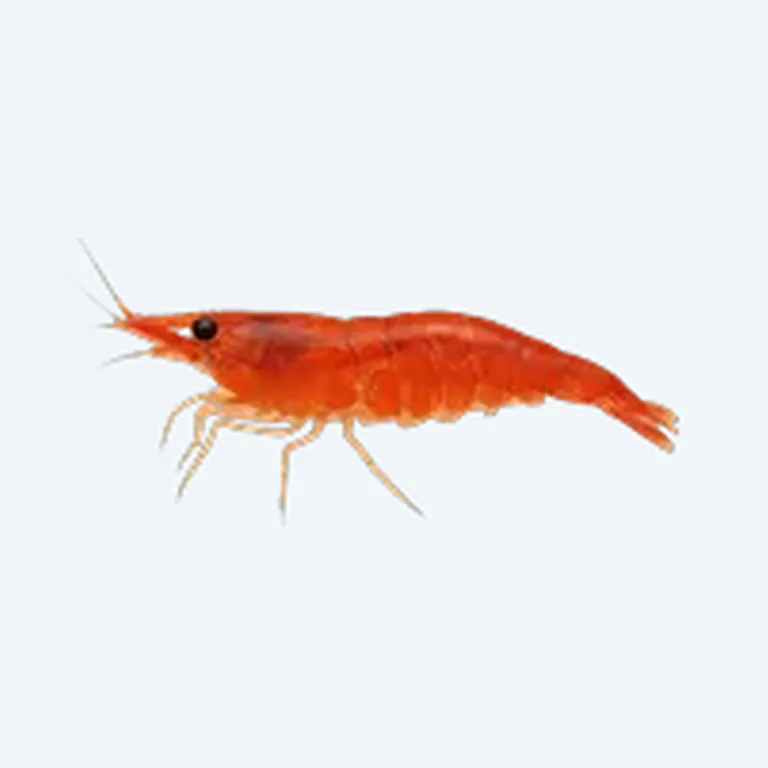
- Species: Neocaridina davidi - one of the most beginner-friendly invertebrates in the hobby.
- Tank size: 30 L (8 US gal) minimum, but 40-60 L gives a colony room to stabilise before numbers climb.
- Water: 18-28°C (64-82°F), pH 6.5-8.0, moderate hardness (GH 6-8, KH 2-5). They tolerate a range but crash when parameters swing.
- Copper kills them: trace amounts from tap pipes, fertilisers, or medications are lethal - check every label before you dose anything.
- They will breed: a stable colony doubles fast. Plan for population management from the start.
- Diet: biofilm and algae cover most of their needs - overfeeding is a bigger problem than underfeeding.
Why cherry shrimp deserve more than a footnote in your tank
Cherry shrimp get sold as tank cleaners and novelty colour, which undersells them. A healthy, well-fed colony of Neocaridina davidi is genuinely entertaining to watch - they graze constantly, carry eggs, squabble over food wafers, and slowly fill a planted tank with flashes of red. They also do real maintenance work, grazing algae off glass and hardscape and breaking down leaf litter.
They're beginner-rated for a reason: they tolerate a wide parameter range and recover from minor mistakes. But "easy" doesn't mean "bulletproof." Most cherry shrimp die not because their keeper ignored temperature or pH, but because something dosed into the tank - a fertiliser, a fish medication, a tap water treatment - contained copper. Get that one risk clear in your head and the rest is straightforward.
Tank setup
Size and filtration
30 L (8 US gal) is the workable minimum for a shrimp-only tank. The problem with going smaller isn't floor space - shrimp are tiny - it's water volume. Less water means parameters shift faster when something goes wrong, and a nano cube that gets too warm in summer or spikes ammonia after overfeeding has less buffer to correct itself. If you're planning a colony of 30+ shrimp, start at 40-60 L.
Use a sponge filter or cover any powerhead and filter intake with a pre-filter sponge. Cherry shrimp, especially juveniles under 1 cm, will get sucked into a bare canister intake. A mature sponge filter also grows biofilm - which shrimp graze directly from the surface. It's one of the few pieces of equipment that doubles as food.
Run your tank through a full nitrogen cycle before adding shrimp. They're more sensitive to ammonia and nitrite than most fish. If you're new to cycling, the guide on how to cycle a fish tank covers it from scratch.
Substrate and hardscape
Dark substrates - black sand, dark gravel, dark planted tank soil - make cherry shrimp colour pop. It's not just aesthetic: shrimp on light substrate tend to pale down over time as a stress response. Inert substrates work fine; active buffering soils (like ADA Amazonia) will pull pH down toward 6.5, which is the lower end of acceptable but not harmful.
Give them surfaces to graze. Java moss, cholla wood, dried Indian almond leaves, and any smooth-leaved plant like Anubias or Bucephalandra all accumulate the biofilm that shrimp spend most of their day eating. A bare tank with only gravel leaves them with very little to do between feedings.
Plants
Cherry shrimp and live plants are a natural pairing. Dense vegetation - especially moss - provides hiding spots that reduce stress, surfaces for biofilm, and cover for moulting shrimp (who are briefly vulnerable and need somewhere to hide). You don't need a high-tech planted setup. Low-light plants like Java fern, Anubias, and hornwort work well and ask little in return.
Some liquid plant fertilisers contain copper as a micronutrient. Even trace doses - well below what harms fish - can kill shrimp. If you're dosing ferts in a shrimp tank, look specifically for "shrimp-safe" formulations or check the ingredient list for copper sulphate.
Water parameters
Neocaridina davidi comes from Taiwan, where it lives in moderately hard, neutral-to-slightly-alkaline water. The hobby-wide range of pH 6.5-8.0 is real - these shrimp have been selectively bred across decades and are genuinely adaptable - but the edges of that range are not where they thrive. Aim for pH 7.0-7.6, GH 6-8 dGH, and KH 2-5 dKH. Stability inside that range matters more than hitting a perfect number.
Temperature tolerance is wide: 18-28°C (64-82°F). In practice, 22-25°C (72-77°F) is the sweet spot. Higher temperatures accelerate breeding but shorten individual lifespans and reduce dissolved oxygen - relevant if your colony is large and your tank is small. Many keepers run shrimp tanks on the cooler end of the range deliberately.
Nitrates should be kept below 20 ppm. They can survive higher, but egg survival and juvenile health suffer. Regular water changes matter - see the guide on how often to do water changes for practical schedules. Match the temperature and pH of replacement water carefully before adding it; a sudden shift during a water change is a common cause of failed moults.
Even 0.5 ppm ammonia will stress cherry shrimp and stall breeding. The tank must be fully cycled before they go in.
The copper problem - explained properly
Copper is the single biggest chemical risk to Neocaridina. It disrupts gill function in crustaceans at concentrations that fish handle without issue, and the lethal threshold is genuinely low - around 0.02-0.05 mg/L in soft water. Hard water offers some protection because calcium and magnesium compete with copper uptake, but don't rely on hardness as a safety net.
Where copper shows up in a shrimp tank:
- Tap water through old copper pipes. First-draw water from copper plumbing can carry a pulse of dissolved copper. Let the tap run for 30 seconds before filling a bucket, or use an aged water source.
- Fish medications. Many broad-spectrum treatments - particularly those marketed for ich, parasites, or bacterial infections - contain copper sulphate or similar compounds. The label will list it; read it. If you're treating a community tank, pull the shrimp into a separate container first.
- Plant fertilisers. As above. "Shrimp-safe" is not a regulated claim, but most reputable shrimp-keeping brands have genuinely reformulated to remove copper.
- Some fish foods. Certain colour-enhancing foods contain copper compounds. The levels are usually low enough to be harmless in practice, but worth knowing.
Copper paranoia in the shrimp hobby sometimes gets excessive - hobbyists refusing to use any product that lists copper anywhere on the label, including at concentrations where the risk is theoretical. The real-world danger is from direct dosing of copper-containing medications into a shrimp tank, and from heavily leaching old copper pipes. Normal tap water in most areas is fine with standard dechlorinator. Use common sense: check medications carefully, look at fertiliser labels, and you'll be fine.
Feeding
Cherry shrimp are omnivorous grazers. In a planted, established tank with biofilm and algae present, you can feed very lightly - three or four small feeds per week - and the colony will be healthy. In a new or bare tank, feed daily but in small amounts.
Good foods: blanched vegetables (zucchini, spinach, cucumber), commercial shrimp wafers or pellets, snowflake food (dried soybean husks that break down slowly without fouling water), and algae wafers. Protein isn't the focus of their diet - they'll get what they need from biofilm - but a small amount of protein once or twice a week (a tiny piece of blanched shrimp, a micro worm feeding) can support moulting.
Overfeeding is by far the most common shrimp-keeping error. Uneaten food rots, spikes ammonia, and clouds water. Cherry shrimp have small stomachs. If food isn't gone within two hours, you gave too much. Remove leftovers with a turkey baster or pipette rather than letting them decompose.
Moulting
Shrimp shed their exoskeleton to grow. You'll find empty white shells on the substrate periodically - this is normal, not a dead shrimp. Leave the moult in the tank; shrimp eat the shell to reclaim minerals, particularly calcium.
Failed moults - where the shrimp gets stuck partway - usually indicate a mineral deficiency (low GH) or a sudden parameter shift. If you're seeing multiple failed moults, test your GH and check whether you've changed anything about your water source or dosing routine. Adding a small piece of cuttlebone to the tank raises calcium and GH gently and is an easy preventative step.
Breeding
A stable, well-fed colony breeds without any intervention from you. The female carries green or yellow eggs under her tail (called "saddled" eggs before fertilisation, then she becomes "berried" once fertilised and fanning them). Gestation runs roughly 3-4 weeks at 22-24°C. Juveniles are born as miniature adults - no larval stage - and are immediately independent.
Starting with 10-15 shrimp is enough. Within six months in a stable tank, expect 50-100. Within a year, potentially several hundred. This isn't a problem until it is - at high densities, oxygen can become limiting in small tanks, and waste production climbs. Plan ahead by either expanding tank volume or rehoming surplus shrimp to a local club or aquarium store.
Colour grades - Cherry, Sakura, Fire Red, Painted Fire Red - reflect selective breeding for intensity of red. Higher-grade shrimp cost more and can fade over generations if you don't cull for colour. If you want to maintain grade, remove pale individuals before they breed.
Tank mates
Cherry shrimp are peaceful and slow. Almost any fish that can fit a juvenile shrimp in its mouth will eat one - and juveniles are very small. Safe tank mates in practice are fish that either can't fit adult shrimp in their mouths, or are genuinely uninterested in them: small rasboras (Boraras species), pygmy corydoras, otocinclus, and small livebearers with good plant cover. Avoid anything in the cichlid family, most gouramis larger than a honey gourami, and any fish sold as a "peaceful community fish" that hits 8 cm or more.
In a shrimp-only tank, you'll see natural behaviour and higher survival of juveniles. In a community tank, you'll have shrimp but the colony will stay smaller and you'll lose more young. Both are valid setups - it just depends on what you want. Check compatible combinations in the free stocking calculator.
If you keep cherry shrimp in a community tank, add dense floating plants or surface moss. Juvenile shrimp that make it to cover survive; ones out in the open don't. The more hiding space, the more juveniles reach adulthood.
Common health problems
Bacterial infections typically follow a stressful event - a bad water change, a spike in parameters, introduction of new shrimp without quarantine. Affected shrimp become lethargic, lose colour, or stop eating. Remove any obviously dying individuals quickly to protect water quality. Most bacterial issues resolve if you fix the underlying water quality problem; there are few reliable medications for shrimp that won't also harm them.
Vorticella (a parasitic protozoan) shows as white fuzzy patches on the body or head. It's treatable with salt baths or commercial anti-parasitic products, but check that any treatment is genuinely invertebrate-safe - most anti-parasite medications are not.
Scutariella japonica - tiny white worms occasionally visible on the shrimp's head or rostrum. Treat with a brief salt bath (1 tablespoon non-iodised salt per litre, 30-60 seconds). It looks alarming but responds well to treatment.
Track your parameters consistently - especially after any change to your water source, fertiliser routine, or tank stocking. If you're running multiple tanks, App-aquatic lets you log water tests and set care reminders per tank so parameter shifts don't go unnoticed.
Track your parameters and get care reminders with App-aquatic.
Get the free appHow many cherry shrimp should I start with?
Ten to fifteen is a good starting number. It gives you a healthy mix of males and females without overwhelming the tank before the colony establishes. They'll breed to fill the available space over the following months.
My cherry shrimp keep dying - what's wrong?
The most common causes are: an uncycled tank (ammonia or nitrite present), copper in the water from medications or fertilisers, or a sudden parameter shift during a water change. Test for ammonia, nitrite, and nitrate first. If those are fine, go through everything you've dosed into the tank in the past two weeks and check the ingredients for copper compounds.
Can cherry shrimp live with betta fish?
Sometimes, with conditions. A betta in a heavily planted tank with lots of moss and hiding spots may ignore adult cherry shrimp - particularly if well-fed. But individual bettas vary enormously, and juveniles will almost certainly get eaten. It's a gamble rather than a safe combination. If you try it, have a backup plan for the shrimp.
Why are my cherry shrimp not breeding?
The most likely reasons are: the tank isn't fully cycled or has elevated nitrates, the colony doesn't have both males and females, the water is too cool, or parameters are swinging during water changes. Keep nitrate below 20 ppm, hold the temperature around 22-25°C (72-77°F), and give them plenty of moss and hiding places. A newly added group can also take a few weeks to settle before the first berried females appear.