
Guide
Nerite snails: shell issues, what to look out for and potential causes
Shell erosion, pits, or cracks? Here's what to watch for and what might be causing it.
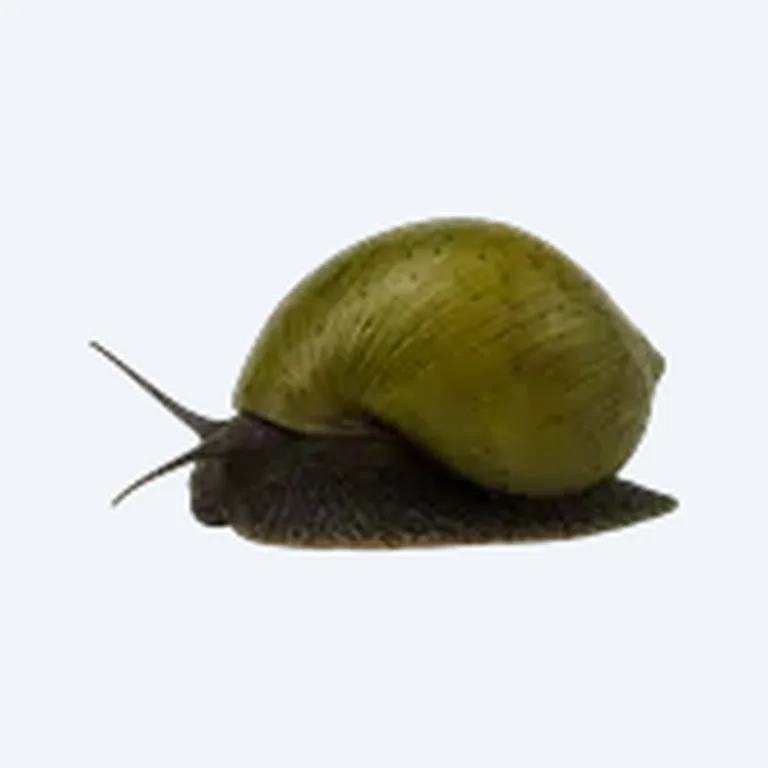
- Shell erosion, pitting, and white patches are the most common problems - usually caused by soft or acidic water slowly dissolving the shell over time.
- Target GH 8-12 dGH and KH 5-10 dKH with a pH of 7.2-8.2 to give nerites the mineral-rich water they need to maintain and repair shell.
- Calcium deficiency is a separate problem from water hardness - even snails in hard water can struggle if they're not getting enough calcium through food.
- Cracks that expose the soft body are serious; erosion and white patches without body exposure are manageable if you fix the cause promptly.
- A snail still moving, eating, and adhering to surfaces has a decent chance of recovery. One that's inactive with its body exposed does not.
- New shell growth at the aperture (the opening) will look noticeably healthier than older damaged sections - that's the clearest sign conditions have improved.
What healthy nerite shell looks like - and when to worry
A healthy nerite shell is smooth, has clear patterning, and feels solid. The outer layer - the periostracum - gives the shell its colour and protects the calcium carbonate underneath. When that outer layer starts degrading, you lose colour and sheen first, then the structure underneath follows.
The problems worth acting on fall into a few distinct categories:
Erosion and pitting
The shell looks dull, rough, or chalky. In worse cases it develops small pits or a cratered texture. This is almost always a water chemistry problem - the carbonate in the shell is literally dissolving in acidic or very soft water. It happens gradually, which is why people often miss it until the damage is significant.
White or pale patches
This one confuses people because it has two very different causes. White patches on older parts of the shell are often healed damage - the snail repaired a weak spot but the new material looks different. White patches that are actively spreading, especially with a soft or chalky texture, are usually fresh erosion. If you're not sure which you're dealing with, watch the area over two weeks. Stable old repair stays put; active erosion spreads.
Cracks and chips
These are typically physical damage - a fall from the glass, being trapped in equipment, or a too-aggressive tankmate. A hairline crack on a thick part of the shell is less urgent than a chip near the aperture that exposes the mantle. The mantle is the soft tissue the snail uses to build and repair shell; damage there compromises its ability to recover.
Holes
Actual holes through the shell are the endpoint of prolonged erosion or the result of serious injury. A snail with a hole in its shell can survive if the body isn't exposed and conditions improve - but don't underestimate how compromised it is. Infection risk goes up significantly.
A snail that's no longer sticking to surfaces and won't retract fully into its shell when disturbed is in serious trouble regardless of what the shell looks like. Shell condition and snail condition are related but separate things to assess.
The main cause: water chemistry
Soft, acidic water is responsible for the majority of nerite shell problems in home aquaria. Nerites are originally from coastal and riverine environments with substantial mineral content - they are not adapted to soft water, and keeping them in it long-term will degrade their shells even if everything else is perfect.
The chemistry matters in two ways. pH affects how corrosive the water is to calcium carbonate - below pH 7.0 the shell actively dissolves. KH (carbonate hardness) buffers against pH swings and provides the carbonate ions the snail uses to build shell. GH (general hardness) supplies calcium and magnesium. You need both in reasonable supply, not just one.
Target ranges for nerites:
- pH: 7.2-8.2
- KH: 5-10 dKH (89-178 ppm)
- GH: 8-12 dGH (143-214 ppm)
- Temperature: 22-26°C (72-79°F)
If your tap water is naturally soft - common in many parts of the UK, Scandinavia, and the US Pacific Northwest - you'll need to actively raise hardness. Options include crushed coral or aragonite substrate, a bag of crushed coral in the filter, limestone rock in the tank, or a commercial remineralising product. Go slowly. Raising GH and KH by 2-3 units per day is the upper limit to avoid stressing fish. Check your aquarium water parameters guide for how to test and interpret these numbers.
Most people only test pH and ammonia, then wonder why their snails are deteriorating. pH alone doesn't tell you about GH or KH. A tank can have a stable pH of 7.4 and still have near-zero carbonate hardness - which will erode shells just as surely as acid water will. Test all three.
Below this point, shell degradation accelerates rapidly - even brief dips matter in tanks with low KH buffering.
The second cause: dietary calcium
Water chemistry and dietary calcium are related but not the same thing. A snail absorbs minerals both from the water and from what it eats. In heavily planted, mature tanks with good algae and biofilm growth, nerites usually find enough. In clean, new, or brightly lit tanks without much algae, they may not.
The most practical calcium supplements for nerites:
- Cuttlebone: Remove the hard brown backing, rinse the soft white part, and let it sink or wedge it somewhere in the tank. It releases calcium slowly and naturally. Replace when it's mostly gone.
- Blanched vegetables: Kale, spinach, and courgette (zucchini) all have reasonable calcium content. Blanch briefly to soften, weigh down with a fork or clip, remove after 24 hours.
- Commercial snail foods: Products marketed for snails or shrimp often include calcium. Check the label - you want calcium listed as an ingredient, not just a trace mineral.
- Snello: A homemade gel food popular in the snail-keeping community, typically made with gelatine or agar, blended vegetables, and added calcium powder. Recipes vary but it's worth looking into if you keep multiple snails.
Cuttlebone is the easiest starting point. One piece lasts weeks, the snails can graze it directly, and it won't cause parameter spikes in a tank that already has decent KH. If your water is very soft, address that first - cuttlebone alone won't compensate for acidic water dissolving shell faster than calcium can repair it.
Physical damage: what causes it and how to prevent it
Not every shell problem is chemistry. Nerites fall off the glass regularly - it's normal behaviour - but repeated falls onto hard substrate, being sucked against a filter intake, or being harassed by tankmates can chip and crack shells that would otherwise be fine.
A few things to check:
- Filter intakes: Nerite snails are small enough to get partially pulled against uncovered intakes. A pre-filter sponge over the intake solves this cheaply and also protects other small invertebrates.
- Tankmates: Most peaceful community fish leave nerites alone, but pufferfish will eat them, and large cichlids sometimes harass or bite them. Loaches - especially clown loaches (Chromobotia macracanthus) and yoyo loaches (Botia almorhae) - are notorious for eating snails and shouldn't be kept with nerites you care about.
- Substrate: Hard, angular gravel gives snails a worse landing than fine sand or smooth substrate when they drop. You can't pad the whole tank, but it's worth knowing.
- Handling: If you need to move a nerite, don't pull it off the glass forcefully. Let it release on its own or ease it off gently - forcing it tears the foot muscle and can cause internal damage that's invisible from outside.
Some shell damage is cosmetic and the snail is completely fine. Nerites sold in fish shops often already have erosion or old repair patches from being kept in soft water during shipping and holding. That's not your fault and in many cases it won't get worse if your tank conditions are good. Judge the snail by its behaviour, not just its shell.
What you can actually do when you spot a problem
The response depends on what you're looking at:
Erosion or white patches, snail still active
Test your water - specifically GH, KH, and pH. If any are out of range, address them gradually. Add a calcium source. Give it three to four weeks and watch whether the damage is stabilising or spreading, and whether new growth at the aperture looks healthier. This is the best-case scenario and most nerites recover well from it.
Cracks or chips without body exposure
Same approach as above, but keep an eye on the damaged area. Nerites can repair cracks if water chemistry is right - the repair often looks pale and rough compared to the original shell, but it's structurally functional. Don't try to seal the crack yourself with anything; aquarium-safe epoxy might seem logical but the snail needs to be able to deposit new shell material from the inside.
Holes or exposed soft tissue
Raise water quality, reduce stress, add calcium. Beyond that, there's limited intervention you can do. Some snails survive significant shell damage if the mantle is intact and conditions are good. If the snail becomes inactive, stops eating, and won't adhere to surfaces, it's unlikely to recover. Keep water change frequency consistent to avoid any additional ammonia or nitrite stress on an already-compromised animal.
Don't raise GH and KH rapidly to try to speed recovery. Sudden hardness increases stress fish and can cause as many problems as they solve. Slow and steady - 2-3 dGH or dKH per day maximum - is the right pace even when you're worried about a snail.
What most guides miss: pre-existing damage and where it came from
A significant proportion of nerite shell problems originate before the snail reaches your tank. Wild-caught nerites (and most sold in shops are wild-caught, particularly Neritina natalensis, the zebra nerite) travel through export facilities and wholesale holding tanks that often have inconsistent water quality. By the time a snail reaches a retailer's tank, it may already have months of suboptimal conditions behind it.
This matters because it means you might do everything right and still have a snail with visible erosion. The test is whether the damage is progressing. If the existing patches are stable and new shell at the aperture looks clean and properly coloured, your tank is doing its job. If erosion is still spreading after four to six weeks of corrected conditions, revisit your water chemistry - test again, and consider whether your KH is buffering pH swings overnight (plants and CO2 injection can drive significant nighttime pH drops even in a tank that reads fine at water change time).
If you're tracking parameters regularly, App-aquatic's test log makes it easy to spot trends - a gradual KH drift downward, for instance, that you might miss checking monthly but catches quickly when you log weekly.
Track your parameters and get care reminders with App-aquatic.
Get the free appCan a nerite snail survive with a cracked or damaged shell?
Often yes, depending on severity. A snail with a cracked shell that isn't exposing the soft body, and which is still moving and eating, can repair the damage if water chemistry is right - good KH, GH, and a calcium source. The repair won't look pretty, but it's functional. A snail with exposed soft tissue and declining activity has a much worse prognosis.
Why does my nerite's shell have white spots? Is it a disease?
Almost certainly not a disease. White spots on nerite shells are nearly always either old healed damage (where the snail repaired an erosion patch) or fresh erosion exposing the calcium carbonate layer beneath the outer periostracum. Neither is contagious. Address water chemistry - particularly KH and pH - and add a calcium source. If the spots are fluffy or fuzzy rather than flat and chalky, that could indicate a fungal issue, which is rare but worth watching.
How do I raise calcium for snails without affecting my fish?
Cuttlebone is the gentlest option - it dissolves slowly and the effect on GH is gradual. Crushed coral in a filter bag raises KH and GH steadily without spiking parameters. Both are safe for most freshwater fish at the doses needed for snails. Avoid adding large amounts of calcium chloride or calcium carbonate powder directly to the water column - that's where you risk sudden swings. Most tropical community fish actually benefit from the slightly harder water nerites prefer.
My water parameters look fine but my nerite's shell is still eroding - why?
A few possibilities. First, check when you're testing - if you have live plants or inject CO2, pH drops overnight and may be significantly lower than your daytime reading. A pH of 7.6 at 6pm can be 6.8 at 6am in a heavily planted tank. Second, check the actual numbers for GH and KH, not just pH - a pH of 7.4 with near-zero KH is still problematic. Third, the damage may be pre-existing from before the snail reached your tank; give it six weeks with corrected conditions before assuming there's an ongoing problem.
Do nerite snails regenerate shell?
Yes, within limits. Nerites can deposit new shell material at the aperture (the opening) and repair cracks and erosion from the inside using the mantle tissue. They cannot regrow sections of shell that are completely missing - a hole stays a hole, though they may seal the edges. New growth looks noticeably smoother and often paler than the original patterned shell, which is normal. You'll see this most clearly at the aperture, where a band of clean new shell forms once KH, GH, and calcium levels are corrected.
More guides · Assassins with nerites · Snail health · Mystery snails · Cleanup crew · Get the app