
Guide
Snail health: what are the key things to look out for with snails?
Shell, activity, food, and water - the main things that keep snails healthy (and when to worry).
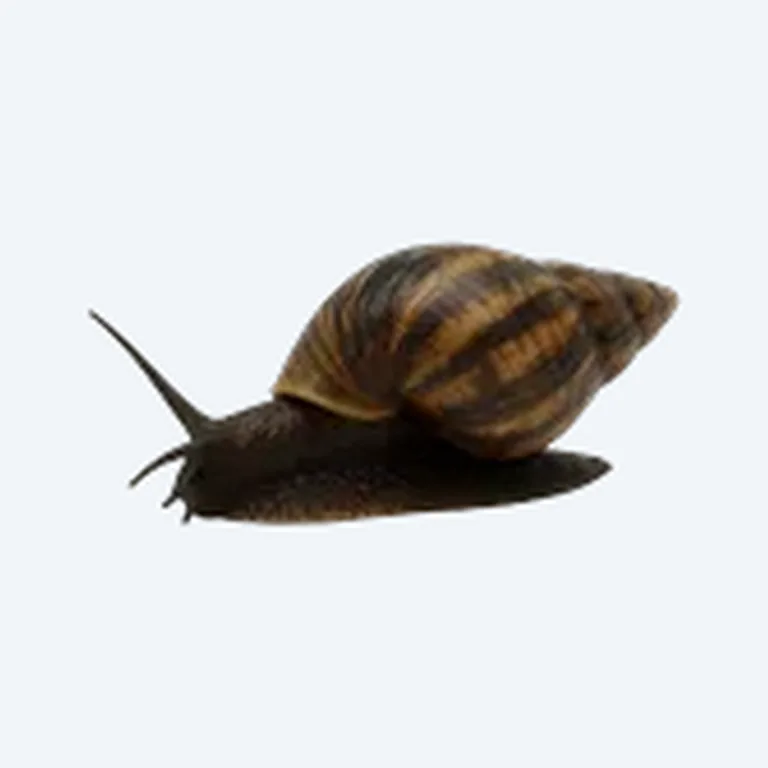
- Shell condition is your first indicator: pitting, white patches, or thinning means your water is too soft or acidic, or your snail isn't getting enough calcium.
- Inactivity isn't always a problem: snails rest for hours or even days. A snail that never moves over 48-72 hours, won't retract when touched, or smells bad is a different matter.
- Copper kills snails: even trace amounts. Check every medication, plant fertiliser, and tap water additive before it goes in the tank.
- Very clean tanks can starve snails: if there's no algae or biofilm, you need to actively feed them - blanched courgette, algae wafers, or cuttlebone.
- Multiple sudden deaths point to water quality or poisoning: test ammonia, nitrite, and nitrate immediately, and check for copper or invert-unsafe medications.
- GH and KH matter as much as pH: aim for GH above 8 dGH and KH above 4 dKH for shell-building species like mystery snails and nerites.
Shell condition
The shell tells you almost everything about how a snail has been living. A healthy shell is solid, smooth, and consistent in colour for the species - no holes, no deep pits, no chalky white patches eating through the surface.
When you see erosion, it's almost always one of two things: water that's too soft or too acidic, or a diet with no calcium source. Snails constantly repair and extend their shells, and they need dissolved minerals to do it. If those minerals aren't available in the water or the food, the shell degrades. A pH below 6.8 actively dissolves calcium carbonate, which is what the shell is made of. Pair that with very soft water - say, GH under 4 dGH - and you'll see shells deteriorate noticeably within weeks.
The fix is usually straightforward: raise GH by adding crushed coral, aragonite, or cuttlebone directly to the tank. Crushed coral in a mesh bag in your filter is a low-maintenance option that buffers both GH and KH simultaneously. Cuttlebone floats at first but sinks eventually and provides a surface snails will actively graze on. Check your aquarium water parameters - if you're running soft, acidic water for tetras or discus, shell-bearing snails will struggle long-term in that setup.
If a shell is cracked or chipped and the snail's body is exposed, keep the water exceptionally clean and remove any tankmates that might pick at the wound. Snails can survive significant shell damage if infections are avoided, and minor cracks often heal over time as the snail deposits new shell material. A deep crack reaching soft tissue is more serious - there's no surgical fix, but clean water and good nutrition give the snail the best chance.
Drop a piece of cuttlebone in the tank. It costs almost nothing, provides calcium passively, and snails will graze on it directly when they need it. Replace it every few weeks as it dissolves.
Reading snail behaviour
Snails are not fish. They don't follow the same activity patterns, and a lot of keepers panic unnecessarily when a snail sits completely still for half a day. That's normal. What's not normal is a snail that hasn't moved at all for two or three days, especially in a tank where conditions are right.
Signs of a healthy, resting snail
A resting snail will be retracted into its shell or sitting still with its body partially visible. If you gently touch it, it will react - pulling back slightly or showing some response. Mystery snails (Pomacea bridgesii) sometimes float at the surface; this looks alarming but is often just the snail releasing air from its lung to adjust buoyancy. If it eventually sinks and starts grazing, it's fine.
Signs of a snail in trouble
A snail lying on its back that can't right itself after several hours is struggling - try carefully placing it on a surface it can grip. A snail with a foul smell when you lift it out of the water is almost certainly dead; remove it immediately, because a decomposing snail can spike ammonia in a small tank fast. A snail that hangs limply out of its shell without retracting when touched is dead or very close to it.
If one snail dies, it might just be age or a pre-existing condition - many snails sold in stores are already stressed. If several die in a short window, that's a water quality event or a poisoning. Test immediately for ammonia and nitrite, and check your nitrogen cycle is still running properly. Then look hard at anything that went into the tank recently.
The "smell test" is the most reliable way to tell if a snail is dead. A healthy resting snail has no smell. A dead one will be unmistakable. Don't leave a dead snail in the tank while you wait to see if it recovers - it won't, and the ammonia spike will stress everything else.
Feeding snails properly
Most snails are sold on the premise that they'll "clean up the tank." That's partially true - nerites (Neritina spp.), ramshorns, and Malaysian trumpet snails graze constantly on algae, biofilm, and decaying plant matter. In an established tank with a decent algae film, they largely feed themselves.
The problem is that many people run very clean, well-lit tanks with minimal algae. In those setups, snails can slowly starve. You'll see it first in shell quality - the snail starts mining its own shell for calcium when dietary intake drops.
Supplement with:
- Blanched vegetables: courgette (zucchini), cucumber, spinach, kale. Blanching softens the cell walls so snails can rasp through them more easily. Remove after 24 hours.
- Algae wafers: drop one in at lights-out. If the fish eat it before the snails reach it, place it somewhere snails congregate - under a rock, near the filter intake.
- Cuttlebone: provides calcium as well as something to graze on.
- Commercial snail foods: products like Hikari Crab Cuisine or snail-specific pellets work well for larger snails like mystery snails or giant sulawesi snails.
Don't overfeed the tank trying to keep snails fed. Excess food decomposes and raises ammonia and nitrate - the opposite of what snails need. A targeted small piece of vegetable twice a week is more effective than scattering food broadly.
Assuming snails will always find enough food in a community tank. In a clean, low-algae setup with hungry fish, snails often lose out entirely. If your snails' shells are thinning or pitting and your water chemistry is fine, feed them directly.
Water quality and what actually matters
Snails are often described as "hardy," and they are - up to a point. They're more tolerant of fluctuating parameters than many fish, but they're not indestructible, and there are specific things that kill them quickly.
Ammonia and nitrite
These should be zero. Snails can tolerate low-level nitrate (under 20 ppm is reasonable to aim for), but chronic ammonia or nitrite exposure damages their soft tissue and suppresses their immune function. If you're still cycling a tank, don't add snails yet - wait until the cycle is complete. Read the guide on how to cycle a fish tank if you're not sure where you are in that process.
Hardness and pH
For shell-building snails, aim for: pH 7.0-7.8, GH 8-15 dGH, KH 4-8 dKH. These aren't exact requirements - snails aren't that fussy about precise numbers - but soft, acidic conditions sustained over weeks will erode shells. How often you do water changes directly affects how stable these values stay.
Temperature
Most common aquarium snails tolerate 18-28°C (64-82°F). Mystery snails do best at 20-26°C (68-79°F). Nerites are adaptable across that range. Temperatures above 28°C accelerate metabolism and oxygen demand; below 18°C snails become sluggish and may go dormant, which is fine in a species tank but can be mistaken for illness in a community setup.
Copper - the main killer
Copper is toxic to all invertebrates at concentrations that are safe for fish. It doesn't take much. Many common aquarium medications - ich treatments, general tonics, some plant fertilisers - contain copper sulfate or chelated copper. Always read the label before dosing any tank that has snails, shrimp, or other invertebrates. If you need to treat fish with a copper-based medication, move the fish to a separate quarantine tank rather than dosing the display tank.
Tap water in some areas also contains copper from old pipework. If you're in an older building and snails keep dying without obvious cause, it's worth testing your tap water for copper specifically.
The aquarium trade sells snails as maintenance tools - algae eaters, substrate turners, cleanup crew. That framing sets keepers up to neglect them. They're animals with specific needs. A nerite will outlive most fish in your tank (5-7 years is achievable) if water chemistry is right. Treat them like livestock, not equipment.
Species-specific notes
The core health principles above apply to all freshwater snails, but a few common species have quirks worth knowing.
Mystery snails (Pomacea bridgesii)
Large, visible, and popular. Their size makes shell erosion very obvious - you'll see it as a pale, rough area usually at the apex (the pointed top). They have a lung as well as a gill, so they breathe air periodically; don't be alarmed by surface visits. They're also the most likely to go on "vacation" - sealing themselves in their shell with a calcareous trapdoor (operculum) and sitting still for days. This is usually a response to poor water quality, stress, or temperature drops. Improve conditions and wait; they usually come back out.
Nerite snails (Neritina spp.)
Excellent algae grazers that won't breed in freshwater (eggs are laid but won't hatch without brackish conditions - a meaningful advantage if you don't want a snail explosion). They're prone to escaping - keep a tight lid. Shell erosion in nerites is common and often severe in soft water; their shell pattern is a useful early indicator of water quality issues.
Malaysian trumpet snails (Melanoides tuberculata)
Mostly nocturnal and substrate-dwelling. You often won't see them during the day. A sudden appearance of dozens on the glass in the middle of the day can indicate low oxygen in the substrate - usually caused by compacted, unturned substrate. Ironically their burrowing prevents this, so a healthy population regulates itself. Don't mass-dose medication to eliminate them; address the root cause instead.
Ramshorn snails (Planorbarius corneus and related species)
Prolific breeders. A handful becomes a colony fast if there's excess food. The population naturally crashes when food is limited; this boom-bust cycle is often misread as disease. Shell colour varies from dark to translucent pink depending on diet and genetics - that's normal, not a health indicator.
Log your GH, KH, and pH alongside your usual water tests. Shell erosion is a slow process and easy to miss week-to-week. Seeing the trend in your test history - gradual softening after a filter clean, for example - is much easier than trying to recall conditions from memory. App-aquatic's parameter log is useful for exactly this.
What most guides miss
Most snail care articles stop at "keep water clean and avoid copper." Here's what gets less attention:
Iodine deficiency. In freshwater this is rarely an issue for common snails, but if you're keeping more specialist species like rabbit snails (Tylomelania spp.), trace mineral deficiencies can affect shell formation and overall health. A quality mineral supplement designed for invertebrates addresses this without the copper risk of all-in-one fertilisers.
Tankmate selection matters more than people admit. Pea puffers, certain cichlids, and large goldfish will eat snails - either outright or by picking at the foot until the snail can't retract. Loaches (particularly Botia species) are notorious snail predators. If you want snails for aesthetic or cleanup purposes, check the compatibility of your other fish first.
New snail mortality is common and often store-related. Snails in retailer tanks are frequently exposed to medications, copper, variable salinity, and significant temperature swings. A snail that dies within a week of purchase may have already been compromised before it reached you. Acclimate slowly (30 minutes floating plus gradual water mixing) and don't draw conclusions about your tank from first-week losses alone.
Overcrowding degrades water faster. Snails produce waste. In a heavily stocked tank with many snails, ammonia contribution is real - particularly from larger species like mystery snails. Factor snails into your stocking decisions; the stocking calculator can help you think through bioload.
Track your parameters and get care reminders with App-aquatic.
Get the free appMy snail hasn't moved in two days - is it dead?
Lift it out of the water and smell it. A healthy resting snail has no smell. A dead one will smell strongly of decay within a day or two. You can also try placing it on a rough surface - a living snail will usually grip and start moving within a few minutes of being disturbed. If it's still completely limp with no retraction response and smells bad, remove it immediately.
Why is my mystery snail's shell turning white?
White patches or a rough, eroded apex almost always mean calcium deficiency - either from soft, acidic water or a lack of calcium in the diet. Test your GH and KH. If GH is below 6-8 dGH, add crushed coral or cuttlebone. The existing damage won't reverse, but new shell growth will be healthier once conditions improve.
More guides · Snail health · Mystery snails · Cleanup crew · Get the app