
Compatibility
Can Betta Fish Live With Neon Tetras?
Last updated: May 2026
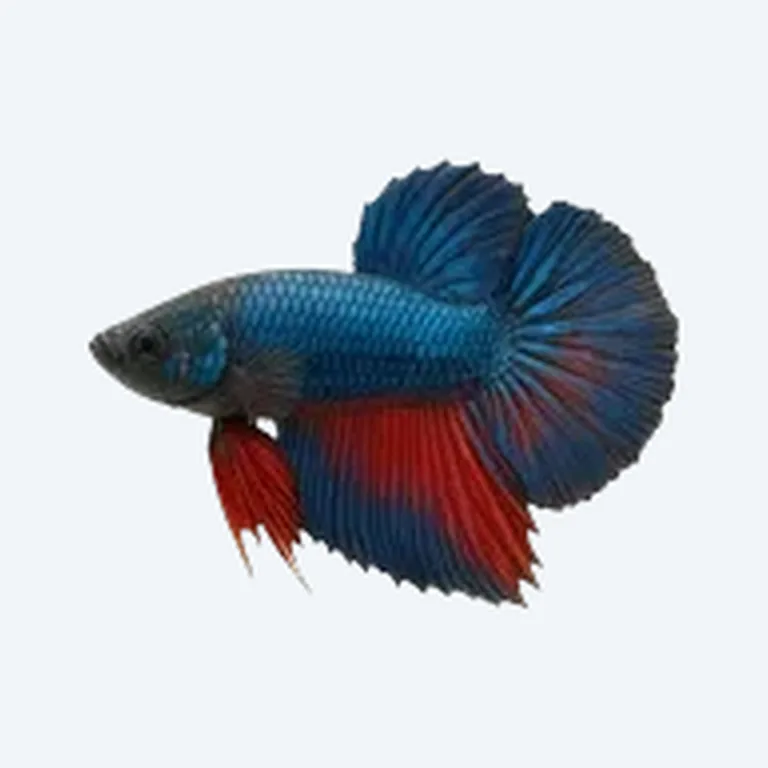
- Possible, not guaranteed: Bettas and neon tetras can coexist, but success depends on your individual betta's temperament, tank size, and how the tank is set up - not just species compatibility charts.
- Minimum tank size: 80 litres (21 US gallons) with a long footprint. Anything smaller concentrates aggression and removes the neons' escape room.
- Neon school size matters: Keep at least 8-10 neons. A group that small looks like a swarm to the betta and gives individuals cover so no single fish gets fixated on.
- Shared water parameters: Both species overlap well - 24-26 °C (75-79 °F), pH 6.5-7.0, soft to moderately hard water. Parameters aren't the problem; personality is.
- Watch the first 48-72 hours closely: Sustained chasing, fin-nipping in either direction, or a betta that won't eat are all signs this pairing won't work in your tank.
- Have a backup plan: Before you buy neons, know where the betta will go if it doesn't work out. A spare tank, a divider, or a return policy are not optional extras.
Checking Betta (Male) against Neon Tetra? Our fish compatibility checker compares any two of 815 species on water parameters, predation risk, fin nipping, temperament and tank size - and draws them both at life size so you can see the difference.
Why this pairing is debated
Ask ten experienced fishkeepers whether bettas and neon tetras can share a tank and you'll get roughly five yeses, three maybes, and two firm nos - all based on real experience. That spread tells you something useful: this isn't a straightforward compatibility question with one correct answer.
The species-level overlap is genuinely good. Both bettas (Betta splendens) and neon tetras (Paracheirodon innesi) come from warm, soft, slightly acidic Southeast Asian and South American waters respectively, and their captive care requirements land in almost the same range. That's the easy part. The hard part is that bettas are territorial, individually variable, and were selectively bred for aggression. Some are docile enough to ignore a school of neons entirely. Others will shred fins within an hour. You cannot know which you have until you try.
Most guides either oversell this as a "great community combination" or dismiss it entirely. The honest position is somewhere in between: it works often enough to be worth attempting if you set the tank up correctly and manage the introduction properly - but it fails often enough that you need to be genuinely prepared for that outcome.
Water parameters: the easy part
The overlap in care requirements is real and it's one of the reasons this pairing gets recommended as often as it does.
Bettas thrive at 24-28 °C (75-82 °F). Neon tetras do best at 22-26 °C (72-79 °F). The overlap zone - roughly 24-26 °C (75-79 °F) - works for both, though you're compromising slightly for each. Bettas tolerate cooler water less well than people assume, and neons start struggling above 27 °C. Set your heater to 25 °C (77 °F) and you're in a sensible middle ground.
pH-wise, both species prefer slightly acidic to neutral conditions. A pH of 6.5-7.0 suits both comfortably. If your tap water runs alkaline (above 7.5), you'll want to address that before stocking either species - not because it's immediately lethal, but because chronic mild stress suppresses immune function and makes fish more vulnerable to disease. See our guide to aquarium water parameters for how to read and adjust these reliably.
One genuine difference: bettas are surface-oriented labyrinth fish that breathe atmospheric air. Neon tetras are mid-water schoolers. They rarely compete for the same physical space in a well-set-up tank, which helps.
If your tap water is very hard (above 15 °dGH), consider mixing it with RO or rain water to soften it. Both bettas and neons do better in soft to moderately hard conditions, and neons in particular are more disease-resistant in softer water.
Tank setup: this is where most people get it wrong
The most common failure point isn't the species - it's the tank. People attempt this pairing in a 40-litre cube or a 60-litre tank with open water and a couple of plastic plants, then blame the betta when it doesn't work. The setup determines whether conflict stays manageable or escalates.
Size and footprint
Eighty litres (21 US gallons) is the practical minimum, and footprint matters more than volume. A long, shallow tank - something like 90 cm × 35 cm (36" × 14") - gives both species horizontal territory. Tall tanks sound impressive on paper but they don't give a betta meaningful horizontal range to patrol, and neons spend most of their time mid-water anyway.
Below this, the betta cannot establish a territory that doesn't overlap constantly with the neons' schooling route.
Planting and sight-line breaking
Dense planting is not decorative - it's functional. You need visual breaks so the betta cannot see the entire tank from any single position. A betta that can patrol the full length of a tank without obstruction will. Plants like Vallisneria, Hygrophila, and floating Salvinia or frogbit are all useful. Driftwood and taller hardscape create mid-tank breaks. The neons need areas where they can school without being in the betta's direct sightline for extended periods.
Aim for roughly 60-70% of the tank planted or covered, leaving open swimming space in the centre and at the surface where the betta will spend most of its time.
Filtration and flow
Bettas dislike heavy surface agitation - they're from slow-moving water and a strong current stresses them. Neons aren't particularly demanding about flow either. Use a sponge filter or a hang-on-back with a deflector to keep surface movement gentle. This also matters for the betta's ability to reach the surface to breathe comfortably.
Using a small, bare, or lightly planted tank and expecting behavioural compatibility to do the work. Territory, plant cover, and tank length are what give this pairing a realistic chance - not just choosing "compatible" species.
The betta personality problem
Individual betta temperament varies more than most fishkeepers appreciate, and it's not random. Betta lineage plays a role: fish from breeders who select for colour and finnage over generations of inbreeding can carry elevated stress reactivity. Wild-type bettas and certain short-finned varieties (halfmoons and plakats selected for health over show) often - not always - show more predictable temperaments.
Long-finned show bettas carry an additional risk: neon tetras are fin-nippers. Not reliably, not always, but a flowing doubletail or halfmoon betta with dramatic finnage is genuinely more vulnerable to nip damage, which causes stress, infection risk, and sometimes retaliatory aggression from the betta.
If you want to try this pairing, a shorter-finned betta (plakat or delta) reduces the fin-nipping risk from the neons. It won't eliminate it, but it helps.
Some bettas are just not community fish. If yours spends its time flaring at every tank reflection, hunting snails obsessively, or attacking plants - that's a betta that probably shouldn't share a tank with anything. No setup fixes a genuinely aggressive individual.
Introducing them: order and method
How you introduce the fish matters as much as any other variable. Get this sequence wrong and you're engineering a conflict.
Add the neons first. Let them establish themselves in the tank for two to four weeks before adding the betta. A betta added to an established group of neons is less likely to treat them as intruders in "its" territory. The reverse - adding neons to a betta's established tank - frequently ends in immediate aggression because the betta already considers the whole tank its space.
When you do add the betta, float the bag to temperature-match for 20 minutes, then release. Don't rearrange the tank heavily right before adding the betta - you'll stress the neons unnecessarily and any hiding spots you've arranged will be disrupted.
Watch for the first hour closely. Some chasing is normal as the betta investigates. Sustained pursuit - the betta following individual neons repeatedly across the tank - is a warning sign. If you're seeing that after two hours, it's unlikely to settle down on its own.
Feeding
Feed the betta at the surface at one end of the tank, and drop sinking pellets or micro-granules for the neons at the other end simultaneously. Bettas eat slowly and deliberately. Neons are faster and will compete at the surface if not redirected. Separate feeding zones prevent the betta from stress-eating or being outcompeted - and prevent neons from picking at the betta's floating food in a way that the betta reads as a territorial threat.
Neon tetra disease (Pleistophora hyphessobryconis) is a real concern in neons and has no reliable treatment. Buy neons from reputable suppliers, quarantine new fish for two weeks before adding them to any established tank, and don't mix neons from different batches without quarantine. A sick neon in a community tank spreads quickly.
When it's not working: recognising failure early
The 48-72-hour window is real. Most bettas that are going to settle down with neons show clear reduction in interest within the first two days. If you're still seeing sustained chasing, hiding neons that won't school, or a betta that has lost interest in food after 48 hours, the pairing is not going to work in this tank.
Signs the betta is the problem: persistent fin-nipping at neons, chasing individuals into corners, hovering near the neon school rather than patrolling its own territory.
Signs the neons are the problem: nipping the betta's fins (check the betta's finnage for small ragged tears), crowding the betta's surface area, outcompeting it for food.
Have your separation plan ready before day one. A tank divider buys time. A spare tank is the proper solution. Returning fish to the store is a legitimate outcome - not a failure.
What else to consider before stocking
Before buying either species, make sure your tank is properly cycled. An uncycled tank will accumulate ammonia fast with any stocking level, and the stress of poor water quality will amplify any aggression issues exponentially. If you're not sure what cycling means, read our guide on how to cycle a fish tank before you purchase anything.
Regular water changes matter too - neon tetras are sensitive to nitrate accumulation. Weekly 20-30% changes in a well-stocked tank keep conditions stable. Check our water change frequency guide if you're unsure of the right schedule for your setup.
If you want to track parameters, log test results, and get reminders for water changes and feeding across multiple tanks, App-aquatic handles all of that in one place. Useful if you're managing more than one setup or just want a record of how your water chemistry trends over time.
And if this is your first tank, it's worth reading through the best fish for beginners guide first - not because bettas and neons aren't manageable, but because first-tank mistakes with cycling and parameters make any community pairing harder to pull off.
Fewer than 6 neons means each individual fish carries more stress from schooling instinct suppression - and a tighter group is actually harder for a betta to target effectively.
The honest summary
Bettas and neon tetras share compatible water parameters, occupy different tank levels, and can genuinely coexist in a well-set-up tank. The pairing works more often than it fails when you use a tank of at least 80 litres, plant it densely, add the neons first, choose a shorter-finned betta, and watch closely in the first three days.
It fails when people try it in a small tank, with minimal cover, in the wrong introduction order, or with a betta that's simply an aggressive individual. None of those failures are the species' fault - they're setup and management failures.
Go in with realistic expectations, a backup plan, and the patience to observe before intervening. If it works, it's a genuinely attractive tank. If it doesn't, rehome one party quickly rather than hoping things improve - extended stress harms both species.
Track your parameters and get care reminders with App-aquatic.
Get the free appCan I keep a betta with neon tetras in a 40-litre tank?
No. Forty litres is too small to give the betta adequate territory while leaving the neons room to school and escape. You'll almost certainly see chronic aggression or stress in one or both species. The practical minimum is 80 litres with a long footprint.
My betta keeps chasing the neons - will it stop on its own?
Sometimes, but not reliably. Light investigation for the first hour or two is normal. If sustained chasing continues past 48 hours, it's unlikely to improve on its own. Separate the fish before stress compromises their health and use a divider or spare tank while you decide on a longer-term solution.
Are female bettas safer to keep with neon tetras than males?
Generally yes. Female bettas are typically less aggressive than males and don't carry the same extreme finnage that triggers fin-nipping. A female betta sorority is a different setup entirely, but a single female betta with a neon school has a somewhat better success rate than a male. Individual temperament still varies - the same rules about tank size and observation apply.
How many neon tetras should I keep with a betta?
A minimum of 8, ideally 10-12. Below 6, individual neons show elevated stress from insufficient schooling, and a small, scattered group is actually easier for a betta to target. A larger, tighter school moves in a more cohesive way that bettas tend to find less interesting to chase. Give that school plenty of planting and a tank of at least 80 litres (21 US gallons) so the neons can stay out of the betta's sightline.