
Compatibility
Can Betta Fish Live With Shrimp?
Last updated: May 2026
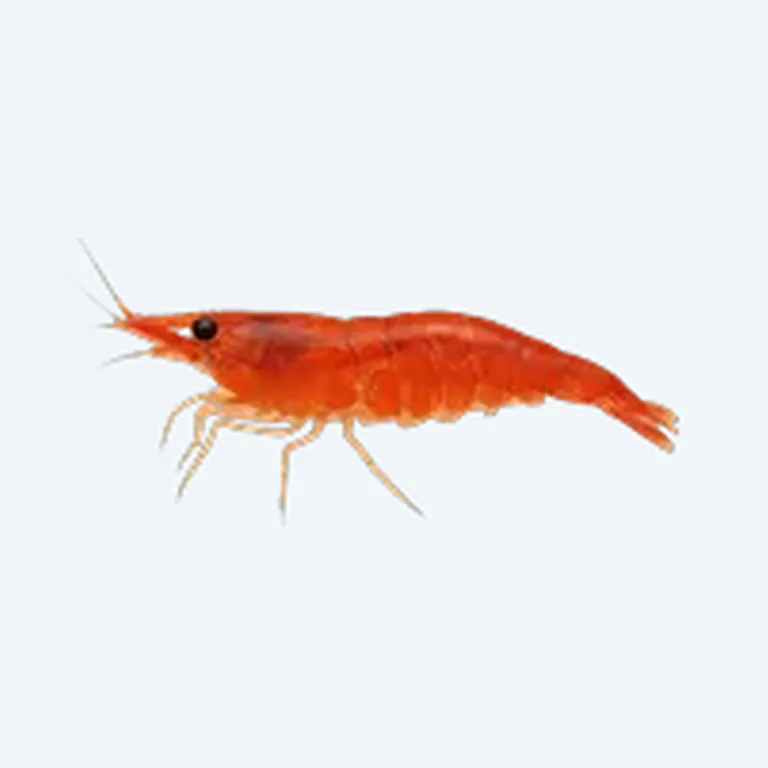
- It depends on the betta: Some individuals ignore shrimp completely; others will hunt them relentlessly. There is no guaranteed outcome, and individual temperament overrides every general rule.
- Cherry shrimp are higher risk: Their red colouration triggers a predatory response in many bettas. Expect losses, especially at first.
- Amano shrimp improve the odds: Larger size (up to 5 cm / 2 in) makes them harder to swallow, but they are not betta-proof.
- Tank size matters: A minimum of 60 litres (15 US gallons) gives shrimp enough territory to stay out of the betta's core space.
- Dense planting is non-negotiable: Java moss, floating plants, and hardscape tunnels are not decorative - they are survival infrastructure for the shrimp.
- Water parameters overlap well: Both species share a comfortable range of 24-28 °C (75-82 °F) and pH 6.5-7.5, so chemistry is not the obstacle - aggression is.
Checking Betta (Male) against Cherry Shrimp? Our fish compatibility checker compares any two of 815 species on water parameters, predation risk, fin nipping, temperament and tank size - and draws them both at life size so you can see the difference.
The honest baseline: bettas are predators
Betta fish (Betta splendens) are carnivorous ambush hunters in the wild. That instinct does not disappear in a planted aquarium. When a betta sees a small, fast-moving invertebrate, its default impulse is to investigate and, frequently, attack. Acknowledging this upfront saves you from setting up a tank and being surprised when shrimp start disappearing.
That said, plenty of bettas coexist with shrimp for months or years without incident. The hobby is not unanimous on whether this is down to the betta's individual personality, the size of the tank, the density of cover, or sheer luck - probably all four. What the hobby is unanimous on: you cannot predict which kind of betta you have until you try it.
Every guide that promises a shrimp-safe betta setup is selling you confidence the hobby cannot actually deliver. The most you can do is stack the odds in the shrimp's favour and accept that some losses are possible, especially in the first few weeks.
Cherry shrimp vs Amano shrimp: the real difference
Cherry shrimp (Neocaridina davidi)
Cherry shrimp are the most popular choice for planted tanks, and they breed readily - which is either a feature or a problem depending on your setup. Adults reach about 2.5-3 cm (1-1.2 in). Their red colouration, which makes them attractive to fishkeepers, also makes them highly visible to a betta. Juveniles are even more vulnerable: small, translucent, and slow enough to be caught easily.
The breeding rate does work in your favour here. A well-planted tank with a betta that is merely curious rather than actively predatory can sustain a cherry shrimp colony because the shrimp reproduce faster than they are picked off. This is not a solution - it is a numbers game - but it does mean some keepers report stable colonies over time even with a betta present.
Small enough that most bettas will attempt to eat them - especially juveniles, which are much smaller still.
Amano shrimp (Caridina multidentata)
Amano shrimp grow to 4-5 cm (1.6-2 in) and are largely translucent with brown speckled markings - less visually stimulating to a predator than bright red cherry shrimp. Their size alone makes a meaningful difference; a betta cannot easily swallow an adult Amano the way it can a juvenile cherry. They are also faster and more assertive than Neocaridinas, and they will not hesitate to swim out into open water.
The trade-off: Amanos do not breed in freshwater. You cannot rely on natural reproduction to offset losses. If your betta decides to target them, you are paying to replace them individually. They are also typically 3-4× the price of cherry shrimp.
If you want shrimp primarily for algae control, Amanos are the better functional choice and carry lower predation risk. If you want a self-sustaining colony and can accept some attrition, cherries in a heavily planted tank can work - but go in with realistic expectations.
Tank setup: what actually helps
Tank size
Do not attempt this in anything under 60 litres (15 US gallons). A small tank compresses territory and forces the betta and shrimp into constant proximity. In larger tanks, the betta tends to patrol a core territory - usually near the surface and around its favourite resting spots - leaving lower, densely planted areas as a de facto shrimp refuge. This spatial separation is one of the most underrated factors in making the pairing work.
Plants and hardscape
This is where most people cut corners. A few stems and a piece of driftwood is not enough. You want:
- Dense ground cover: Java moss (Taxiphyllum barbieri), Christmas moss, or a carpet of Monte Carlo gives shrimp constant low-level cover.
- Floating plants: Amazon frogbit or dwarf water lettuce diffuses light and creates shaded areas that bettas tend to avoid. Shrimp, on the other hand, will pick at the dangling roots constantly.
- Hardscape tunnels: Hollow lava rock, terracotta tubes, or stacked stones give shrimp bolt-holes the betta physically cannot enter. This matters most during feeding, when bettas are most alert and reactive.
- Mid-level planting: Blyxa japonica, hydrocotyle, or bushy stem plants like hornwort create visual breaks so the betta cannot see the entire tank at once.
The goal is a tank where the shrimp are rarely in open water, and where the betta's line of sight is constantly interrupted.
Adding shrimp to a newly set up tank. Shrimp need an established colony of biofilm and algae to graze on, and a new tank has neither. Worse, new tanks often have unstable water parameters. Cycle your tank fully before adding shrimp - see our guide on how to cycle a fish tank.
Water parameters
The good news is that cherry shrimp, Amano shrimp, and bettas share a comfortable parameter overlap:
- Temperature: 24-28 °C (75-82 °F). Bettas prefer the warmer end; cherries do best around 22-26 °C (72-79 °F). A compromise of 25-26 °C (77-79 °F) works for both without stress.
- pH: 6.5-7.5 suits all three comfortably.
- Ammonia / nitrite: Zero, always. Shrimp are significantly more sensitive to ammonia spikes than fish. A betta might tolerate a brief parameter wobble; your shrimp will start dying first.
- Nitrates: Keep below 20 ppm for shrimp health. Regular water changes are essential - check our guide on how often to do water changes if you are unsure of the schedule.
For a full breakdown of what each parameter means and how to test for it, see our aquarium water parameters guide.
Many betta medications - particularly copper-based treatments for ich or velvet - are lethal to invertebrates at therapeutic doses. If your betta gets sick and needs treatment, you will need to remove the shrimp first. Keep a spare container or quarantine tank available for exactly this scenario.
How to introduce shrimp to a betta tank
The sequence matters. If you add shrimp to a tank the betta already considers its territory, the betta will be in a heightened state of territorial alertness. Some keepers have better results adding the shrimp first and introducing the betta afterwards, letting the shrimp establish themselves in the planting before the betta arrives.
If the betta is already in the tank, add the shrimp in a group - a dozen or more cherry shrimp at once - rather than one or two at a time. Individual shrimp dropped into a betta tank in small numbers tend to get picked off quickly. A larger group disperses across the tank faster, and the betta cannot focus on all of them simultaneously.
Watch closely for the first 30-60 minutes. A betta that flares repeatedly, charges at shrimp relentlessly, and does not calm down within an hour is probably not going to tolerate them. Some bettas display mild initial curiosity and then ignore the shrimp entirely within a day or two - that is the best-case scenario.
What most guides miss
Feeding reduces predation
A hungry betta is a dangerous betta. Feed your betta before adding or observing shrimp, and maintain a consistent feeding schedule. A well-fed fish has less incentive to hunt. This does not eliminate the instinct, but it reduces the urgency. Bettas do best on a varied carnivore diet - quality pellets as a base, supplemented with frozen bloodworm, daphnia, or brine shrimp two to three times a week.
Moults are the most dangerous moment
Shrimp moult their exoskeleton as they grow. Immediately after moulting, they are soft, slow, and effectively defenceless for several hours. This is when even a typically indifferent betta may suddenly attack. Dense cover is particularly important for this reason - shrimp instinctively hide during and after moulting, but only if there is somewhere adequate to hide.
The betta's history matters
A betta that was previously housed alone in a bare shop cup has had no experience with tankmates and may be more reactive. A betta sourced from a community display tank at a reputable shop, where it was already exposed to other inhabitants, has a better baseline. Ask before you buy - it is a reasonable question.
Some bettas are just killers. They will systematically hunt down and eat every shrimp regardless of tank size, cover density, or feeding schedule. If yours is one of them, rehoming the betta or building a shrimp-only tank are legitimate outcomes - not failures. Forcing the pairing when a betta is clearly predatory is not fair on the shrimp.
Is this setup right for a beginner?
Betta-with-shrimp is not an ideal first aquarium project. It requires a fully cycled tank, consistent water parameter management, meaningful planting effort, and the ability to read fish behaviour accurately. If you are new to the hobby and want a low-stress starting point, our guide to best fish for beginners covers more predictable combinations.
If you are committed to making it work, use our free stocking calculator to check tank volume and compatibility before you buy anything. It only takes a couple of minutes and saves you from combinations that are obviously incompatible before you have even started.
Once your tank is running, App-aquatic's parameter logging makes it easy to spot trends in water quality before they become shrimp fatalities - a nitrate creep that might not harm the betta can wipe out a shrimp colony over a few weeks.
Track your parameters and get care reminders with App-aquatic.
Get the free appWill a betta always eat shrimp?
No - individual temperament varies widely. Some bettas show no interest in shrimp at all; others hunt obsessively. There is no reliable way to predict this before you try the pairing, which is why setup matters: if the shrimp have good cover and the tank is large enough, a peaceful betta and a stable shrimp colony is entirely achievable.
How many cherry shrimp do I need to start?
Start with at least 10-15. A small group in a betta tank is vulnerable - losses hit the population hard. A larger starting group gives the colony resilience, and if your betta is relatively peaceful, cherry shrimp will breed and the colony will grow on its own within a few months.
Are ghost shrimp a safer option than cherry shrimp?
Ghost shrimp (Palaemonetes paludosus) are nearly transparent, which does reduce visual stimulation for the betta. They are also cheap, so losses sting less financially. That said, they are not substantially larger than cherry shrimp and do not breed as reliably in home tanks. Amanos remain the better choice if you want larger, more durable shrimp.
My betta keeps flaring at the shrimp. Will it calm down?
Some bettas settle within 24-48 hours as the novelty wears off. If your betta is still actively hunting or repeatedly flaring at shrimp after two to three days, it is unlikely to tolerate them long-term. Continued stress on both the betta and the shrimp is not a situation worth maintaining indefinitely - at that point, separating them is the right call.
Can I keep a betta with shrimp in a 20-litre (5-gallon) tank?
It is not recommended. A 20-litre tank does not provide enough space for meaningful territorial separation, and there is rarely room for the planting density shrimp need to stay safe. A betta alone in a well-planted 20-litre is fine; adding shrimp to a tank that size is stacking the odds heavily against the shrimp surviving.