
Fish care
Bristlenose Pleco: Complete Care Guide
Last updated: May 2026
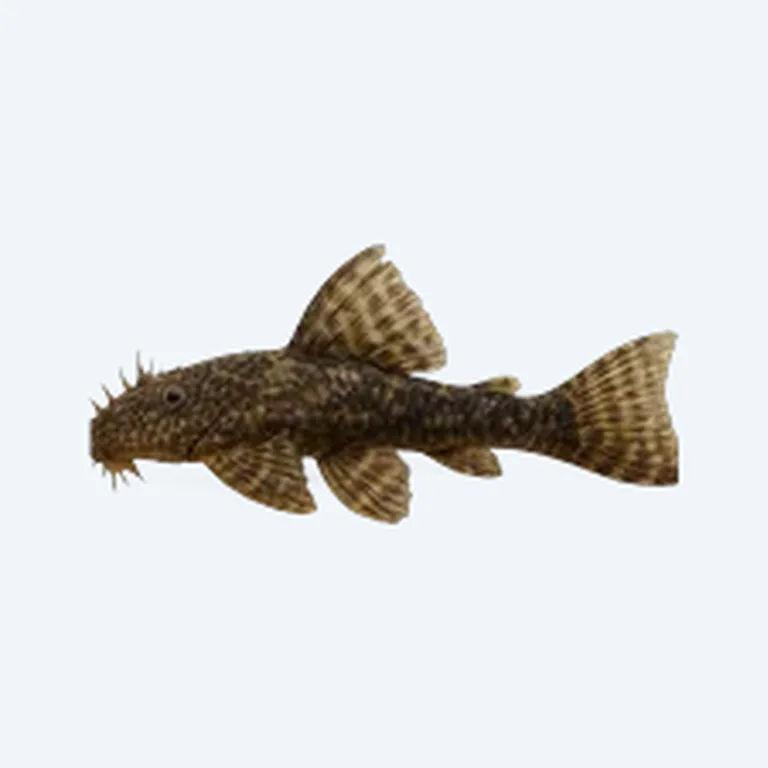
- Species: Ancistrus sp. - multiple species sold under the same common name, all with near-identical care requirements.
- Tank size: 80 L (21 US gal) minimum for one adult; 120 L (32 US gal) if you want a pair or two males.
- Parameters: 21-27°C (70-81°F), pH 6.0-7.5, soft to moderately hard water.
- Diet: Primarily algae and biofilm, but they need wood fibre (lignin) and regular vegetable supplements - algae alone is not enough.
- Driftwood is not optional: Bristlenoses rasp lignin from wood as a digestive aid. A glass-only tank will cause long-term gut problems regardless of how much algae you have.
- Breeding: Straightforward cave spawners; males guard eggs aggressively. Provide one cave per adult male to prevent fighting.
Why bristlenose plecos are worth the space
The bristlenose pleco punches well above its weight as a community fish. It stays small - 10-12 cm (4-5 in) at maturity - where the common pleco (Pterygoplichthys pardalis) sold in the same tanks routinely hits 45-60 cm (18-24 in) and outgrows most home aquariums within two years. For anyone who wants a practical algae-grazer that won't bulldoze plants or dominate a 200 L tank, Ancistrus is almost always the right answer.
They're also genuinely peaceful. Males can be territorial with each other, but toward every other species in a community tank they're effectively invisible - bottom-dwelling, nocturnal, and completely uninterested in other fish.
Bristlenoses do eat algae, but they're not an algae-removal solution. They graze constantly and will keep glass cleaner than it would otherwise be, but a tank with a genuine algae problem needs better lighting control and nutrient management - not more plecos. Don't stock one expecting it to clean up an existing mess.
Tank setup
Size and footprint
80 L (21 US gal) is workable for a single bristlenose, but the footprint matters more than volume. These fish live at the bottom and spend most of their time moving across horizontal surfaces. A tall, narrow tank gives less usable territory than a shallow tank with the same or even smaller volume. Aim for a base of at least 60 × 30 cm (24 × 12 in).
For a pair or two males, 120 L (32 US gal) with a longer footprint is the practical minimum. Cramming two adult males into a small tank is a reliable way to produce stress injuries - they'll clash repeatedly over territory even if you provide caves.
Filtration and flow
Bristlenoses come from Amazonian streams with moderate to strong current. They handle flow well and actually prefer it. More practically, they're significant waste producers - their constant grazing and plant-heavy diet means high organic output. Your filter needs to be rated for at least 1.5× your tank volume per hour, and realistically 2-3× if you're keeping other fish alongside them. Under-filtering a bristlenose tank is one of the fastest ways to get ammonia spikes. Make sure your tank is properly cycled before adding one - if you're not familiar with the process, read the guide on how to cycle a fish tank.
Substrate and décor
Fine gravel or sand both work. Avoid very coarse, sharp substrate - bristlenoses move their bellies along the bottom and can abrade themselves on jagged material over time. They don't burrow, so substrate depth isn't a concern.
What they genuinely need is surface area to rasp. Rocks, slate, broad-leafed plants like Anubias, and especially driftwood give them both feeding surfaces and territorial anchor points. A barren tank with only smooth glass is stressful for them regardless of feeding schedule.
Bogwood or Malaysian driftwood is ideal - both are dense enough to last years and leach tannins that mildly soften water and lower pH, which suits Ancistrus well. Spider wood looks good but breaks down faster and provides less rasping surface.
Water parameters
Bristlenoses are genuinely adaptable. The 21-27°C (70-81°F) range covers most community setups, and they're tolerant of water hardness from soft Amazonian conditions up to moderately hard tap water (around 15-18 dGH). pH between 6.0 and 7.5 suits them across nearly all households.
What they don't tolerate is poor water quality. Ammonia and nitrite at any detectable level cause stress and immune suppression - the same as any fish, but bristlenoses tend to show it through lethargy and colour fading before obvious disease symptoms appear. Keep nitrate below 20-25 ppm with regular water changes. For guidance on change frequency and volume, see the guide on how often to do water changes. A full breakdown of what the numbers mean is in the aquarium water parameters guide.
Bristlenoses are unusually tolerant of pH variation - most community tap water falls comfortably within this window without adjustment.
Feeding: the part most guides get wrong
The standard advice is "they eat algae and algae wafers." That's incomplete in a way that causes real harm over time.
Ancistrus are wood-rasping fish. In the wild, a significant part of their diet is lignin - the structural fibre in wood. It acts as a digestive roughage that keeps their gut moving correctly. A bristlenose kept in a glass-only tank with no driftwood, fed exclusively on algae wafers, will likely develop digestive problems within months. The fish looks fine until it doesn't.
Driftwood in the tank isn't just décor - it's a dietary component. They'll rasp it constantly even if food is abundant.
What to actually feed them
Build feeding around three things:
- Algae wafers: A solid staple. Sinking wafers after lights-out match their nocturnal feeding pattern. Don't overfeed - uneaten wafers dissolve and spike ammonia.
- Fresh vegetables: Zucchini (courgette), cucumber, blanched spinach, and blanched kale are all accepted readily. Zucchini coins weighted down with a fork or veggie clip are the easiest option. Remove uneaten pieces within 24 hours.
- Protein supplement: Despite being herbivore-leaning, bristlenoses need occasional protein - especially breeding females, which become genuinely depleted by egg production. Sinking shrimp pellets or small pieces of blanched peas provide this without disrupting the rest of your tank's feeding dynamic.
Relying on in-tank algae as a primary food source. Most established tanks don't produce enough algae to sustain a bristlenose, even if the glass looks green. If you're not actively supplementing with wafers and vegetables, the fish is probably underfed - and because they're cryptic and nocturnal, you won't notice until they're visibly thin.
Cave spawning and breeding
Bristlenoses breed readily in captivity, which is either a bonus or a problem depending on your plans. The basic trigger is a water change with slightly cooler water - mimicking seasonal rainfall - combined with a suitable cave and a male willing to defend it.
Cave setup
Males are the cave defenders, not females. The female enters, lays eggs on the cave ceiling, and leaves. The male fans and guards the eggs until they hatch (roughly 4-7 days at 24-26°C / 75-79°F) and continues to protect the fry for another week or two.
Caves need to be dark, enclosed, and just large enough for an adult fish. Ceramic breeding tubes, lengths of PVC pipe, coconut shells with an entrance hole, and hollow driftwood all work. The entrance should be tight enough that only one fish fits at a time - males will guard the entrance aggressively against other males.
If you have two males and only one cave, expect escalating territory fights - torn fins, stress, and eventually one fish being harassed to the point of hiding constantly and refusing to eat. Provide at least one cave per male, positioned far enough apart that line-of-sight between them is broken by décor.
Managing fry
A single bristlenose pair can produce 20-50 fry per spawn. The fry are self-sufficient within a week or two of hatching and will start grazing on algae and biofilm immediately. They need the same driftwood and vegetable access as adults from the start. In a community tank, most fry will be eaten before maturity - if you want to raise them, a separate grow-out tank with sponge filtration and zucchini coins is the simplest approach.
Tank mates
Bristlenoses get along with almost everything that isn't a large, aggressive predator. Their combination of small adult size, bottom-dwelling lifestyle, and peaceful temperament makes them compatible with the vast majority of community species - tetras, rasboras, corydoras, livebearers, dwarf cichlids, and most gouramis.
The one genuine conflict zone is with other plecos. Two male bristlenoses in a smaller tank will establish and defend territories. This doesn't mean they can't coexist - in a 150 L (40 US gal) tank with broken sightlines and multiple caves, two males often settle into tolerable cohabitation. In 80 L with one cave, it won't work long-term.
Avoid housing bristlenoses with large cichlids that target bottom-dwellers (Oscar, large Cichlasoma sp.) or any fish large enough to fit a bristlenose in its mouth. Use the free stocking calculator to check your full community combination before adding fish.
Corydoras catfish make excellent tank mates - both species occupy the bottom but use it differently. Bristlenoses rasp vertical and horizontal surfaces; corydoras sift the substrate. They don't compete meaningfully for the same resources.
Health and common problems
A well-kept bristlenose in good water is genuinely hardy. Most health problems trace back to two sources: poor water quality and inadequate diet.
White spot (Ich): Shows up as salt-grain-sized white spots, usually after a temperature drop or introduction of infected fish. Treat with heat (raise to 28-29°C / 82-84°F) combined with a proprietary Ich treatment. Bristlenoses tolerate standard treatments well at recommended doses.
Bloat / dropsy: Swollen abdomen with raised scales is a serious sign, usually indicating bacterial infection or organ failure. Often linked to consistently poor water quality or exclusively high-protein feeding. Difficult to treat once advanced - prevention through water quality and a balanced diet is the only reliable strategy.
Fin and body erosion: Red-tinged or eroding edges on fins, particularly the dorsal, often indicate bacterial infection secondary to physical damage or ammonia exposure. Check parameters first. Broad-spectrum antibacterial medication is effective if caught early.
Wasting despite eating: A bristlenose that eats actively but loses body condition is often a sign of internal parasites, common in wild-caught stock. A course of flubendazole-based treatment typically resolves it.
App-aquatic lets you log test results and spot parameter trends before they become fish problems - particularly useful for ammonia and nitrite tracking during the first months of a new tank.
Track your parameters and get care reminders with App-aquatic.
Get the free appDo bristlenose plecos really need driftwood?
Yes. It's not just decoration. Ancistrus rasp lignin from wood as a digestive roughage - it keeps their gut functioning correctly. A glass-only tank fed exclusively on wafers may look fine for months, but digestive issues will develop. At minimum, one piece of bogwood or Malaysian driftwood should be in any bristlenose setup.
How many bristlenose plecos can I keep together?
One male per tank works without issue. A male-female pair is fine in 80 L (21 US gal) or larger. Two males need at least 120-150 L (32-40 US gal) with broken sightlines and one cave each - even then, watch for aggression. Multiple females coexist easily. The conflict is specifically between males competing for cave territory.
Will a bristlenose pleco eat my plants?
Occasionally. They'll graze algae off plant leaves and may nibble soft-leafed plants when hungry - java fern and Anubias are rarely touched. The main risk is mechanical damage from the fish wedging itself between stems or resting on delicate plants. Feed them adequately and plant damage is minimal.
Why does my bristlenose pleco hide all the time?
They're naturally nocturnal and cryptic, so some hiding is normal. If it never emerges even at feeding time, check water parameters first - ammonia, nitrite, and pH are the usual culprits. Also check for aggression from tank mates, which can pin a pleco to one hiding spot permanently. A fish that's visibly thin despite eating suggests internal parasites.
What's the difference between a bristlenose and a common pleco?
Size, primarily. Bristlenoses (Ancistrus sp.) reach 10-12 cm (4-5 in). Common plecos (Pterygoplichthys pardalis) reach 45-60 cm (18-24 in) and are frequently surrendered to aquarium shops when they outgrow tanks. Both are sold as juveniles at similar sizes, so the label on the tank matters. If a shop just says "pleco" with no species name, ask - and treat it as a common pleco until proven otherwise.