
Tank mates
Best Corydoras Tank Mates: Compatible Species
Last updated: May 2026
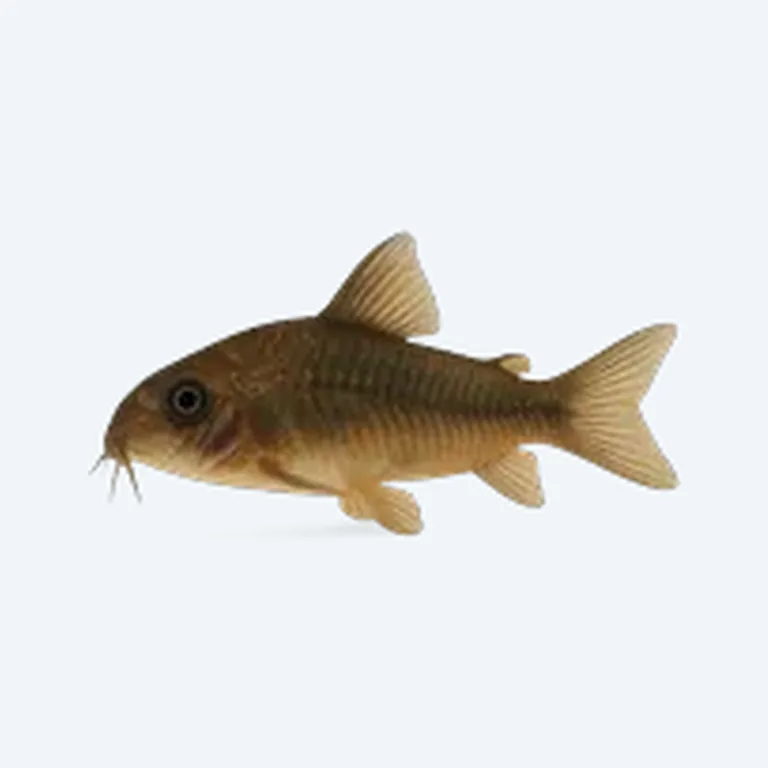
- Minimum group size: Keep at least six corydoras of the same species - they school by sight and a lone cory is a stressed cory.
- Tank size baseline: 75 litres (20 US gal) for a cory group plus one or two compatible schools; bigger is always safer.
- Best tank mates: Small, peaceful mid-water schooling fish - neon tetras, cardinal tetras, harlequin rasboras, rummy-nose tetras, and ember tetras all work well.
- Water window: Most corydoras thrive at 22-26 °C (72-79 °F), pH 6.5-7.5, soft to moderately hard water - a range that suits the majority of community tropicals.
- Avoid: Anything large enough to eat a cory, aggressive cichlids, territorial bottom-dwellers competing for the same substrate zone, and fish that need very different water chemistry.
- Common mistake: Stocking the "interesting" centrepiece fish first and squeezing corydoras in afterwards - always plan your bottom layer before adding anything else.
Pairing Bronze Cory with something specific? Our fish compatibility checker compares any two of 815 species on water parameters, predation risk, fin nipping, temperament and tank size - and draws them both at life size so you can see the difference.
Why the bottom layer deserves planning first
Most fishkeepers choose their tank mates the wrong way around. They pick a flashy centrepiece - a dwarf gourami, a betta, a school of neons - and then treat the corydoras as an afterthought that "cleans the bottom." That thinking causes more stocking problems than almost anything else in a community tank.
Corydoras are not a clean-up crew. They are active, social, characterful fish that need specific conditions and plenty of space to forage. Get the bottom layer right first - the right species, the right group size, the right substrate - and everything above it becomes much easier to plan around.
There are over 170 described Corydoras species, but the community tank staples are Corydoras paleatus (peppered cory), C. aeneus (bronze cory), C. sterbai (Sterbai cory), and C. panda (panda cory). Their care requirements are broadly similar, though C. sterbai tolerates warmer water (up to 28 °C / 82 °F), which makes it a better fit for discus or angelfish tanks than most other species.
The "corys eat leftover food so you don't have to do as many water changes" myth is persistent and wrong. Uneaten food still decays and drives ammonia up whether a cory finds it or not. They forage on what's already in the substrate - they don't neutralise poor husbandry. Keep up your water change schedule regardless.
Water parameters: what the overlap actually looks like
Corydoras are often described as "adaptable," which is true but easily overstated. They do best in soft, slightly acidic to neutral water - pH 6.5-7.5, general hardness under 15 °dGH, temperature 22-26 °C (72-79 °F). That range happens to overlap neatly with a huge number of popular community fish, which is why corydoras work in so many setups.
What breaks the overlap is choosing tank mates with genuinely different requirements: African cichlids (hard, alkaline water), goldfish (cold water, 18-22 °C / 64-72 °F), or brackish species. Those are non-starters regardless of how peaceful they look on the label.
Barbel condition is a reliable water-quality indicator for corydoras. Healthy fish have full, intact barbels. Eroded or shortened barbels usually mean the substrate is too coarse, or - more often - that bacterial loads in the substrate are too high from overfeeding or infrequent maintenance. Fix the root cause, not the symptom. Understanding what your parameters actually mean makes this kind of diagnosis much faster.
Corydoras kept in groups of fewer than six show measurably more stress behaviour - less foraging, less movement, more time spent hiding.
The best corydoras tank mates
The common thread across every good tank mate is simple: they occupy the middle and upper water column, they're too small to threaten a cory, and they don't need to be on the bottom. Here's what consistently works.
Small tetras
Paracheirodon innesi (neon tetra) and P. axelrodi (cardinal tetra) are the obvious choices - peaceful, midwater, and visually complementary against the sandy substrate that corydoras prefer. Cardinals are a slightly better fit for softer, warmer water (25-27 °C / 77-81 °F, pH 5.5-7.0) and are generally hardier than their reputation suggests once properly acclimated.
Rummy-nose tetras (Hemigrammus rhodostomus) are underrated. They school tightly, stay in the mid-column, and their nose coloration serves as a visible health indicator - pale noses usually mean water quality is slipping. Ember tetras (Hyphessobrycon amandae) work well in smaller tanks where neons might feel cramped.
Rasboras
Harlequin rasboras (Trigonostigma heteromorpha) are a classic pairing with corydoras for good reason. They're robust, peaceful, and comfortable in the same water parameters. Keep a school of eight or more for the best visual effect. Lambchop rasboras (T. espei) are a smaller, equally peaceful alternative if you're working with a tank under 100 litres.
Livebearers
Guppies (Poecilia reticulata) work provided your water isn't too soft or acidic - they prefer a pH closer to 7.0-7.5 and slightly harder water than wild-type corydoras would choose. Platies (Xiphophorus maculatus) are more forgiving on that front and tend to be calmer. Both species ignore the bottom entirely, so there's no competition.
Avoid endlers in tanks with boisterous schools - they're small enough to get outcompeted at feeding time.
Dwarf gouramis and other anabantoids
Trichogaster lalius (dwarf gourami) is one of the better centrepiece choices for a cory community tank - slow-moving, peaceful toward anything it can't eat, and stays in the upper half of the water column. Males can be aggressive toward each other, so keep one per tank unless it's large enough (150 L+) to break sightlines.
Honey gouramis (Trichogaster chuna) are arguably a better choice for smaller tanks: hardier, less prone to the viral issues that plague commercially farmed dwarf gouramis, and equally uninterested in the bottom layer.
Other catfish - careful here
Otocinclus catfish (Otocinclus spp.) occupy algae on glass and decor rather than the substrate, so they don't meaningfully compete with corydoras. They're a good pairing. Small bristlenose plecos (Ancistrus spp.) can work in larger tanks but will stake out cave territories and occasionally harass corydoras that wander too close. In tanks under 120 litres, it's often not worth the conflict.
Feed corydoras specifically - don't assume they'll find enough from surface feeding. Sinking wafers, sinking pellets, or blanched vegetables dropped to the substrate after lights-out ensure they're getting adequate nutrition, not just scraps. Repashy Soilent Green or similar gel foods work well and don't cloud the water.
Fish to avoid
The risks fall into two categories: aggression and competition. Both are avoidable if you plan ahead.
Aggressive or predatory fish
Any cichlid large enough to swallow a cory is a problem. Jack Dempseys, green terrors, jaguar cichlids, and oscars are obvious no-goes. Less obvious: convict cichlids. Even a small convict will bully and nip at corydoras relentlessly, particularly when spawning. German blue rams and Bolivian rams are generally fine - they're small enough that the interaction stays at the level of mutual irritation rather than injury.
Larger barbs - especially tiger barbs (Puntigrus tetrazona) in small groups - are notorious fin nippers. Corydoras have relatively short fins, but tiger barbs will still target them. If you want barbs, keep a school of eight or more to dilute fin-nipping behaviour, or choose cherry barbs (Puntius titteya), which are far less nippy.
Territorial bottom-dwellers
The mistake here is usually adding a large pleco - a common pleco (Hypostomus plecostomus) - to a 100-litre tank. They grow to 40-50 cm (16-20 inches), produce enormous waste loads, and claim driftwood and cave structures that corydoras would otherwise use as shelter. Smaller species like bristlenoses are manageable; common plecos are not community fish.
Kuhli loaches (Pangio kuhlii) occupy a similar substrate niche to corydoras but are generally peaceful enough that coexistence works. They prefer tighter hiding spots and are more nocturnal, so the spatial overlap is less than it appears. Just make sure the tank is large enough for both groups to forage comfortably.
Betta fish are sometimes listed as compatible with corydoras. In a well-planted tank with a peaceful individual betta, it can work - but bettas vary enormously in temperament. Some will ignore corydoras completely; others will shred their fins. If you try it, watch closely for the first two weeks and have a backup plan. Never rely on "bettas are usually fine" as a guarantee.
Substrate and tank setup
This matters more than most tank mate guides acknowledge. Corydoras forage by sifting substrate through their mouths, and coarse gravel damages their barbels and facial tissue over time. Fine sand - pool filter sand, play sand, or purpose-made aquarium sand - is the correct choice. Smooth fine gravel can work at a pinch, but sand is better.
The rest of your tank mate selection is made easier by a well-planted, sand-bottomed tank with some open swimming space in the midground. Dense planting at the back and sides gives small tetras and rasboras cover; open midground lets you actually see them. Corydoras appreciate areas with leaf litter or flat stones to rest under.
Adding corydoras to a tank that hasn't completed its nitrogen cycle. New tank syndrome kills corydoras quickly - they're sensitive to ammonia and nitrite spikes. Make sure your tank is fully cycled before adding any fish. If you're unsure how that works, read the guide on how to cycle a fish tank before you buy anything.
Stocking a realistic community example
Here's a practical combination for a 100-litre (26 US gal) tank at 25 °C (77 °F), pH 7.0, moderately soft water:
- 8× harlequin rasboras (Trigonostigma heteromorpha) - upper/mid column
- 6× bronze or pepper corydoras (C. aeneus or C. paleatus) - bottom
- 1× honey gourami (Trichogaster chuna) - upper column centrepiece
- 6× otocinclus (Otocinclus affinis) - glass and plant surfaces
That's a well-layered, fully compatible community. Nothing competes for the same space, water parameters overlap cleanly, and the bioload is manageable with weekly water changes. Use the free stocking calculator to check any variation of this against your specific tank volume before you buy.
Track your parameters and get care reminders with App-aquatic.
Get the free appCan corydoras live with bettas?
Sometimes, but not reliably. A calm betta in a well-planted tank may ignore corydoras completely. An aggressive individual will fin-nip or worse. There's no way to predict it in advance - if you try it, watch closely for two weeks and be ready to separate them. Don't do it in a tank under 60 litres where the betta can't establish a territory away from the bottom.
How many corydoras should I keep together?
Six is the minimum. Below that they become stressed and inactive. Eight to ten is better and results in more visible natural behaviour - active foraging, social interactions, and the characteristic dashing to the surface for air. They're shoaling fish; keeping two or three is doing them a disservice.
Will corydoras eat neon tetra fry?
Yes, if they find them. Corydoras are opportunistic - they'll eat eggs and very small fry they encounter while foraging. Adult neon tetras are completely safe; it's only a concern if you're attempting to raise fry in the same tank, which is rarely successful in a community setup anyway.
Can I mix different corydoras species?
Yes, with a caveat. Corydoras do recognise their own species and prefer to shoal with conspecifics. A mixed group will coexist peacefully, but a single fish of one species surrounded by a different species will often look lost. If you want to mix, keep at least four to six of each species so each has a recognisable group. Don't mix species with very different temperature preferences - C. paleatus prefers 20-24 °C while C. sterbai wants 25-28 °C.
Do corydoras need a heater?
Most species do. The common exception is C. paleatus (peppered cory), which is comfortable at room temperature in temperate climates - down to around 18 °C (64 °F), though it does best at 20-24 °C. Bronze, panda, and sterbai corys need a stable tropical range, so use a heater and keep them at 22-26 °C (72-79 °F), or up to 28 °C (82 °F) for C. sterbai.