
Compatibility
Can Corydoras Live With Bettas?
Last updated: May 2026
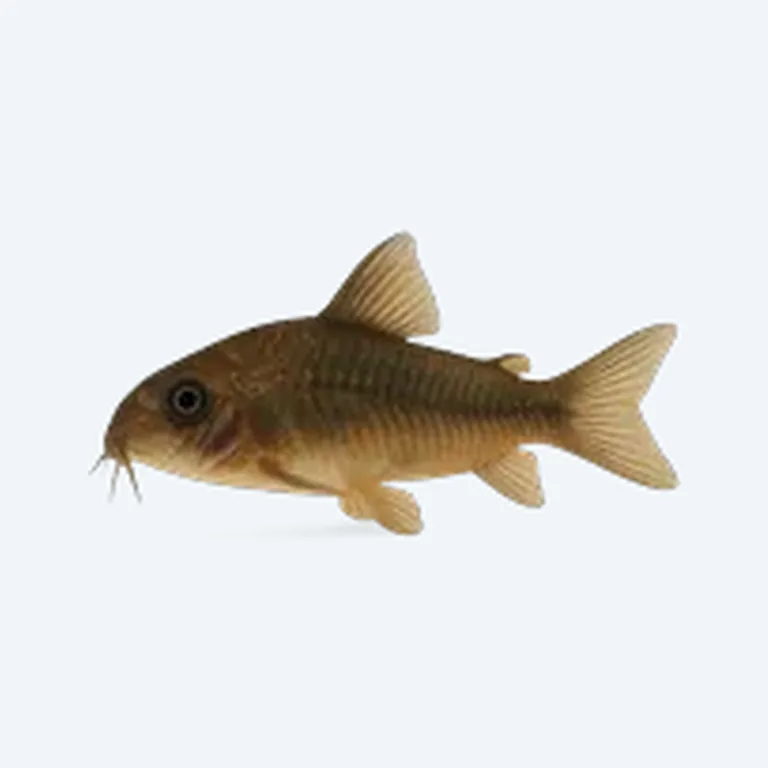
- Usually yes: corydoras and bettas share overlapping water parameters and occupy different tank zones, making them one of the more reliable betta community pairings.
- Temperature is the main constraint: keep water at 24-26 °C (75-79 °F) - warm enough for the betta, not so hot that corys suffer long-term.
- Six corys minimum: fewer than six and they become visibly stressed, stop shoaling, and sit motionless - which ironically makes a betta more likely to investigate and nip them.
- Sand substrate is non-negotiable: corydoras sift substrate constantly; gravel traps food and wears down their sensitive barbels.
- Tank size: a 75-litre (20-gallon) tank is the practical minimum for a betta plus a group of six small corys with any margin for error.
- The betta's personality matters: most tolerate corys without issue, but a small minority are persistent fin-rippers regardless of setup - watch the first 48 hours carefully.
Checking Bronze Cory against Betta (Male)? Our fish compatibility checker compares any two of 815 species on water parameters, predation risk, fin nipping, temperament and tank size - and draws them both at life size so you can see the difference.
Why this pairing usually works
Bettas and corydoras don't compete for the same space. Your betta owns the top half of the tank - he patrols the surface, guards his bubble nest, and treats mid-water as his territory. Corydoras live on and just above the bottom, scavenging, sifting sand, and largely ignoring everything above them. That vertical separation removes most of the tension you'd get pairing two mid-water species together.
There's also no colour or finnage confusion. Bettas can be aggressive toward fish that look like rival bettas - similar body shape, bright colours, flowing fins. A Corydoras paleatus or Corydoras sterbai looks nothing like a betta. It doesn't trigger the same territorial response.
What can go wrong is almost always one of three things: the water is too warm, the cory group is too small, or the individual betta is genuinely aggressive toward anything that moves. The first two are fixable. The third occasionally isn't.
Getting the water conditions right
This is where most guides gloss over real detail. Bettas are labyrinth fish from shallow, warm Southeast Asian waters - they tolerate a wide range but thrive at 25-28 °C (77-82 °F). Corydoras are South American catfish. Most commonly kept species - Corydoras panda, C. paleatus, C. julii - prefer 22-26 °C (72-79 °F). Corydoras sterbai is the exception, tolerating up to 28 °C (82 °F), which is why it's the species most consistently recommended for betta tanks.
The overlap zone for most species is 24-26 °C (75-79 °F). Keep your heater set to 25 °C (77 °F) and you're in the right range for both. Running the tank at 27-28 °C to favour the betta shortens the corys' lifespan - they're more vulnerable to disease, eat more, and produce more waste at sustained high temperatures.
If you want slightly warmer water for your betta, choose Corydoras sterbai over the more common peppered or panda cories. It's one of the few cory species genuinely comfortable at 27-28 °C (81-82 °F).
pH is less contentious than temperature. Both species are comfortable at 6.5-7.5, which covers most aged tap water. Hardness is similarly forgiving - 2-12 dGH works for both. If your tap water is very hard (above 15 dGH), corydoras will tolerate it but won't breed, and long-term health can suffer. Check your aquarium water parameters if you're unsure what you're working with.
Tank size and setup
A 75-litre (20-gallon) tank is the real minimum once you account for a betta, six corys, adequate filtration, and enough floor space for the corys to spread out. Smaller tanks - the common 40-litre (10-gallon) betta setups - don't give corys enough room to form a proper group, and the footprint is too small for six fish to move naturally. Cramped corys pile up in corners, which stresses everyone.
Longer tanks matter more than tall ones for this combination. Corys use floor space; a 60 × 30 cm (24 × 12 in) footprint gives a group something to work with. A 40 × 40 cm cube of the same volume does not.
Below six, shoaling behaviour breaks down - corys become stationary and stressed, which makes a watchful betta more likely to investigate them.
Substrate
Sand is mandatory, not optional. Corydoras feed by pushing their snouts into the substrate and sifting it through their gills. On gravel, they can't do this properly, they ingest sharp particles, and their barbels - the small whisker-like sensory organs around the mouth - erode and become infected. Barbel rot on gravel is extremely common and entirely preventable. Use fine sand (pool filter sand works well and is cheap) or a purpose-made aquarium sand at 5-7 cm (2-3 in) depth.
Gravel-kept corydoras often develop barbel erosion within weeks. The stumps become infected, and by the time most keepers notice something is wrong, the damage is already done. If you're converting an existing gravel tank, do it before adding corys, not after.
Flow and surface access
Bettas breathe atmospheric air using their labyrinth organ and need calm surface access. Strong surface agitation stresses them and can actually impair breathing. Keep your filter outlet directed toward the glass rather than breaking the surface, and avoid powerheads or circulation pumps that create heavy current. A sponge filter or a hang-on-back turned down to low flow works well. Corys don't need strong current either, so this isn't a compromise - it suits both species.
Plants and hiding spots
A planted tank benefits both fish. Bettas feel more secure with floating plants - Salvinia, water lettuce, or frogbit - that break up the surface and give them somewhere to rest near the top. Dense mid-ground planting (java fern, anubias, crypts) gives corys cover and reduces line-of-sight, which typically makes bettas calmer. A stressed betta in a bare tank is a more aggressive betta.
Feeding both species without problems
Most people get this wrong by feeding only flake or pellets and assuming the corys will clean up what falls to the bottom. Corydoras are not a cleanup crew - they're fish with specific nutritional needs. They need sinking wafers or pellets that reach the substrate, plus occasional treats like frozen bloodworm, daphnia, or brine shrimp.
Feed the betta first at the surface (he'll take most of his food within 30-60 seconds), then drop cory wafers at the opposite end of the tank. This reduces the betta investigating the bottom-feeding zone during mealtimes, which is when most nipping incidents happen.
Relying on corydoras to eat leftover betta food off the bottom. Uneaten food that sits and breaks down drives ammonia spikes - the nitrogen cycle doesn't care that you intended the corys to eat it. Siphon excess food after feeding.
Introducing them safely
The sequence matters. Add corys to an established, cycled tank - not a new setup. If you're starting from scratch, cycle the tank first, then add the cory group before the betta. Bettas introduced to a tank that already has residents are less likely to go into full territorial mode than bettas who've been alone for weeks and treat every new arrival as an intruder.
Rearrange any decorations before adding the betta to break up any territory he's established. Then watch the first 24-48 hours carefully. A betta that ignores or briefly investigates the corys and moves on is going to be fine. A betta that actively chases, positions himself over resting corys, and attacks repeatedly after the first few hours is showing you who he is - intervention is needed sooner rather than later.
Most guides say "bettas have individual personalities" as a disclaimer and leave it there. The reality is that roughly 10-15% of bettas are genuinely incompatible with any tankmates - they'll harass fish to death regardless of species, tank size, or how well you've set things up. You can't train this out of them. If your betta is one of them, the kindest outcome for everyone is a species-only tank. This isn't a failure on your part.
What to do if the betta nips
Some initial curiosity nipping is normal and usually stops within a day or two. Persistent nipping - multiple targeted attacks per hour, corys hiding constantly, visible fin damage - is a different situation.
First response: add more cover. Dense planting, driftwood, and caves break sightlines and give corys refuges the betta can't easily follow them into. Sometimes that's enough to reduce aggression to a tolerable level.
Second response: temporarily separate using a tank divider for a week, then reintroduce with rearranged decor. This resets territorial claims.
If neither works: accept that this particular betta isn't compatible and house him alone. Corydoras are shoaling fish - moving them to a separate species-only tank is entirely reasonable and often results in far more interesting behaviour than you'd see in a mixed setup anyway.
Best cory species for betta tanks
Corydoras sterbai - the top pick. Tolerates warmer water than most corys (up to 28 °C / 82 °F), stays relatively small at around 6 cm (2.4 in), and is reliably hardy.
Corydoras panda - popular, attractive, and peaceful, but prefers cooler water (22-25 °C / 72-77 °F). Fine at 25 °C but don't push the temperature for your betta's sake.
Corydoras paleatus (peppered cory) - one of the most cold-tolerant species and not ideal for warm betta tanks. Serviceable at 24-25 °C but not the best choice.
Corydoras julii / C. trilineatus - often sold interchangeably, both work well at 24-26 °C. Hardy and active in groups.
Avoid pygmy cories (C. pygmaeus, C. hastatus) for betta tanks. They're mid-water swimmers, which puts them directly in betta territory. Fine fish - wrong combination.
Before you buy, run your intended stocking list through the free stocking calculator to check numbers against your tank volume. It takes 30 seconds and stops most overstocking mistakes before they happen.
Ongoing maintenance
A tank with six corys and a betta produces a reasonable bioload. Weekly water changes of 25-30% are appropriate for most setups - more frequently if your tank is smaller or your filter is undersized. Corys are sensitive to ammonia and nitrite spikes, and they'll often show stress (rapid gill movement, surface gulping) before your betta does. Treat any sudden change in cory behaviour as an early warning to test your water. You can log test results and set change reminders in App-aquatic if you want a record over time. For a straightforward schedule, the guide on how often to do water changes covers it well.
Track your parameters and get care reminders with App-aquatic.
Get the free appHow many corydoras should I keep with a betta?
Six is the minimum. Fewer than six and shoaling behaviour breaks down - the corys become stressed and stationary, which makes the betta more likely to investigate them. Eight to ten in a larger tank produces noticeably more natural behaviour.
What temperature should I keep a betta and corydoras tank?
24-26 °C (75-79 °F) suits both species. If you specifically choose Corydoras sterbai, you can run as warm as 27-28 °C (81-82 °F) without stressing the corys. Avoid pushing temperature higher for the betta's sake - it shortens cory lifespan.
Will my betta attack corydoras?
Most bettas ignore corys after an initial inspection. The fish occupy different tank levels and don't look like rivals. A minority of bettas are genuinely aggressive toward any tankmates - watch the first 48 hours and be honest about what you're seeing. Persistent attacks after the first day or two are unlikely to resolve on their own.
Can I keep corydoras in a 40-litre (10-gallon) betta tank?
Technically possible but not recommended. A group of six corys needs floor space to move and forage naturally. A 40-litre tank with a betta already in it doesn't have enough room - the corys will pile into corners and stress. A 75-litre (20-gallon) tank with a longer footprint is the realistic minimum.
Do corydoras clean up betta fish waste?
No. Corydoras scavenge uneaten food and organic debris, but they don't process fish waste or neutralise ammonia. They're not a substitute for proper filtration and regular water changes. Treating them as a cleanup crew leads to overstocking and water quality problems.