Compatibility
Can Discus Live With Angelfish?
Last updated: May 2026
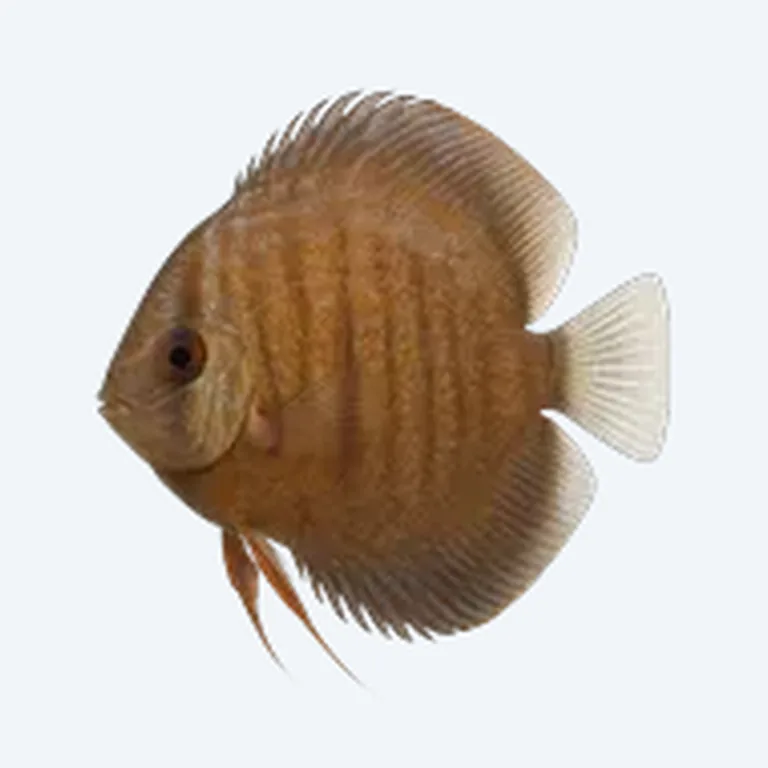
- Yes, but conditionally: Discus and angelfish can share a tank, but only under advanced-keeper conditions - this is not a beginner pairing.
- Temperature is the first filter: Discus need 28-31°C (82-88°F); angelfish tolerate that range but don't thrive long-term at the top end. A compromise around 28-29°C (82-84°F) works if your angels are healthy.
- Parasite bridging is the real danger: Angelfish are notorious carriers of Capillaria and Hexamita - pathogens that can devastate discus. Strict quarantine is non-negotiable.
- Tank size sets the ceiling: You need at minimum a 300-litre (75-gallon) footprint, longer than it is tall, to buffer territory and dilute waste.
- Water quality requirements overlap but discus are less forgiving: Both prefer soft, slightly acidic water (pH 6.0-7.0), but discus punish any spike in ammonia or nitrate far more harshly than angels do.
- Not a novelty project: If you can't commit to daily parameter checks and a genuine 4-6 week quarantine protocol, keep them separate.
Checking Discus against Angelfish? Our fish compatibility checker compares any two of 815 species on water parameters, predation risk, fin nipping, temperament and tank size - and draws them both at life size so you can see the difference.
Why people want this combination
On paper, it makes sense. Both Symphysodon spp. (discus) and Pterophyllum scalare (angelfish) are South American cichlids that overlap in their natural range, both appreciate warm, soft, acidic water, and both are visually striking in a way that makes a large display tank genuinely impressive. The combination shows up constantly on fishkeeping forums precisely because the logic seems sound.
The reality is more complicated - not because the fish are inherently incompatible, but because keeping either species well is already demanding, and keeping them together amplifies every mistake. When it works, it's one of the most rewarding freshwater setups you can run. When it goes wrong, it tends to go wrong fast.
Getting the water parameters right for both species
This is where most guides stop at "both like soft, warm, acidic water" and call it done. That's accurate but incomplete.
Temperature
Discus are often kept at 30-31°C (86-88°F), particularly wild-caught specimens or fish from breeders who replicate blackwater conditions. Angelfish are comfortable between 24-28°C (75-82°F). The overlap exists - roughly 28-29°C (82-84°F) - but it's a compromise for both. Discus at the low end of their comfort zone are more susceptible to bacterial infections. Angelfish held at 29°C long-term show accelerated metabolic aging and shorter lifespans in some keepers' experience, though the hobby genuinely debates the magnitude of this effect.
A practical target for a mixed tank is 28°C (82°F). Accept that you're running the discus slightly cool and the angels slightly warm.
pH and hardness
Both species do well at pH 6.2-6.8 and general hardness (GH) under 8 dGH. Discus from Southeast Asian fish farms (the majority of what's sold today) are often adapted to moderately soft tap water and will tolerate pH up to 7.2 without issue. Wild-caught discus are far more sensitive - pH above 7.0 stresses them noticeably. If you're buying wild-caught fish, this pairing becomes significantly harder to maintain.
Check your tap water before planning anything. If you're on hard water above 15 dGH, you'll need RO or a blending strategy before either species belongs in your tank. See our guide to aquarium water parameters for how to interpret your test results.
Nitrate ceiling
Angelfish handle nitrates up to around 40 ppm without visible distress. Discus start showing stress behaviours - darkened colouration, reduced appetite, clamped fins - above 20 ppm, and chronic exposure above 30 ppm suppresses their immune system measurably. In a mixed tank, you're managing to the discus standard. That means substantial water changes.
In a heavily stocked discus and angelfish tank, 30-50% water changes three to four times per week isn't excessive - it's standard practice among serious discus keepers. If that sounds like too much work, reconsider the pairing. Use this guide on water change frequency to calibrate your routine.
The parasite problem - what most guides gloss over
This is the part of the conversation that gets minimised because it's inconvenient. Angelfish are remarkably resilient carriers of internal parasites - particularly Hexamita (the organism behind hole-in-the-head disease) and intestinal worms like Capillaria. An angelfish can look healthy, eat well, and show no outward symptoms while carrying a parasite load that would hospitalise discus.
Discus are immunologically sensitive. Their stress response is hair-trigger compared to most cichlids, and a compromised discus goes downhill quickly. Introducing angels that haven't been through a proper quarantine protocol directly into a discus tank is one of the most reliable ways to lose expensive fish.
A minimum 4-week quarantine for angelfish before they go anywhere near discus. Many experienced discus keepers stretch this to 6 weeks and run a prophylactic treatment for internal parasites (metronidazole is commonly used) regardless of whether the fish show symptoms. Buying from a trusted source reduces but does not eliminate this risk.
Most discus specialists recommend a minimum 4-6 week isolation period for any new angelfish before introduction, with parasite treatment during that window.
Tank size and setup
Discus are mid-water column fish that use horizontal space more than vertical. A 300-litre (75-gallon) tank is a workable minimum for a small mixed group - say, four to five discus and two to three angelfish - but 450 litres (120 gallons) gives you meaningful margin for error in both territory and water quality. Tall tanks are popular for discus aesthetics but a longer footprint matters more for stocking density and filtration surface area.
Layout considerations
Angelfish are territorial, especially during spawning. A breeding pair of angelfish will dominate a tank and harass discus relentlessly - including chasing them away from food. If your angels pair up and start spawning, you have two options: remove them to a breeding tank or accept that the discus will be stressed. Don't ignore spawning behaviour hoping it will resolve itself.
Provide sight-line breaks with tall plants (Vallisneria, Echinodorus) or driftwood. This lets subordinate fish escape visual contact with dominant ones without needing to cross territories.
Keeping a single angelfish with discus to "reduce territory competition." A lone angel is often more aggressive than a small group because there's no intraspecific social dynamic to distract it. Two or three angels together tend to focus more on each other than on the discus.
Feeding - logistics matter as much as diet
Discus are slow, deliberate feeders. Angelfish are fast and competitive. In a mixed tank, the angels will consistently outcompete the discus for food unless you actively manage feeding. Fast-moving angelfish intercepting food before discus reach it is one of the most common causes of malnourished discus in mixed setups - the keeper assumes everyone is eating because food disappears.
Feed at multiple spots simultaneously, use feeding tongs to place food directly in front of discus, and observe the full feeding session rather than just dropping food and walking away. Discus do well on high-quality frozen foods (bloodworm, beefheart mixes, brine shrimp) and quality pellets formulated for cichlids. Both species share these dietary needs, which is genuinely convenient.
Tankmates beyond angels
In a large enough setup, you can add dither fish that reinforce both species' confidence. Cardinal tetras (Paracheirodon axelrodi) are the classic choice - they match the water parameters, are too fast to be eaten by either cichlid, and their movement in open water signals to discus that conditions are safe. Corydoras sterbai (specifically sterbai, which tolerates higher temperatures unlike most cory species) work well on the substrate.
Avoid any fish that nip fins (tiger barbs, many tetras at scale), any fish requiring cooler water, and any aggressive cichlid that will tip the territory balance further.
Most discus specialists will tell you privately that the cleanest discus setups are species-only tanks with a few dither tetras. The discus-and-angelfish combination exists on a spectrum from "works beautifully for years" to "disaster within a month" - and the difference usually comes down to the quarantine discipline of the keeper and how the individual animals behave, not just the parameters on paper. Go in knowing that this combination requires more active management than either species kept separately.
Is your tank actually ready?
Before you buy either species, make sure your tank has completed the nitrogen cycle - an uncycled or partially cycled tank will kill discus reliably. Read through how to cycle a fish tank and the nitrogen cycle explained if you're not certain your biological filtration is established. Discus are not the fish to cycle a tank with, and neither is this the pairing to experiment on if you're still building experience. If you're earlier in the hobby, the best fish for beginners guide is a better starting point.
Run your proposed stocking list through the free stocking calculator - input your tank dimensions, temperature, and both species before you buy anything. The calculator will flag whether your footprint and filtration can realistically support the bioload.
Track your parameters and get care reminders with App-aquatic.
Get the free appWill angelfish attack discus?
Not systematically, but they will become aggressive during spawning and will outcompete discus for food. A breeding pair of angelfish in a discus tank is a management problem. Outside of spawning, well-fed angels in a large tank generally coexist without persistent aggression - but individual fish vary, and some angels are simply bullies regardless of conditions.
What temperature should I keep a discus and angelfish tank?
28°C (82°F) is the standard compromise. This is on the cool side for discus and the warm side for angels, but both species tolerate it well enough for long-term health. Avoid pushing above 30°C (86°F) if angels are in the tank.
Do I really need to quarantine angelfish before adding them to a discus tank?
Yes, and this is not optional. Angelfish are common carriers of Hexamita and intestinal parasites that can devastate discus. Four weeks minimum, six weeks preferred, with internal parasite treatment during quarantine. Skipping this is the fastest way to lose discus to disease introduced by visually healthy angels.
How many angelfish can I keep with discus?
In a 300-litre (75-gallon) tank, two to three angelfish alongside four to five discus is a reasonable ceiling. More angelfish increases territorial pressure and competition at feeding time. In a 450-litre (120-gallon) or larger tank you have more flexibility, but watch for pairing behaviour and be ready to move a spawning couple to their own tank.
Can I keep wild-caught discus with angelfish?
Technically yes, but it's significantly harder. Wild-caught discus are more sensitive to pH fluctuation, less adapted to the compromise temperature, and more susceptible to stress from tankmate aggression. Most experienced keepers who run wild-caught discus keep them in species-specific setups. Farm-raised discus handle mixed tanks more reliably.