Fish care
Common Goldfish: Complete Care Guide
Last updated: May 2026
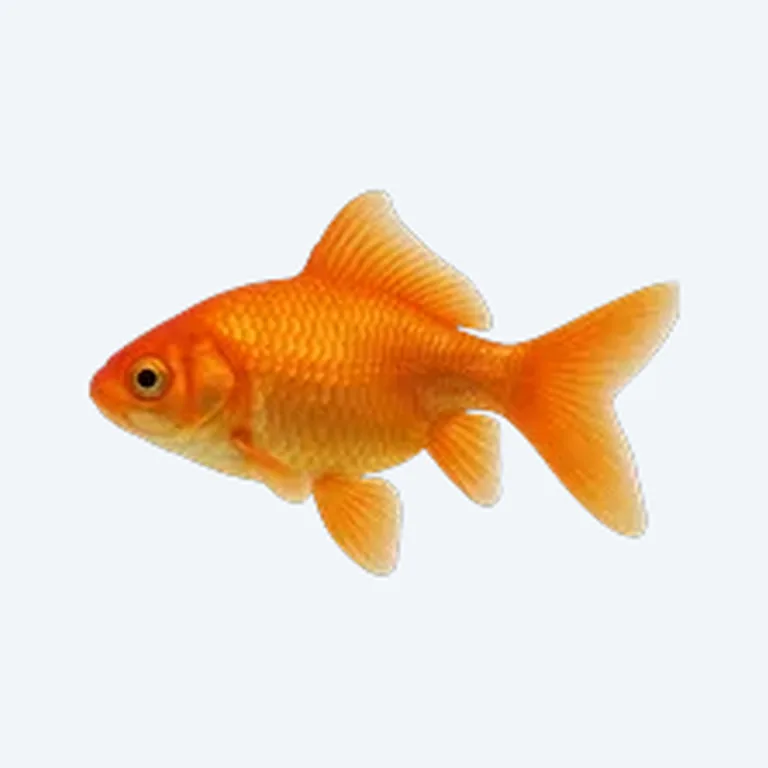
- Minimum tank size: 150 L (40 US gal) for one fish - add at least 40-50 L (10-13 US gal) per additional common goldfish.
- Temperature: 10-22°C (50-72°F). These are temperate fish; they do not want tropical warmth.
- pH: 6.5-7.5, with moderately hard water preferred.
- Filtration: Oversized is standard practice. Target turnover of 8-10× tank volume per hour and expect to clean media frequently.
- Max size: Up to 30 cm (12 in) in a proper setup - most stunted fish simply ran out of space or clean water, not genetic potential.
- Lifespan: 10-15 years is realistic with good husbandry. Carnival fish routinely outlive their reputation.
What you're actually signing up for
Carassius auratus - the common goldfish - is one of the most misrepresented animals sold in the hobby. They are not bowl fish. They are not low-maintenance. And they are absolutely not temporary pets. A healthy common goldfish in a well-run setup will reach 20-30 cm (8-12 in), produce more ammonia per gram of bodyweight than most tropical species, and live well over a decade. If that sounds like more than you bargained for, the best fish for beginners guide covers smaller, lower-bioload alternatives worth considering first.
If you're in, here's how to do it properly.
The pet trade sells goldfish as starter fish because they're cheap to breed and hard to kill immediately. They're actually one of the more demanding species to keep well long-term - not because they're fragile, but because their waste output and eventual size demand serious equipment. Go in with that expectation and you'll succeed. Underestimate it and you'll be doing emergency water changes within a week.
Tank size and footprint
The 150 L (40 US gal) minimum is for a single fish, and it's a real minimum - not a comfortable number. Two fish need at least 190-200 L (50 US gal), and three push you toward 240 L (63 US gal) or more. The exact numbers matter less than the principle: common goldfish need horizontal swimming space and water volume to dilute waste between water changes.
Footprint beats height. A tall, narrow show tank and a long, wide tank might hold the same volume, but the wide tank wins every time for goldfish. More surface area means better gas exchange, more swimming room at depth, and easier filtration. A 120 × 45 cm (48 × 18 in) footprint for a pair of adults is a reasonable starting point.
Target at least 8-10× your tank volume per hour in filter flow. With two adult goldfish in 200 L, that's a filter rated for 1,600-2,000 L/h - significantly more than the box will suggest for "200 L tanks."
Most people get tank size wrong by planning for the fish they bought, not the fish they'll have in two years. A 5 cm juvenile in a 75 L tank looks fine for months. Then it hits 15 cm and the water quality nosedives every few days. Buy for the adult size from day one.
Water temperature: temperate, not tropical
Common goldfish evolved in temperate East Asian waterways. Their comfortable range is 10-22°C (50-72°F), and they genuinely do better at the cooler end of that window than the warmer end. At 22°C+ their metabolism accelerates, oxygen demand rises, and they become more susceptible to bacterial infections. At 24-26°C - the temperature of a typical tropical community tank - they're chronically stressed.
This means no heater required in most temperate and subtropical homes, which keeps running costs down. It also means goldfish are poor tankmates for tropicals like tetras, cichlids, or guppies. The temperature requirements simply don't overlap enough for a healthy compromise.
In summer, if your tank sits in direct sunlight or a warm room and creeps above 24°C (75°F), increase surface agitation and consider a small fan directed across the water surface to aid evaporative cooling.
Goldfish in water above 24°C (75°F) for extended periods show depressed immune function and are significantly more vulnerable to white spot (ich), bacterial ulcers, and fin rot. A tank that looks fine in winter can become a disease problem every August.
Filtration and the nitrogen cycle
Goldfish produce more ammonia than almost any other commonly kept freshwater fish of equivalent size. The numbers aren't close - they're messy eaters, they produce large amounts of waste, and their digestive system is relatively inefficient. This means your biological filtration needs to be established and mature before fish go in, and it needs to be sized for the load.
If you haven't run a fishless cycle before adding any livestock, read the how to cycle a fish tank guide before going further. Adding goldfish to an uncycled tank is the single most common reason beginners lose fish in the first month. Ammonia spikes in a new tank can hit lethal levels within 48 hours under goldfish load.
Run external canister filters or oversized hang-on-back units - the kind rated for double your actual tank size. Sponge filters work well as supplementary biological filtration and provide gentle flow that goldfish tolerate without fighting the current. Internal filters alone rarely cut it for adult fish.
For a deeper look at what's happening in your filter media, the nitrogen cycle explained guide covers the biochemistry worth understanding.
Buying a filter rated for your tank size, not your bioload. A filter marketed for "up to 200 L" is calibrated for a lightly stocked community tank. Two adult common goldfish in 200 L push bioload well past what that rating assumes. Go bigger than you think you need.
Water changes
With goldfish, water changes aren't optional maintenance - they're the core of your husbandry. A well-filtered tank with two adults realistically needs 25-30% changed twice a week, or 40-50% once a week. Less than that and nitrates climb fast, which suppresses immune function and stunts growth over time even when the fish look outwardly healthy.
Use a gravel vacuum every water change. Goldfish root through substrate and leave significant organic debris at the bottom. That debris drives ammonia and nitrite spikes even in tanks with good filtration. The water change frequency guide covers the general principles; for goldfish, lean toward the more frequent end of any recommendation.
Always dechlorinate new water before adding it. Match temperature to within a degree or two of the tank - cold tap water poured directly into a warm tank stresses fish and can trigger white spot outbreaks.
Diet
Goldfish are opportunistic omnivores. In the wild they graze on plant matter, small invertebrates, algae, and organic detritus. In your tank, the base of their diet should be a quality sinking pellet or gel food - not floating flake.
Floating flake causes two problems: it encourages fish to gulp at the surface, swallowing air that disrupts the swim bladder, and it breaks up quickly and fouls the water before fish can eat it all. Sinking pellets or gel foods eliminate both issues. Soak dried pellets for 30 seconds before feeding if your fish are aggressive eaters.
Supplement with blanched vegetables - zucchini, cucumber, spinach, and shelled peas are all accepted and provide fiber that helps prevent constipation, which is common in goldfish fed exclusively processed foods. Fresh or frozen bloodworm and daphnia make good occasional protein treats.
Feed once or twice daily, only what fish consume in two minutes. Uneaten food in a goldfish tank degrades water quality faster than in almost any other freshwater setup.
One day of fasting per week is genuinely useful for goldfish. It reduces bloating, gives their digestive system a rest, and has no negative effect on health in well-fed fish. Many experienced keepers fast on water change day.
Tank mates
Common goldfish are peaceful grazers, but their tankmate options are narrower than people assume. The main constraints are temperature (10-22°C), size (small fish get eaten or outcompeted), and water flow tolerance.
Suitable tankmates include other single-tailed goldfish (comets, shubunkins), weather loaches (Misgurnus anguillicaudatus), and zebra danios, which tolerate the cooler temperatures well. White cloud mountain minnows (Tanichthys albonubes) work in cooler setups and add surface activity without competing heavily for food.
Avoid fancy (double-tailed) goldfish like orandas and ryukins in the same tank as commons - their swimming speeds are mismatched and fancy varieties consistently lose out at feeding time and in physical competition for space. Use the free stocking calculator to check combinations before you commit.
Avoid tropical species entirely. Any fish that needs 25°C+ will be stressed in a goldfish tank, and goldfish will be stressed in a tropical tank. It's not a workable compromise.
What most goldfish guides miss
Oxygen demand increases with temperature
Warm water holds less dissolved oxygen. A goldfish tank running at 22°C needs noticeably more surface agitation than the same tank at 15°C. If fish are gulping at the surface in warm weather, that's an oxygen issue, not a feeding behavior. Add an air stone or increase flow over the surface.
Stunting is not normal or harmless
A common goldfish that stays at 8-10 cm isn't a small variety - it's a fish with compromised organ development from chronic poor water quality or an undersized tank. Stunted fish have compressed internal organs and typically die years earlier than properly kept individuals. The fish didn't adapt to the bowl; it suffered into a smaller body.
Wen and head growth maintenance (relevant if you move to fancy varieties)
If you keep oranda or lionhead-type goldfish alongside commons (not recommended, but it happens), the fleshy head growth (wen) traps debris and bacteria in its folds. These fish need immaculate water quality more than standard varieties, and any buildup in wen folds should be addressed with gentle water flow and pristine conditions - not scrubbing, which damages tissue and introduces infection risk.
pH stability matters more than exact value
Goldfish tolerate 6.5-7.5 comfortably. What they don't tolerate is rapid swings. A tank that reads 7.2 in the morning and 6.8 in the evening (common in heavily planted tanks with CO2 fluctuation) is more stressful than a stable 7.0. Test at the same time of day to get a consistent baseline. The aquarium water parameters guide explains pH drift and how to stabilize it.
App-aquatic's parameter log lets you track pH, ammonia, nitrite, and nitrate readings over time so you can spot trends - like gradual nitrate creep or a pH that's drifting down - before they become emergencies. More useful than any single test result is the pattern over weeks.
Setting realistic expectations
Common goldfish are genuinely rewarding fish once you're set up properly. They're interactive, recognize their keepers, have distinct personalities, and are hardy enough to forgive occasional mistakes - as long as the fundamentals (space, filtration, temperature, water changes) are in place. The hobbyists who give up on them almost always had inadequate equipment from the start, not bad fish.
Get the tank right before you buy. Cycle it first. Buy for adult size. And don't keep them in bowls.
Track your parameters and get care reminders with App-aquatic.
Get the free appCan I keep a common goldfish in a 20-gallon tank?
Not long-term. A 20-gallon (75 L) tank is adequate for a juvenile for a few months, but an adult common goldfish needs at least 40 US gallons (150 L) on its own, with more water added for each additional fish. The tank size isn't arbitrary - it's about diluting waste and giving the fish room to reach a healthy adult size.
Do goldfish need a heater?
No - common goldfish are temperate fish that prefer 10-22°C (50-72°F) and don't need supplemental heating in most homes. If anything, the risk is overheating in summer rather than the tank running too cold. If your room temperature stays above 22°C year-round, you may need to actively cool the tank rather than heat it.
Why does my goldfish stay at the surface all the time?
Surface-gulping is almost always an oxygen problem. Check that your filter outlet is creating surface agitation and consider adding an air stone. It can also indicate poor water quality - test ammonia and nitrite immediately if agitation is already adequate. Less commonly, it's swim bladder related, often triggered by feeding floating foods. Switch to sinking pellets and see if behavior changes.
Can goldfish live with tropical fish?
Practically, no. Goldfish thrive at 10-22°C; most tropical fish need 24-28°C. Keeping goldfish at tropical temperatures stresses their immune system and shortens their lifespan. Keeping tropicals in a goldfish tank stresses the tropical fish. There's no temperature that works well for both groups, and it's not a compromise worth making.
How long do common goldfish actually live?
With proper care - adequate space, good filtration, regular water changes, and appropriate temperature - 10-15 years is entirely realistic. The record is considerably longer. The "goldfish only live a few years" expectation comes from fish kept in bowls or undersized tanks with poor water quality, not from the species' actual lifespan.