Tank mates
Best Goldfish Tank Mates: Compatible Species
Last updated: May 2026
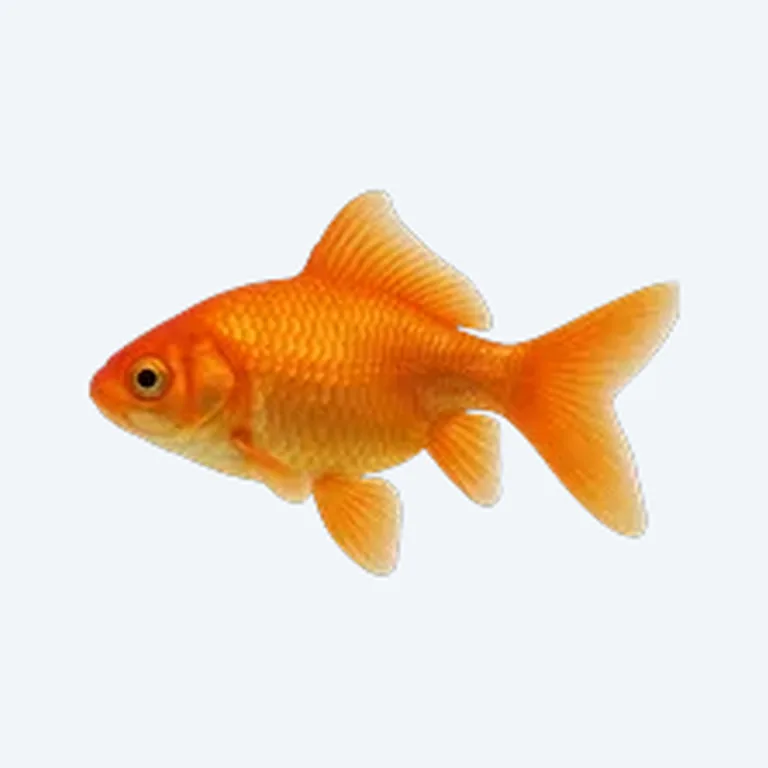
- Temperature is the gatekeeper: goldfish thrive at 10-22 °C (50-72 °F). Any species that needs 24 °C+ is simply incompatible - full stop.
- Best tank mates: other goldfish (matched in size and fin type), White Cloud Mountain Minnows, Weather Loaches, and - with caveats - Bristlenose Plecos.
- Minimum tank size: 150 L (40 US gal) for a pair of common or comet goldfish before you add any companions.
- Goldfish are messy: high ammonia output means any tank mate must tolerate elevated bioload and the frequent water changes that come with it.
- Fancy vs. single-tail matters: slow-swimming fancy varieties (Orandas, Ryukins) get outcompeted at feeding time by faster fish - including faster goldfish.
- What to skip: neon tetras, guppies, cichlids, and anything sold as a "tropical community fish" - the temperature overlap simply isn't there.
Pairing Common Goldfish with something specific? Our fish compatibility checker compares any two of 815 species on water parameters, predation risk, fin nipping, temperament and tank size - and draws them both at life size so you can see the difference.
Why goldfish tank mates are harder to get right than most guides admit
Walk into any fish store and you'll see goldfish sitting in tanks next to Tiger Barbs or Mollies. That's a retail display, not a care recommendation. The honest reason goldfish compatibility is tricky comes down to three things working against each other simultaneously: temperature range, water quality demands, and the sheer size difference between goldfish varieties.
Most "compatible species" lists online copy each other and bury the nuance. This guide doesn't. If a species has real conditions attached to it working, you'll hear them.
Understanding the goldfish water window
Common and comet goldfish (Carassius auratus) are coldwater fish. Their comfortable range is roughly 10-22 °C (50-72 °F), and they can handle temperatures outside that band temporarily, but sustained warmth above 23-24 °C stresses their immune systems and accelerates metabolism in ways that shorten their lifespan. Fancy varieties - Orandas, Ranchu, Telescope-eye - tend to sit in the upper half of that range (18-22 °C / 64-72 °F) and don't cope as well with the colder end.
Any tank mate you consider needs to live comfortably inside that same window. That rules out the vast majority of fish sold for freshwater community tanks, which are tropical species requiring 24-28 °C (75-82 °F). Understanding your water parameters properly - pH, hardness, temperature - is the starting point for any stocking decision. Our aquarium water parameters guide covers the full picture.
Goldfish produce ammonia at a rate most people underestimate. A single adult comet in a 150 L tank generates more biological waste than three or four small tropical fish. Before adding any tank mates, your filtration and nitrogen cycle need to be fully established and running with headroom to spare.
The compatible species - and the honest conditions attached
Other goldfish
The most reliable goldfish tank mate is another goldfish - but only if you match them correctly. Mix a fast single-tail comet with a slow-swimming Oranda and the Oranda will lose food at every meal. Over weeks, you'll see it become thinner, more lethargic, and eventually sick. Keep single-tails with single-tails (commons, comets, shubunkins) and fancies with fancies.
Size also matters. Goldfish have no moral objection to eating a fish small enough to fit in their mouth. A 25 cm (10 in) comet will eventually eat a 3 cm companion - not out of aggression, just opportunism. Stock similar sizes and you remove the problem entirely.
For a pair of common or comet goldfish - add at least 40-50 L per additional fish, more if you're stocking tank mates alongside them.
White Cloud Mountain Minnows (Tanichthys albonubes)
This is the standout compatible choice. White Clouds are genuinely coldwater fish, comfortable from 14-22 °C (57-72 °F), and they're fast enough to avoid being harassed or accidentally eaten. Keep them in a school of at least six - they're shoaling fish and become anxious when kept in smaller numbers.
The practical caveat: juvenile White Clouds are small enough that a large goldfish might treat them as food. Introduce them as adults (2-3 cm+) and into a tank with enough visual complexity that they can move freely. With fancy goldfish that swim slowly, the risk is lower. With comets, watch feeding time closely for the first week.
White Clouds thrive in the same pH range as goldfish - 6.5-7.5 - and prefer similar water hardness. They're undemanding, rarely ill, and make a genuinely good first experience of keeping a multi-species tank. For anyone newer to the hobby, they're among the best beginner fish you can keep.
Weather Loach (Misgurnus anguillicaudatus)
Weather Loaches are often overlooked in goldfish setups, which is a shame. They're coldwater bottom-dwellers comfortable at 10-23 °C (50-73 °F), peaceful, and they'll actively eat leftover food and debris that goldfish miss - a practical bonus given how messily goldfish eat. They grow to 20-30 cm (8-12 in) so they're never going to be mistaken for food.
What most guides miss: Weather Loaches are active and can be surprisingly boisterous, which occasionally startles fancy goldfish. They also like to burrow, so a sandy or fine-gravel substrate is better than coarse gravel that can trap food and waste. Given their size, they need proper tank space - don't add one to a 150 L tank that's already at stocking capacity.
Bristlenose Pleco (Ancistrus spp.)
Bristlenose Plecos are the most contested goldfish companion in the hobby, and the debate is legitimate. They're often recommended as algae cleaners, and they do work at temperatures as low as 20 °C (68 °F) - which puts them at the warm end of a goldfish tank but within range.
The problems are real, though. Bristlenose Plecos are known to rasp at the slime coat of slow-moving goldfish, particularly at night when both species are less active. This is not universal behaviour - some keepers run them together for years without incident, others report damage within weeks. Fancy goldfish with large, soft fins (Orandas, Telescope-eyes, Ryukins) are at higher risk than streamlined single-tails.
If you want to try it: keep the Pleco well-fed with sinking algae wafers and zucchini so it's not foraging desperately, and watch for any slime coat damage or unusual goldfish behaviour in the first few weeks.
The aquarium trade loves to sell Bristlenose Plecos as universal algae cleaners. In a goldfish tank, they're more of a calculated risk than a straightforward solution. If you're after a tank cleaner, a good gravel vacuum and consistent water changes will do more for your water quality than any fish. See how often you actually need to do those water changes in our water change frequency guide.
Species that don't work - and why
Most incompatibility comes down to temperature, but there are other failure modes worth naming.
Tropical tetras (Neons, Cardinals, Rummy-noses): These are 24-28 °C fish. In a goldfish tank at 18-20 °C they'll survive short-term but become progressively more susceptible to ich and bacterial infections. The temperature mismatch isn't a minor inconvenience - it's a welfare issue.
Guppies and livebearers: Same problem. Guppies also need harder, slightly alkaline water and do not do well in the low-to-neutral pH that suits most goldfish tanks. Mollies in particular need warmer water than goldfish can provide.
Cichlids: Aside from temperature conflicts (most cichlids want 24-27 °C), many cichlids are territorial and will harass goldfish relentlessly. Even smaller species like German Blue Rams stress fish that don't understand or respond to cichlid territorial signals.
Small shrimp (Neocaridina, Amano): Goldfish eat shrimp. There's no stocking strategy that changes this - a goldfish will find and eat every shrimp in a tank eventually. Cherry shrimp are not tank mates; they're a snack.
Aquatic snails: Acceptable in principle, with caveats. Mystery Snails (Pomacea bridgesii) can work in cooler water and are large enough that most goldfish ignore them. Ramshorns and pond snails will be eaten or crushed.
Adding tank mates to solve a problem - like buying a Pleco to handle algae or a loach to eat leftover food - rather than addressing the root cause. Overstocking and overfeeding are the real drivers of both. More fish means more waste, more ammonia, and a harder water quality balance to maintain. Use the free stocking calculator to check your bioload before adding anything new.
Practical stocking combinations that actually work
Here are three setups that are genuinely workable rather than theoretically possible:
Single-tail community (200 L+): 2-3 comets or shubunkins + a school of 8-10 White Cloud Mountain Minnows. The Minnows occupy mid-water and upper zones the goldfish ignore, feeding competition is minimal, and both species sit comfortably at 16-20 °C.
Fancy goldfish setup (150 L+): 2 Orandas or Ranchu + 1 Weather Loach. The loach handles substrate debris without competing for surface feeding, and its size means it's never at risk from the goldfish. Temperature target: 18-20 °C (64-68 °F).
Coldwater species-only (150 L+): 2-3 common goldfish, full stop. This is often the most successful setup long-term. Goldfish are social with their own kind, don't need tank mates to be healthy, and a species-only setup is far easier to manage water quality in.
Before you add tank mates: get the basics right
None of the above works if your tank isn't cycled. A goldfish-only tank already carries a heavy bioload - adding more fish into an immature filter is a fast route to ammonia spikes and disease. If your tank is new, cycle it properly before stocking anything.
Quarantine new fish for 2-4 weeks before introducing them to your main tank. Goldfish are susceptible to ich and bacterial infections, and White Cloud Mountain Minnows can carry parasites that show no symptoms until the fish is stressed. A simple 40-60 L quarantine tank saves you from treating a fully stocked display tank.
App-aquatic lets you log water tests, track stocking lists across multiple tanks, and set reminders for water changes and treatments - useful if you're managing a quarantine tank alongside your main setup. You can grab it at app-aquatic.com.
Track your parameters and get care reminders with App-aquatic.
Get the free appCan goldfish live with tropical fish if I keep the temperature in the middle?
No - not sustainably. A "compromise" temperature of around 22-23 °C sits at the top of what goldfish tolerate and the bottom of what most tropicals need. Both species end up stressed, and immune-suppressed fish get sick faster. There's no middle ground that works for both long-term.
Will goldfish eat White Cloud Mountain Minnows?
Adult White Clouds (2.5-3 cm) are generally too fast to catch and slightly too large for most goldfish to bother with. Juveniles are at higher risk. Buy adults, not fry, and the combination is reliable in practice.
Can I keep a Bristlenose Pleco with fancy goldfish?
It's possible but not risk-free. Bristlenose Plecos can rasp at the slime coat of slow-moving fancy varieties - Orandas and Telescope-eye goldfish are most vulnerable. Feed the Pleco well so it's not food-desperate, and monitor your goldfish closely for the first few weeks. If you see any slime coat damage or fin lesions, remove the Pleco.
How many goldfish can I keep with tank mates in a 200 L tank?
For common or comet goldfish, 2-3 fish is the realistic maximum in 200 L once you account for their bioload. Adding a school of White Cloud Minnows on top of that is workable - they contribute relatively little to ammonia output. Adding a Weather Loach would push the filtration requirements significantly and would need very strong filtration and consistent water changes.
Do goldfish need tank mates to be happy?
No. Goldfish are social with other goldfish, not with fish in general. A pair of well-matched goldfish in a properly sized tank is a complete, healthy setup. Tank mates add visual interest for the keeper more than welfare benefit for the fish - which is fine, but go in with that expectation rather than thinking the goldfish need companions.