Compatibility
Can Goldfish Live With Tropical Fish?
Last updated: May 2026
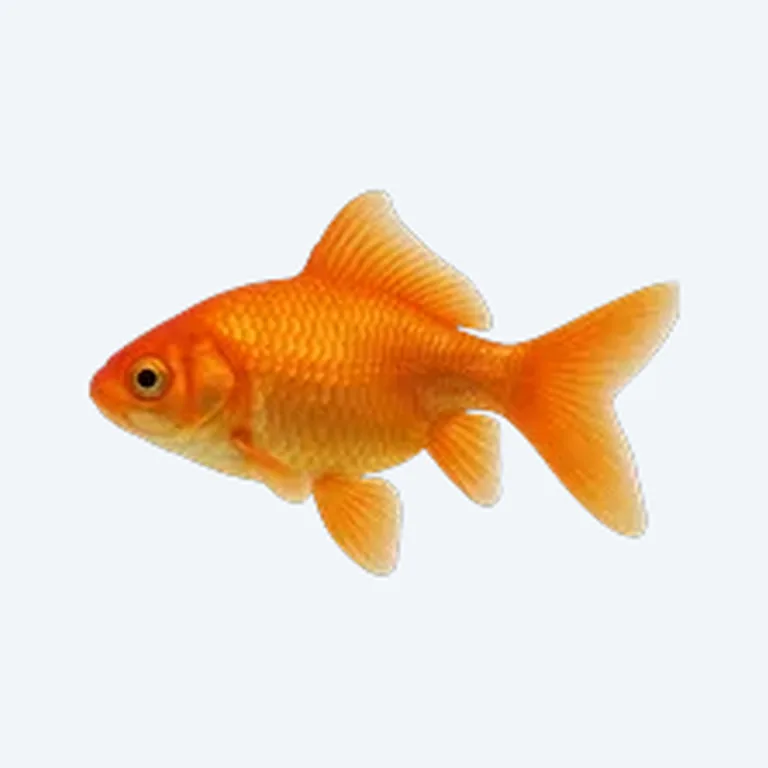
- Short answer is no: Goldfish thrive at 18-22°C (64-72°F). Most tropical fish need 24-28°C (75-82°F). That gap causes chronic stress for one side or the other - and chronic stress kills fish slowly.
- The temperature problem is non-negotiable: Running your tank warm enough for tropicals suppresses a goldfish's immune system over months. Running it cold enough for goldfish leaves most tropicals lethargic and disease-prone.
- Goldfish are also heavy waste producers: They need more frequent water changes and higher filtration capacity than most tropical community tanks are set up for.
- There is one genuine exception: White Cloud Mountain Minnows (Tanichthys albonubes) are a coldwater species that shares goldfish temperature requirements - they work in an unheated tank.
- Some fish survive the mix but don't thrive: Survival and health are different things. A tropical fish that "seems fine" at 20°C is often immunocompromised and short-lived.
- Before you stock anything: Check the full parameter overlap with the free stocking calculator - temperature is the first filter, not an afterthought.
Pairing Common Goldfish with something specific? Our fish compatibility checker compares any two of 815 species on water parameters, predation risk, fin nipping, temperament and tank size - and draws them both at life size so you can see the difference.
Why the temperature gap is the real problem
Most beginners hear "goldfish are hardy" and assume that means flexible. It doesn't. Goldfish - whether common, comet, or fancy varieties - are temperate fish. Their metabolism, immune function, and digestive rate are calibrated for cool water. The sweet spot for long-term health is 18-22°C (64-72°F), with fancies generally sitting at the warmer end of that range.
Tropical community fish - your tetras, gouramis, rasboras, livebearers - want 24-28°C (75-82°F) to stay healthy. That's a minimum 2°C gap at best, and often 6°C or more in practice. It doesn't sound dramatic until you understand what temperature actually does to a fish.
Fish are ectotherms. Their body temperature matches the water. Every biochemical process - enzyme activity, immune response, digestion - runs faster or slower depending on water temperature. Run a goldfish at 26°C long-term and its metabolism is permanently in overdrive. The immune system can't keep up. You'll see more disease, faster aging, and a significantly shortened lifespan. A goldfish that could live 10-15 years in a proper pond or coldwater setup might survive 3-4 years in a tropical tank before disease takes it.
The reverse is equally damaging. A neon tetra at 20°C isn't just "a bit cold" - it's spending energy trying to maintain basic function in water that's too cool for its physiology. Low temperatures suppress immune systems in tropical fish just as effectively.
Pet shops sometimes display goldfish in the same room temperature water as unheated tropical tanks. That's a retail convenience, not a care recommendation. Fish that survive transport and display conditions aren't necessarily thriving - they're tolerating short-term stress.
The waste problem nobody talks about enough
Even if you could solve the temperature issue, goldfish and tropical community fish have very different filtration demands. Goldfish are messy. Genuinely, disproportionately messy compared to their body size. They produce far more ammonia than a typical tropical fish of equivalent size, partly because they're large fish and partly because they eat constantly and digest inefficiently.
A well-filtered goldfish tank needs turnover rates of 8-10 times the tank volume per hour. Most tropical community setups run at 4-6x. If you're mixing species, your filtration is either doing too much water movement for small tropicals or not enough for the goldfish. Understanding how the nitrogen cycle works tells you why this matters - ammonia and nitrite spikes happen faster when bioload is high, and goldfish bioload is consistently high.
Most goldfish keepers run 8-10x tank volume per hour - double what many tropical community tanks are filtered at.
Water change requirements also diverge. A lightly stocked tropical tank might need a 25-30% change weekly. A goldfish tank needs more - often 30-50% weekly, sometimes more if you're keeping fancies at higher density. If you're calibrating your maintenance schedule around one group, the other suffers. See the guide on how often to do water changes if you're unsure what your current setup actually needs.
What about pH and water hardness?
This is less of a hard barrier than temperature, but it still matters. Goldfish prefer slightly alkaline, moderately hard water - pH 7.0-7.4, general hardness 100-250 ppm. Many tropical species - particularly soft-water fish like discus, most tetras, and dwarf cichlids - want pH 6.0-7.0 and soft water below 100 ppm GH.
Some tropical fish are adaptable enough that pH overlap isn't the main argument against mixing. Livebearers, for instance, prefer hard alkaline water similar to goldfish. But you still can't get around temperature, so this becomes a secondary concern rather than a dealbreaker on its own.
Check your aquarium water parameters guide for the full breakdown of what each parameter actually means and how to test accurately.
The species that actually work with goldfish
There aren't many, which is why any list that gives you ten options is probably padding it.
White Cloud Mountain Minnows
Tanichthys albonubes are the genuine answer here. They're native to mountain streams in southern China and prefer 16-22°C (61-72°F) - a direct overlap with goldfish temperature requirements. They're peaceful, active in the upper water column, and fast enough to avoid goldfish harassment. A school of 8-10 white clouds in a coldwater tank with goldfish is one of the few mixed setups that actually works long-term.
The caveat: white clouds max out at around 4 cm (1.5 inches). If your goldfish are large common or comet types, the minnows may eventually become an expensive snack. Fancy goldfish, being slower swimmers, tend to leave them alone more reliably.
Hillstream loaches
Several hillstream loach species (Beaufortia spp., Gastromyzon spp.) come from fast-moving, cool, well-oxygenated streams and tolerate temperatures down to 18-20°C. They're oddly shaped, algae-grazing, and spend their time on glass and rocks - goldfish generally ignore them. Suitable for experienced keepers willing to meet their specific flow and oxygen requirements.
Dojo loaches
Misgurnus anguillicaudatus are a coldwater species that work with goldfish in larger tanks. They get to 20-30 cm (8-12 inches) though, so they need space, and they're escape artists - any gap in your lid becomes a problem.
Most "goldfish tankmate" lists you'll find online include fish like bristlenose plecos or zebra danios. Plecos are tropical and need 23-27°C. Danios can tolerate cooler water but prefer 20-24°C - at the very top of a goldfish's comfort range, not the middle. These fish survive the pairing, not thrive. The hobby has normalised this compromise because the fish don't die immediately, but "not dead yet" isn't the standard you should be keeping fish to.
The tankmates that look like they work but don't
A few combinations are common enough that they deserve a direct call-out.
Zebra danios
Frequently recommended because danios are tough and can handle temperatures down to 18°C. The problem is twofold: their preferred range is 20-24°C, which sits at the warm limit for goldfish, and danios are known fin-nippers when schooling instincts kick in. Fancy goldfish with flowing fins are easy targets. The combination works better than most tropicals, but it's not ideal for either species.
Common plecos
Hypostomus plecostomus need 22-28°C, full stop. They also grow to 45-60 cm (18-24 inches) - far too large for most home aquariums - and have been documented rasping the slime coat off goldfish when underfed. This combination is a mistake on two separate levels.
Rosy barbs
Pethia conchonius are subtropical and can handle 18-22°C, making them one of the more defensible choices. But they're fin-nippers in groups, and fancy goldfish with elaborate finnage will suffer. With short-finned goldfish varieties and a large school (8+) to dilute aggression, it's workable - but you're managing problems rather than avoiding them.
Most people who mix goldfish and tropicals do it because the fish looked good together in the shop, then spend months troubleshooting disease without connecting it to the temperature compromise. If your goldfish keeps getting bacterial infections or your tropicals seem perpetually lethargic, temperature stress is the first thing to check - not the last.
Setting up a proper coldwater community
If you want goldfish, commit to a coldwater setup and stock it properly. The principles are straightforward:
Tank size: Single-tailed goldfish (commons, comets) need at minimum 120 litres (30 US gallons) for the first fish and 40+ litres for each additional fish. Fancy varieties are slower and somewhat more compact - 75 litres for the first fish is a workable starting point. Don't size down because the fish is small now; goldfish grow.
Filtration: Canister or sump filtration is the practical answer for goldfish. Internal filters struggle to keep up with the bioload. Run biological media as the priority. If you've never set up a tank before, start with how to cycle a fish tank before you add any fish.
Temperature management: In most homes, an unheated tank in a room that stays around 18-22°C is fine for goldfish. If your house gets cold in winter (below 15°C), you may need a low-wattage heater set to 18°C as a floor. Above 24°C consistently, you need a chiller or you need to reconsider the setup.
Companions: White cloud minnows in a school of 8-10 are the safest bet. Add hillstream loaches if you want bottom interest and can meet their flow requirements. Keep the species list short and the tank well-filtered.
App-aquatic lets you log water temperature over time alongside your test results, so you can spot seasonal drift before it becomes a problem. Goldfish tanks in unheated rooms can fluctuate more than people realise across summer and winter.
If you're set on a tropical tank
Rehome the goldfish and do it properly. A heated 26°C community tank with beginner-friendly tropical species - platies, corydoras, ember tetras, harlequin rasboras - is genuinely easier to maintain than a mixed setup you're constantly fighting against. Goldfish are rewarding fish, but they belong in a goldwater setup where their needs come first, not compromised into a tropical community that doesn't suit them.
If you've inherited or been given a goldfish and already have a tropical tank, the honest answer is: get a second tank or find the goldfish a new home. Keeping two incompatible setups running simultaneously is the right answer here, not squeezing both into one tank and hoping for the best.
Track your parameters and get care reminders with App-aquatic.
Get the free appCan goldfish live with tropical fish if I keep the temperature in the middle?
No. There's no middle temperature that works for both. At 23°C, goldfish are running too warm for long-term health and most tropicals are at their lowest tolerable limit. You end up with two groups of stressed fish instead of one healthy community. Compromise temperatures are the most common cause of slow, hard-to-diagnose health decline in these mixed tanks.
Can goldfish live with guppies?
Guppies need 22-28°C, with 24-26°C being their real sweet spot. That's too warm for goldfish long-term. There's also a size mismatch - goldfish will eat adult guppies once large enough, and will absolutely eat fry. This combination is sold in pet shops without much scrutiny, but it doesn't serve either fish well.
What fish can I keep with fancy goldfish specifically?
Fancy goldfish are slower and more vulnerable than single-tailed varieties, so the companion list is even shorter. White Cloud Mountain Minnows are the most reliable choice - fast enough to avoid being eaten, peaceful enough not to harass. Avoid anything nippy. Dojo loaches work in large tanks but reach a size that can stress slower fancy varieties.
My goldfish has been in a tropical tank for two years and seems fine - why is this a problem?
"Seems fine" is doing a lot of work in that sentence. Goldfish under chronic temperature stress typically show suppressed immune systems - more frequent bacterial infections, increased susceptibility to ich, and gradual lethargy. The damage is cumulative. A goldfish that could live 15 years in appropriate conditions may look acceptable at year two of a tropical setup and be noticeably declining by year four. Short lifespans in goldfish are often normalised when they're actually preventable.
Are there any tropical fish that tolerate goldfish temperatures?
Very few. White clouds aren't tropical - they're the standard recommendation precisely because they're a coldwater species. Rosy barbs can handle the low end of goldfish temperature ranges but are fin-nippers. Paradise fish (Macropodus opercularis) tolerate cool water but are aggressive and unsuitable for community tanks. The honest answer is that the overlap between "genuinely tropical" and "goldfish-compatible temperature" is nearly empty.