
Compatibility
Can Guppies Live With Bettas?
Last updated: May 2026
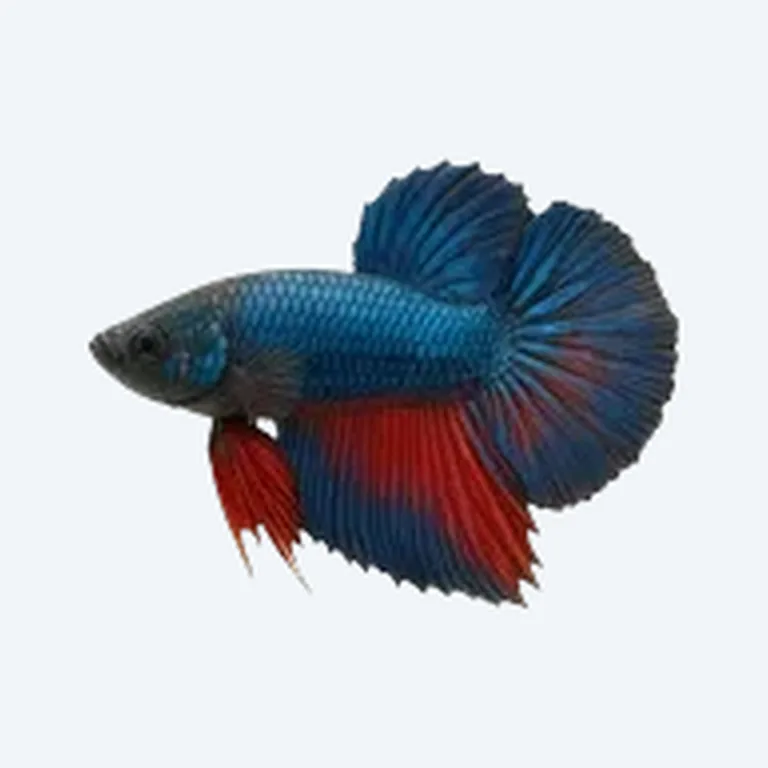
- Usually no: A male betta will almost always attack male guppies - their flowing fins and bright colours trigger the same aggression response as a rival betta.
- Female guppies are safer: Drab, short-finned females are far less likely to provoke a betta, but individual temperament still varies.
- Tank size matters: Anything under 60 litres (15 gallons) makes cohabitation very difficult - there isn't enough space to break line of sight.
- Water parameters overlap: Both species prefer 24-28 °C (75-82 °F) and pH 7.0-7.8, so chemistry isn't the obstacle - behaviour is.
- Always have a backup: Before you try this pairing, have a second cycled tank or a divider ready. This isn't optional caution, it's basic planning.
- Some keepers succeed: Dense planting, a well-fed betta, and a large tank can work - but failures are common enough that this pairing is genuinely risky.
Checking Guppy against Betta (Male)? Our fish compatibility checker compares any two of 815 species on water parameters, predation risk, fin nipping, temperament and tank size - and draws them both at life size so you can see the difference.
Why bettas attack guppies
Male bettas (Betta splendens) are hardwired to treat anything with bright colours and long, flowing fins as competition. In the wild, that response is directed at other male bettas. In a tank, a male guppy's ornate tail reads as close enough. Studies on betta aggression have repeatedly shown that fin shape and iridescent colouration - not just movement - are the visual triggers that prompt flaring and attacks.
This isn't a personality flaw you can train out of a betta. It's instinct. Some individual bettas are more relaxed than others, and a few keepers have long-running guppy-betta tanks that work fine. But those are the exceptions, not the rule, and you won't know which kind of betta you have until it's already happened.
Most "it worked for me" stories online come from people watching their tank for an hour after introduction and declaring success. Betta aggression often ramps up over days or weeks as the novelty wears off and territory becomes established. A peaceful first day means nothing.
The fin shape problem explained
Male guppies (Poecilia reticulata) have been selectively bred for decades to produce exactly the kind of finnage that antagonises bettas: wide, flowing fantails in metallic colours. Varieties like Moscow Blues, Cobra Guppies, or Dumbo Ear guppies are essentially engineered to look like threats to a betta's territory.
Female guppies are a different story. They're typically olive-grey, compact, and short-finned. A betta often ignores them entirely - though not always. Some male bettas will harass females too, particularly if the tank is small or the betta is unusually aggressive.
Male guppies have been bred for exactly the wide, flowing, metallic finnage a betta reads as a rival male. Females are typically short-finned and olive-grey, and are often ignored. No reliable success-rate data exists for this pairing, so treat fin shape, tank footprint and an escape plan as the things you actually control.
When cohabitation has a chance
There are conditions that genuinely improve the odds. None of them guarantee success, but stacking them gives you a fighting chance.
Tank size
A 60-litre (15-gallon) tank is the realistic floor. A 100-litre (25-gallon) or larger is where keepers start reporting consistent success. More water means more territory, and territory is what this is fundamentally about. A betta in a 40-litre tank with nowhere to retreat from guppies - or guppies with nowhere to escape a betta - is a recipe for constant stress on both sides.
Dense planting and visual breaks
This is the single most effective intervention. Tall stem plants like Hygrophila polysperma or Vallisneria, floating plants like Amazon frogbit, and hardscape that breaks up sightlines all reduce the frequency of aggressive encounters. The goal is that the betta cannot see the guppies from every point in the tank at once. If the betta can patrol and see the guppies constantly, stress and aggression compound.
Introduce them simultaneously
Adding guppies to an established betta tank puts them straight into his territory. If you're starting fresh, add both species at the same time to a new tank. This doesn't eliminate aggression but removes the "resident defending territory" dynamic that makes it worse.
Feed the betta well
A well-fed betta is a slightly lazier betta. Hunger increases foraging aggression. This isn't a solution on its own, but it's a useful variable to control.
If you're using females to keep aggression low, avoid adding more than 4-5 guppies in a smaller tank. Large groups stress the betta in a different way - constant movement and activity can keep him in a permanent state of high alert.
Water parameters: the one thing that does align
The chemistry overlap between bettas and guppies is genuine and worth acknowledging. Both species are tropical, both prefer warm water, and their pH tolerances overlap significantly.
Bettas do best at 26-28 °C (79-82 °F). Guppies are comfortable between 22-28 °C (72-82 °F), with the upper end of that range matching the betta's preference well. Keep the tank at 26-27 °C (79-81 °F) and both species will be comfortable. Drop below 24 °C (75 °F) and the betta becomes lethargic and more prone to illness.
pH should sit between 7.0 and 7.8. Both species will tolerate slightly alkaline water without complaint. Guppies actually thrive with a little hardness - GH of 8-12 dGH suits them well, and bettas handle moderate hardness fine. For full parameter guidance, see our aquarium water parameters guide.
Bettas are labyrinth fish and need access to the surface to breathe air. Heavy floating plant coverage can restrict this. Leave a clear area at the surface - don't carpet it completely with frogbit or water lettuce.
What most guides miss
Guppy fry are a food source
If you're keeping females, understand that guppies breed prolifically. A single female can drop 20-50 fry every 4-6 weeks after a single mating, and she can store sperm for months. A betta will eat guppy fry. Some keepers use this deliberately as supplemental feeding; others consider it a welfare problem. Either way, your tank population can spike fast if you're not removing pregnant females to a separate breeding tank.
Guppy fin-nipping goes both ways
The conversation almost always focuses on the betta attacking guppies, but guppies are opportunistic fin-nippers too. A betta with long, slow fins is a tempting target for a group of guppies. If the betta is already stressed, damaged fins become an infection risk - fin rot can follow quickly. This is a problem that tends to develop gradually and get missed until the damage is significant.
Betta sex matters less than you'd think for guppies
Female bettas are often suggested as an easy solution, but this oversimplifies things. Female bettas have a pecking order of their own and can be aggressive toward guppies too, particularly in smaller tanks. They're generally less reactive to male guppy colouration, but "generally" is doing a lot of work in that sentence. You still need a large, well-planted tank and a backup plan.
Buying male fancy guppies because they're prettier, then adding them to a betta tank and hoping for the best. The finnage on a show-quality male guppy is specifically what triggers betta aggression. If you're committed to trying this mix, start with female guppies or plain-finned males - not the ones that look like a betta's rival.
Monitoring and what to watch for
If you do attempt this pairing, daily observation for the first two weeks is non-negotiable. You're looking for:
- Fin damage on guppies - small nips at the tail edge, ragged fins, or a tear that grows over days.
- Clamped fins on the betta - a sign of stress, not just aggression.
- Hiding behaviour - guppies that refuse to leave one corner of the tank are being harassed, even if you haven't seen the attacks directly.
- Loss of appetite - either fish refusing food is a stress indicator worth taking seriously.
- Betta spending all his time patrolling - constant territorial behaviour exhausts the fish and suppresses immune function over time.
Keep your water quality tight. Stressed fish are far more susceptible to ich, fin rot, and bacterial infections, so regular water changes matter more in a tense tank. See our guide on how often to do water changes if you're unsure of your routine. If you're still cycling your tank, read the how to cycle a fish tank guide before adding any fish - adding stress to an uncycled tank accelerates every problem here.
App-aquatic lets you log water tests and set care reminders, which is genuinely useful when you're monitoring a tricky pairing like this - small parameter drifts compound quickly when fish are already stressed.
The honest verdict
Male guppies with a male betta: don't do it without a solid reason to think your specific betta is unusually calm, and even then, keep that backup tank cycled and ready. The risk isn't worth the visual payoff when there are better tankmates available.
Female guppies with a male betta: possible with the right setup - 60+ litres, dense planting, and careful observation. Not a beginner combination, but manageable for someone who's been keeping fish for a while and knows what stress signs look like.
If you're a newer keeper looking for peaceful community options, bettas do better with species that don't trigger aggression: corydoras, small tetras with short fins like neon tetras, snails, and shrimp (with caveats on shrimp). Check the best fish for beginners guide for genuinely compatible options. Run any combination through the free stocking calculator before you buy.
The aquarium trade sells guppies and bettas in adjacent tanks, which implies they belong together. They don't. The tanks are adjacent because they're both popular and hardy, not because they're compatible. Don't let shop placement make your stocking decisions.
Track your parameters and get care reminders with App-aquatic.
Get the free appCan I put female guppies with a male betta?
Possibly, with the right setup. Female guppies are drab and short-finned, so they're less likely to trigger aggression than males. You still need a tank of at least 60 litres (15 gallons), dense planting, and a willingness to separate them if it doesn't work. Some betta individuals will harass females regardless of their appearance - there's no way to predict this without trying.
My betta ignored the guppies for the first few days - is it safe now?
Not necessarily. Betta aggression often escalates as the fish settles into its territory and the novelty of new tank-mates fades. A calm first 72 hours is encouraging but not a guarantee. Watch closely for at least two full weeks before relaxing your monitoring.
Will a bigger tank fix the aggression problem?
A larger tank significantly reduces it but doesn't eliminate it. In a well-planted 100-litre (25-gallon) tank with visual breaks, many bettas will stake out a territory and largely leave guppies alone. In a 40-litre tank, there's nowhere for either fish to get away from the other, and stress compounds fast. Size helps - it's just not a guaranteed solution.
What temperature should I keep the tank at for both species?
26-27 °C (79-81 °F) sits within the comfortable range for both species. Bettas need at least 24 °C (75 °F) to stay healthy - they get lethargic and immune-suppressed in cooler water. Guppies tolerate a wider range but do well at the same temperature.
What are better tankmates for a betta than guppies?
Corydoras catfish, harlequin rasboras, ember tetras, nerite snails, and mystery snails all tend to work well with bettas. Small shrimp like cherry shrimp can coexist with calmer bettas but get eaten by more predatory ones. Avoid anything with long, flowing fins - male endlers, paradise fish, and fancy mollies carry the same risk as male guppies.