
Fish care
Otocinclus: Complete Care Guide
Last updated: May 2026
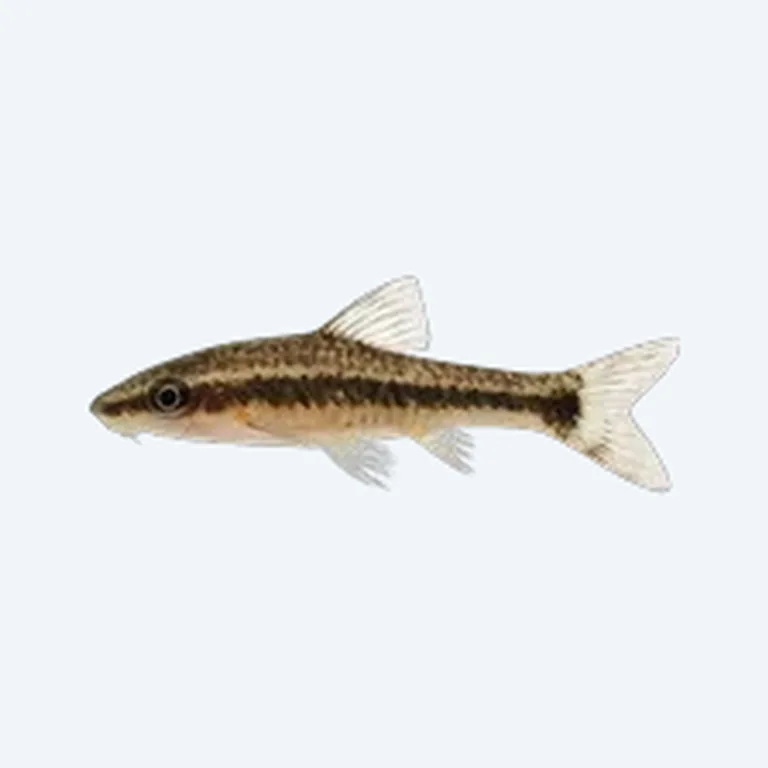
- Mature tank only: Otocinclus need established algae and biofilm (Aufwuchs) to survive - never add them to a tank cycled less than 6-8 weeks.
- Groups of six minimum: Solitary ottos become stressed and stop eating. Six is the floor; eight to ten is better.
- Supplement their diet: Even a well-algaed tank won't sustain a group long-term. Blanched zucchini, cucumber, and spinach need to be on the weekly rotation.
- Water quality is non-negotiable: They're intolerant of ammonia and nitrite spikes. Keep nitrates below 20 ppm and temperature between 20-27°C (68-81°F), pH 6.0-7.5.
- Buy carefully: Chain-store ottos are often starved in transit. Look for rounded (not concave) bellies and active rasping before you pay.
- Minimum tank: 60 L (16 US gal) for a group, more if you're keeping other fish alongside them.
What actually makes Otocinclus tricky
On paper, Otocinclus spp. look like the perfect community fish - small, peaceful, industrious algae eaters. In practice, they're responsible for a staggering amount of quiet, confusing deaths in otherwise healthy tanks. The fish didn't fail. The setup did.
The core problem is that most people treat ottos like plecos: buy a couple, drop them in, let them clean the glass. That works for a bristlenose. It doesn't work for Otocinclus. These are schooling microfish from South American rivers who graze almost continuously on soft algae and biofilm. Remove that food source - or stress them by keeping them alone - and they decline fast, often without obvious symptoms until it's too late.
Get the setup right first, and they're genuinely rewarding fish: active during the day, fun to watch in a group, and actually useful at controlling soft green algae on glass and plant leaves.
Most of the ottos sold in pet shops are wild-caught, have been through multiple export and import holding facilities, and arrive in stores already underfed. Some won't make it regardless of what you do. Buy from a reputable retailer with healthy stock, quarantine new arrivals, and accept that occasional losses in the first few weeks aren't always your fault - but skipping the mature-tank rule usually is.
Tank requirements
Size and setup
A 60 L (16 US gal) tank is the practical minimum for a group of six, and that's tight. If you're combining ottos with other fish - a common scenario - aim for 80-100 L (21-26 US gal) or more. These fish spend most of their time on flat surfaces: glass, broad-leaved plants like Anubias and Echinodorus, driftwood, and hardscape. A longer, shallower footprint serves them better than a tall column tank of the same volume.
Dense planting helps in two ways: it grows the algae and biofilm they need, and it gives them somewhere to retreat when they want to feel secure. Anubias is particularly good because its thick, slow-growing leaves develop a reliable biofilm coat. Java fern and broad-leaved stem plants work well too.
Water parameters
Otocinclus come from soft, slightly acidic South American waters, but captive specimens adapt to a reasonable range. Keep temperature between 20-27°C (68-81°F), pH between 6.0-7.5, and hardness on the softer side where possible (up to around 15 dGH is generally fine). What they genuinely cannot tolerate is poor water quality. Ammonia or nitrite at any detectable level is dangerous. Nitrates above 20-25 ppm cause chronic stress over time.
If you're not yet confident about what those numbers mean in practice, the aquarium water parameters guide covers the full picture.
Your tank needs a full nitrogen cycle and visible algae growth before these fish have any chance of thriving.
The mature tank rule - and why it matters more than anything else
This is where most losses happen. A new tank, even a fully cycled one, has almost no Aufwuchs - the invisible layer of algae, microorganisms, and biofilm that Otocinclus depend on for nutrition. Cycling a tank takes two to four weeks; building genuine Aufwuchs takes longer, especially in a clean, well-maintained setup.
The minimum realistic wait before adding ottos is six to eight weeks from first setup, and longer is better. You want to see soft green algae growing on the glass and decorations before these fish go in. If your tank looks spotless, it's not ready. Here's how to cycle a fish tank if you're still in that stage.
Don't confuse "cycled" with "mature." A tank can process ammonia perfectly and still have nothing for ottos to eat. Beneficial bacteria live in your filter media. Aufwuchs lives on surfaces. They develop on different timelines.
Feeding Otocinclus properly
Natural grazing versus supplementary feeding
In a well-established, planted tank, ottos will graze more or less continuously. But even a heavily planted 80 L tank with a healthy algae layer can't sustain a group of eight indefinitely - they're efficient. Once they've grazed a surface clean, that patch takes time to recover. If they run out of food, they don't look distressed the way a hungry cichlid does; they just quietly waste away.
Supplementary feeding is not optional. It's what keeps ottos healthy long-term, even in mature tanks.
What to feed them
The easiest supplement is blanched zucchini (courgette). Slice it thin, blanch for 60-90 seconds in boiling water, cool it down, and weight it to the bottom with a stainless steel clip or a small stone. Remove after 24 hours. Cucumber works similarly. Blanched spinach and lettuce are accepted but break down faster and can foul the water if left too long.
Some hobbyists also use algae wafers, though results are mixed - ottos prefer soft algae over compressed wafers, and in a tank with other bottom dwellers like corydoras, the wafers will often be claimed before the ottos get much. Place wafers in a spot the ottos can access without competition if you go this route.
Feed supplementary veg every two to three days, not just occasionally. Watch whether the zucchini is getting rasped - you'll see the characteristic scrape marks under magnification. No marks after 12 hours means either the piece is in a bad position or the group isn't hungry yet. Both are worth investigating.
Buying healthy Otocinclus
This deserves its own section because poor purchasing decisions are responsible for most early otto deaths.
Wild-caught Otocinclus go through a brutal supply chain: collection in South America, holding facilities, export, import, distributor, retailer. At each stage there's stress and often inadequate food. By the time they hit your local fish store, some individuals are already compromised.
Before you buy, spend a few minutes watching the tank. You want to see fish that are:
- Actively rasping on glass or decor, not just sitting motionless
- Moving around the tank with purpose
- Showing rounded, slightly plump bellies - not concave or pinched sides
- Free of white patches, torn fins, or visible ich
A concave belly is a serious red flag. It means the fish has been starving and may have internal damage that won't recover even with good care. Walk away from those tanks.
Buying just two or three ottos "to start with" and planning to add more later. They need group dynamics from day one. A lone otto, or a pair, will be permanently stressed, will hide, and will often refuse to eat supplementary food. Buy your target number upfront - six at minimum.
Tankmates
Otocinclus are genuinely peaceful and work well in most community setups. The main considerations are:
- Avoid fin-nippers and aggressive fish entirely. Ottos have no meaningful defense mechanism.
- Be careful with large plecos. Some, particularly common plecos (Hypostomus plecostomus), will bully or physically harm ottos, especially at night.
- Corydoras are excellent companions - similar water requirements, similar temperament, and they occupy different microhabitats (corys forage the substrate; ottos work surfaces).
- Small tetras, rasboras, and danios all work well in the mid-water zone above the ottos.
- Shrimp colonies coexist without problems. Ottos show no interest in adult shrimp or shrimplets.
Use the free stocking calculator to check compatibility and bioload before finalising your list. Otocinclus add very little waste for their size, but a group of eight still counts.
Water changes and ongoing maintenance
Because ottos are sensitive to nitrate accumulation, consistent water changes matter more than they do for hardier species. A 25-30% weekly change is a solid baseline for a stocked community tank. If you're testing and seeing nitrates creep above 20 ppm between changes, increase frequency or volume.
They're also sensitive to sudden parameter shifts, so always temperature-match and dechlorinate new water before adding it. A dramatic temperature swing of even 2-3°C can trigger stress responses. The water change frequency guide goes into the detail on schedules and technique.
App-aquatic's parameter logging and reminder features are useful here - tracking your test results over time makes it much easier to spot a slow nitrate creep before it becomes a problem.
Signs of a healthy group versus a struggling one
A thriving group of ottos is visible during the day, spread across different surfaces, and actively rasping. You'll occasionally see brief social interactions - a minor chase or two is normal. They rest in groups on flat leaves or the glass, and their bellies stay consistently rounded.
Warning signs to act on quickly:
- Fish hiding in the same spot for more than a day or two
- Visibly concave flanks or a "pinched" look behind the head
- Lethargy, lack of rasping activity
- Rapid gill movement suggesting oxygen stress or parasites
- White stringy feces (possible internal parasites - a known issue in wild-caught stock)
Internal parasites are common in newly imported ottos. If you're seeing white or stringy waste and the fish aren't gaining weight despite eating, a round of medication with fenbendazole or levamisole is worth considering - check current dosing recommendations from a specialist aquatic vet or experienced hobbyist source.
Quarantine new ottos for two to four weeks before adding them to your main tank. It gives stressed fish time to recover and lets you observe them closely for parasites before they're exposed to your existing stock - and before your existing stock is exposed to anything they're carrying.
Track your parameters and get care reminders with App-aquatic.
Get the free appHow many Otocinclus should I keep together?
Six is the realistic minimum. Below that, they're chronically stressed, often stop eating supplementary food, and tend to hide. A group of eight to ten in a 80-100 L tank is a better starting point if you want to see natural behaviour.
My Otocinclus aren't eating the zucchini - what's wrong?
Usually one of three things: the tank isn't mature enough and they're still finding natural algae to graze (less of a problem), the group is too small and they're too stressed to feed confidently, or the zucchini piece is in a poorly positioned spot away from where they're comfortable. Try weighting it against the glass in the area of the tank where you see them most. If a well-sized group in a mature tank still ignores it after a week of trying, check for underlying health issues.
Can I keep Otocinclus in a new tank?
No. A new tank - even a fully cycled one - lacks the biofilm and algae growth these fish need to survive. Wait at least six to eight weeks after the cycle completes, until you can see visible algae on the glass and hardscape. Adding ottos earlier almost always results in starvation within a few weeks.
Will Otocinclus eat all my algae and then starve?
In a heavily planted mature tank, probably not - algae regrows faster than most hobbyists expect. But a small, lightly planted tank with a large group can be grazed clean. This is why supplementary feeding with blanched veg every two to three days is non-negotiable regardless of how much natural algae your tank produces.
Are Otocinclus suitable for beginners?
Honestly, not as a first fish. They need a mature, stable tank, consistent water quality, and attentive supplementary feeding - conditions that take some experience to maintain reliably. They're rated intermediate for a reason. If you're just starting out, the best fish for beginners guide has better options for a first tank. Once you've got a stable six-month-old setup, ottos become a genuinely rewarding addition.