
Compatibility
Can Platies Live With Guppies?
Last updated: May 2026
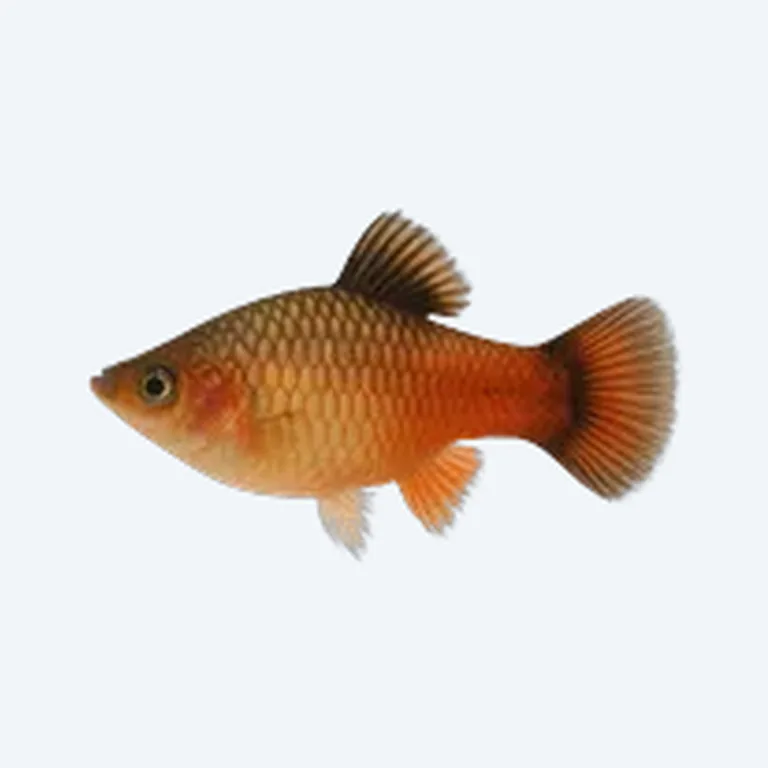
- Yes, they're compatible: platies and guppies are both peaceful livebearers with nearly identical water requirements, making them one of the most reliable community pairings in freshwater fishkeeping.
- Shared water parameters: both thrive at 22-28°C (72-82°F), pH 7.0-8.2, and moderate hardness (10-25 dGH) - you won't need to compromise for either species.
- Sex ratios matter: keep at least 2-3 females per male for both species, or males will harass females to the point of stress and death.
- Breeding is relentless: both species drop live fry every 4-6 weeks. Without a plan for the offspring, your tank will overstock itself within months.
- Minimum tank: a 60-litre (15-gallon) aquarium works for a small mixed group, but 80-100 litres gives you genuine stocking flexibility.
- Cross-breeding is possible but uncommon: platies (Xiphophorus maculatus) and guppies (Poecilia reticulata) belong to different genera, so fertile hybrids are extremely unlikely under normal aquarium conditions.
Checking Southern Platy against Guppy? Our fish compatibility checker compares any two of 815 species on water parameters, predation risk, fin nipping, temperament and tank size - and draws them both at life size so you can see the difference.
Why platies and guppies work together
Both species come from Central America and the Caribbean respectively, but they've been selectively bred for aquariums for so long that their captive care requirements have converged almost completely. They want the same temperature, the same pH band, the same water hardness. They occupy similar mid-water swimming zones, they're not fin-nippers, and neither is large enough to eat the other. There's no real territorial tension between them because neither species defends a patch of the tank.
The honest reason this pairing works so reliably for beginners is that both species are forgiving. They tolerate a wider parameter range than most fish guides admit, which means the inevitable fluctuations in a new tank don't immediately kill something. That said, "tolerant" doesn't mean you should push it. Keeping conditions stable at the right end of the range - around 24-26°C (75-79°F), pH 7.4-7.8, with regular water changes - is what keeps both species looking their best and breeding healthily rather than just surviving.
If your tap water is naturally hard and slightly alkaline, you're already in ideal territory for this pairing. Don't add pH-down products trying to hit a neutral 7.0 - both species actually prefer the harder, more alkaline end of their range.
Water parameters in detail
Getting these right from the start matters more than most beginners realise. Here's what each parameter means for this specific pairing:
Temperature
The overlap zone for both species is 22-28°C (72-82°F), but the sweet spot where both thrive long-term is 24-26°C (75-79°F). Below 22°C, guppies in particular become lethargic and more susceptible to ich. Above 28°C, dissolved oxygen drops and fish become stressed - you'll see them hanging near the surface. A reliable heater with a separate thermometer (not just the dial on the heater itself) is non-negotiable.
pH
Both species handle pH 7.0-8.2 without issue. If you're chasing "perfect" numbers, aim for 7.4-7.8. Don't obsess over hitting 7.0 exactly - that's a common beginner mistake rooted in the idea that neutral is always better. For livebearers, slightly alkaline is genuinely preferable.
Hardness
Target 10-25 dGH (general hardness). Both species come from hard, mineral-rich waters. Soft water below 8 dGH can cause issues over time - guppies in particular show higher rates of disease in soft water. If your tap water is very soft, adding crushed coral or aragonite substrate in a filter bag will raise hardness and buffer pH simultaneously.
At 25°C, both platies and guppies can drop fry on this cycle. In a mixed tank, population growth compounds quickly.
Stocking ratios and tank size
This is where most guides go vague, and where most beginners go wrong.
Sex ratios
The rule for both species is the same: minimum 2 females per male, ideally 3:1. Males of both species are persistent harassers. A lone female being pursued by multiple males won't just be stressed - she'll eventually stop eating, lose condition, and die. This isn't rare; it's a regular cause of unexplained fish loss in beginner tanks.
If you want to avoid breeding entirely, the cleanest solution is an all-male tank. Both guppies and platies produce enough colour variation in males that an all-male group is visually interesting. Just make sure there are no females present, because females can store sperm for several months and arrive at the shop already pregnant.
Tank size
A 60-litre (15-gallon) tank is a workable minimum for 6-8 fish - say, 4 guppies and 4 platies in a 2:1 female-to-male ratio. For a more comfortable, visually appealing setup with some flexibility for plants and other tank mates, 80-100 litres (21-26 gallons) is the better starting point. Don't let anyone talk you into housing livebearers in a 30-litre "starter" tank. The bioload from two breeding species in a small volume will spike your nitrates faster than weekly water changes can keep up with.
Buying a mixed bag of platies and guppies without checking sexes because "they all look similar in the shop." Males of both species are smaller and slimmer with a modified anal fin called a gonopodium. Ask the staff to sex them before you buy, or learn to do it yourself - it takes about 30 seconds once you know what to look for.
The breeding problem nobody warns you about
Platies and guppies breed constantly. Each female can produce 20-50 fry per brood, and she'll be pregnant again almost immediately after giving birth. In a mixed tank with both species breeding simultaneously, you can go from 8 fish to 40+ in under three months.
The fry are small enough that adults will eat some, particularly in a heavily planted tank where they lack refuge. But a well-fed adult community rarely eats enough fry to keep numbers in check. You need a plan before you buy:
- Single-sex groups (all males, or just females knowing they'll eventually stop producing stored sperm) are the easiest long-term solution.
- Larger predatory tank mates like a single angelfish or a small group of larger tetras will consume fry without bothering adult platies or guppies.
- Separate grow-out tanks if you want to raise fry - but be honest with yourself about whether your local fish shop will actually take them.
Nitrates are the practical consequence of uncontrolled breeding. More fish means more waste, and nitrate builds faster than most people expect. Understanding the nitrogen cycle and sticking to a consistent water change schedule of at least 25-30% weekly is essential once your stocking density rises.
Nitrate above 40 ppm long-term causes chronic stress, reduced immunity, and shortened lifespan in both species - even if the fish look superficially healthy. If you're doing weekly water changes and still struggling with nitrate, your tank is overstocked. Use the stocking calculator to check before adding more fish.
Tank setup: what both species actually need
Neither species is demanding about décor, but some choices make a real difference to their health and behaviour.
Planting
Dense planting - or at minimum a clump of floating plants like hornwort or water sprite - serves two purposes. It gives females refuge from male harassment, and it gives fry somewhere to hide if you want any to survive. Platies are heavier-bodied and do more grazing on soft-leaved plants, so java fern, anubias, and hard-leaved species hold up better than delicate stem plants in a platy-heavy tank.
Filtration
Both species produce significant bioload for their size, especially when breeding. A filter rated for at least 1.5-2x your tank volume per hour is the minimum. Sponge filters work well in tanks with fry because there's no risk of sucking them up. Make sure your tank is properly cycled before adding any fish - a fishless cycle takes 4-6 weeks but protects your fish from the ammonia spikes that kill most beginner setups.
Flow and surface agitation
Moderate flow suits both species. Guppies in particular dislike strong currents - fancy guppy varieties with large tails will struggle to swim and become exhausted in high-flow setups. Aim for gentle circulation rather than powerhead-level turbulence.
The guppy trade has a quality problem that most guides ignore. Mass-produced guppies from large wholesalers are frequently inbred, arrive with latent infections, and live significantly shorter lives than their genetics allow. If you want healthy, long-lived guppies, buy from a local breeder or a specialist who can tell you the line's history. Paying more per fish upfront almost always means fewer losses and less frustration.
Compatible tank mates
Platies and guppies sit at the peaceful end of the freshwater spectrum, which means your main constraints are fish that won't harass them rather than fish they'll bully. Good additions to a platy-guppy community include:
- Corydoras catfish - bottom-dwellers that clean up uneaten food without competing for the same space. Keep in groups of 6+.
- Small tetras - neon tetras, ember tetras, and harlequin rasboras all work well. Avoid serpae tetras, which are reliable fin-nippers.
- Nerite snails - excellent algae control, won't reproduce explosively in freshwater, completely peaceful.
- Dwarf gouramis - a single male works in a 80-litre+ tank. Two males will fight. Skip them in smaller setups.
Avoid anything that fits guppies or platies in its mouth (most cichlids), anything aggressive (tiger barbs in large groups), and definitely avoid bettas - even "mellow" bettas frequently attack guppies, whose flowing tails trigger a fin-nipping response.
Feeding
Both species are omnivores and unfussy feeders. A quality flake or micro-pellet as a staple, supplemented 3-4 times per week with frozen or live foods - daphnia, bloodworm, brine shrimp - is all they need. Platies have a stronger grazing instinct and will pick at algae and plant matter, so blanched vegetables like zucchini or spinach are a useful occasional addition. Feed what they consume in 2 minutes, twice daily. Overfeeding is one of the fastest routes to a nitrate problem in a livebearer tank.
Cycling your tank first
If you're setting up specifically for this combination, resist the urge to buy fish on the same day as your tank and equipment. An uncycled tank has no established bacterial colony to process ammonia from fish waste, and ammonia poisoning is the single most common cause of new fish deaths. Read up on aquarium water parameters and run a proper fishless cycle before anything lives in your tank. It's the difference between a hobby you enjoy and one that frustrates you from week one.
Track your parameters and get care reminders with App-aquatic.
Get the free appWill platies and guppies interbreed and produce hybrids?
It's extremely unlikely. Platies (Xiphophorus maculatus) and guppies (Poecilia reticulata) are from different genera, and natural hybridisation between them doesn't occur under normal aquarium conditions. You don't need to separate the species on those grounds.
How many platies and guppies can I keep together in a 60-litre tank?
A reasonable starting point is 4-6 fish total - for example, 2 male guppies, 1 female guppy, 1 male platy, and 2 female platies. That's a light stock for a cycled, filtered 60-litre. Don't add more until you've confirmed your water parameters are stable with weekly testing. Use the stocking calculator to sense-check your specific numbers.
My platies keep chasing my guppies. Is that normal?
Male platies will occasionally chase guppies in a case of mistaken courtship - they're not being aggressive, they're confused. It's more common in tanks with too few females of their own species. Correct your sex ratios and add more females, and the behaviour usually settles down. Persistent chasing that causes visible stress or fin damage means your ratio is off.
Do I need to do anything special if both species are breeding at the same time?
Not immediately, but plan ahead. The fry of both species look similar at birth - small, dark, and fast-moving. Adults will eat some, but in a well-fed tank with any plant cover, plenty will survive. If you don't want the population to grow, remove a breeding trap if you're using one and let the community tank do its natural culling. Check your nitrates weekly - two breeding livebearer species generate waste quickly, and nitrate above 40 ppm should trigger a water change regardless of your schedule.
Can I keep just males of both species to avoid breeding?
Yes, and it's a practical solution. Male guppies and male platies coexist peacefully without females present, and there's no breeding to manage. Male guppies are the more colourful sex anyway, and male platies come in enough colour varieties that an all-male mixed group makes an attractive tank. Just confirm with the shop that no females were mixed in - females can store sperm for months, so a single one can start a population on her own.