
Fish care
Zebra Danio: Complete Care Guide
Last updated: May 2026
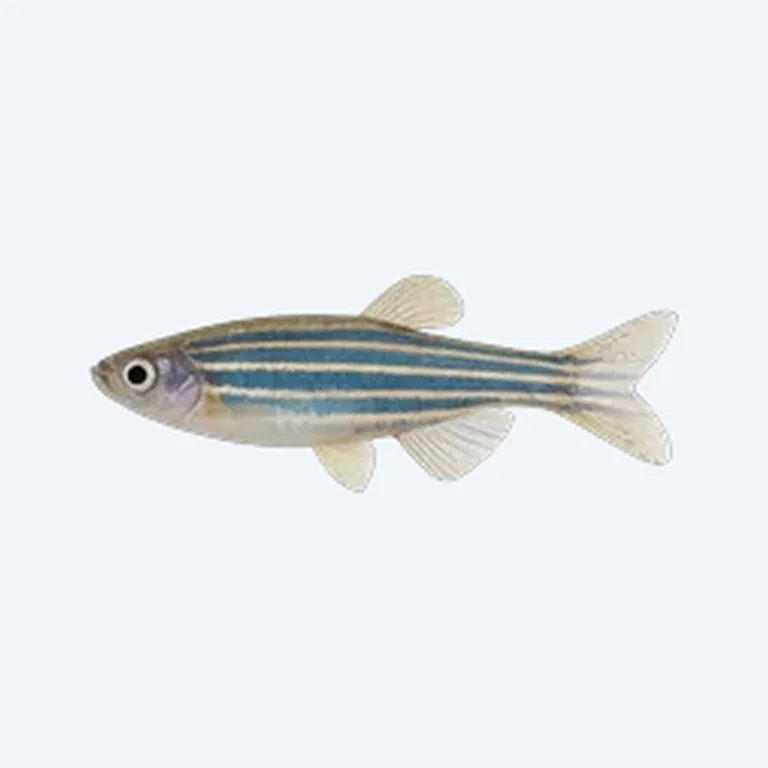
- Minimum group size: 6 individuals - fewer and they stress, skitter the glass, and nip everything in reach.
- Tank size: 60 L (16 US gal) minimum, but longer is better; danios need horizontal swimming room more than depth.
- Water: 18-26°C (64-79°F), pH 6.5-7.5, tolerant of a wide range but not temperature extremes or ammonia spikes.
- Fin nipping: Real risk in cramped tanks or with slow, long-finned species like bettas and fancy guppies - not a myth.
- Care level: Genuinely easy. One of the most forgiving fish in the hobby for new setups, including lightly cycled tanks.
- Diet: Omnivore. Accepts flake, micro pellet, and frozen foods without fuss.
Why zebra danios earn their beginner reputation
Danio rerio has been a fishkeeping staple for over a century, and it deserves its reputation. These fish handle the temperature swings, minor water quality hiccups, and inconsistent feeding schedules that come with learning the hobby. They're also fast, visually striking in a school, and cheap enough that buying the right group size doesn't break the bank.
That said, "easy" doesn't mean "needs nothing." Most of the problems people have with zebra danios - aggression, stress, disease outbreaks - trace back to one or two specific mistakes that are easy to avoid once you know what to look for.
Below six, intraspecies aggression and stress behaviours increase significantly - this isn't a guideline you can safely fudge.
Tank setup
Size and shape
The 60 L (16 US gal) minimum applies to a school of six in a species-only or simple community setup. In practice, a standard 80-100 L (21-26 US gal) tank gives you real stocking flexibility and keeps water parameters more stable. More importantly, choose a tank that's long rather than tall. Zebra danios are midwater and surface swimmers that sprint horizontally. A 60 cm (24 in) footprint is workable; 90 cm (36 in) is noticeably better.
Temperature
The 18-26°C (64-79°F) range is genuinely wide, which is part of what makes danios so adaptable. They'll tolerate an unheated tank in a warm house, which is one reason they appear on so many "no heater needed" lists. That said, holding them at the cooler end (18-20°C / 64-68°F) long-term can suppress immune function and make them more vulnerable to ich and bacterial infections. A stable 22-24°C (72-75°F) is the sweet spot for everyday keeping.
Rapid temperature swings - even within the acceptable range - trigger ich outbreaks in zebra danios faster than most beginners expect. If your tank sits near an air-conditioning vent or a cold window in winter, fit a heater and a thermometer you actually check.
Filtration and flow
Zebra danios come from fast-moving streams and rivers in South Asia. They appreciate moderate to strong water movement - a filter that turns the tank volume over 4-6 times per hour is a reasonable starting point. A powerhead or spray bar aimed along the tank length gives them current to swim against, which they actively use. Stagnant water isn't ideal and can compound ammonia buildup in smaller tanks.
Planting and décor
A mix of open swimming space and some planted or decorated areas works well. Dense vegetation at the sides and back gives the school places to break away into, which reduces fin-nipping behaviour at the margins of the group. You don't need a heavily planted tank - even a few bunches of Vallisneria or Egeria at the back and open water in front does the job.
Water parameters
Zebra danios are one of the few species that won't punish you immediately for imperfect water. That's genuinely useful when you're still learning to manage the nitrogen cycle. But "forgiving" has limits. They're not immune to ammonia or nitrite - sustained levels above 0.25 ppm of either will stress and eventually kill them like anything else.
Buying zebra danios to "cycle" an uncycled tank without understanding what that involves. If you're adding fish to an uncycled setup, you need to know what you're doing - daily testing, small water changes, and low stocking density. Read the guide on how to cycle a fish tank before you buy.
Target parameters for a healthy colony:
- Temperature: 22-24°C (72-75°F) for routine keeping
- pH: 6.5-7.5 - they're adaptable, but avoid extremes and rapid shifts
- Hardness: 2-20 dGH - not fussy, fine in most tap water
- Ammonia / Nitrite: 0 ppm at all times
- Nitrate: Below 20 ppm ideally; keep under 40 ppm with regular water changes
For more detail on what these numbers mean and how to test for them, the aquarium water parameters guide covers it properly.
Feeding
Zebra danios are unfussy omnivores. A quality flake or micro pellet as the staple diet, supplemented with frozen or live foods two or three times a week, keeps them in good condition and brings out spawning behaviour. They're fast surface feeders, so check that slower or bottom-dwelling tankmates are actually getting food - danios will hoover the surface before anything else gets a look in.
Feed once or twice daily, only as much as they clear in two minutes. Overfeeding is one of the fastest ways to destabilise water quality in a smaller tank.
Adding frozen daphnia or baby brine shrimp once or twice a week triggers spawning behaviour and visibly improves colour in adult fish. It's a cheap upgrade to their diet that makes a real difference.
The fin-nipping problem - what actually causes it
Zebra danios have a fin-nipping reputation that's partly deserved and partly overstated. Here's the honest picture: in a proper school of 8-10+ in a spacious tank, with appropriate tankmates, fin nipping is uncommon. The problem appears reliably in three situations:
- Undersized groups (fewer than 6): Social aggression within the group has no proper outlet, and it spills over onto tankmates.
- Cramped tanks: Less swimming space means more territory conflict and more incidental nipping during chases.
- Poor tankmate choices: Slow-moving or long-finned species - bettas, fancy guppies, angelfish, goldfish - are obvious targets. Danios are fast and curious; trailing fins are irresistible.
Fix the group size and the tank size first. If you're still seeing nipping after that, the issue is almost certainly tankmate incompatibility. Use the free stocking calculator to check combinations before you buy.
Most "my danios won't stop nipping" complaints come from tanks that are too small, stocked with too few danios, or paired with the wrong species. The fish isn't inherently aggressive - the setup is wrong. Fix the environment before blaming the animal.
Compatible tankmates
Zebra danios do well with other active, similarly sized fish that can hold their own. Good community options include:
- Other danio species (Danio choprae, Devario aequipinnatus) - natural fit, similar needs
- Corydoras catfish - bottom-dwelling, peaceful, different swim zone, no conflict
- Bristlenose plecos - algae-eating, ignored by danios
- Tetras (larger species like black skirt or Buenos Aires tetra) - similar activity level, compatible parameters
- Rasboras (harlequin, lambchop) - peaceful, active, similar water requirements
Avoid: bettas, fancy guppies, angelfish, discus, and any slow-moving or long-finned species. Goldfish are sometimes listed as compatible because of shared temperature tolerance, but goldfish are coldwater fish and produce far more waste than a typical community setup can handle - don't mix them.
GloFish and long-fin variants - what to know
Danio rerio is the species behind the GloFish line, which uses fluorescent protein genes to produce red, green, orange, blue, and purple fish. Their care requirements are identical to wild-type zebra danios. The main practical consideration is price - GloFish command a significant premium for what is biologically the same animal.
Long-fin variants (sometimes sold as "leopard danios" or "long-fin zebra danios") need a specific caveat: their extended fins make them targets for fin nipping from their own species and from other active fish. If you're keeping long-fin danios, raise your school size, increase tank length, and be more conservative with tankmate selection than you would be with standard short-fin fish.
Most captive fish reach 4-5 cm (about 1.6-2 in); the 6 cm (2.4 in) ceiling applies to well-fed adults in optimal conditions.
Breeding
Zebra danios breed readily - sometimes too readily, which is why experienced keepers keep them separate from tanks with fine-leaved plants they want to preserve. They're egg scatterers. The adults will eat their own eggs immediately after spawning unless you separate them.
To breed intentionally: condition a pair or small group with live and frozen foods for a week or two, then move them to a bare-bottom breeding tank (or one with a fine mesh bottom that eggs fall through) at around 26-28°C (79-82°F). Eggs hatch in 48-72 hours. Remove the adults as soon as spawning is done. Feed fry infusoria or commercial fry food initially, moving to baby brine shrimp as they grow.
Sexing is straightforward once adults are mature: females have a noticeably rounder, fuller belly, especially when gravid. Males are slimmer and more torpedo-shaped.
Common health issues
Zebra danios are robust, but they're not immune to the usual freshwater problems:
- Ich (Ichthyophthirius multifiliis): White salt-grain spots, usually triggered by temperature drops or stress. Treat with heat (raise to 28-30°C / 82-86°F over 48 hours, hold for 10 days) combined with ich medication. Remove carbon from the filter during treatment.
- Swim bladder issues: Bloating or buoyancy problems occasionally appear, often linked to overfeeding or constipation. Fast the fish for 24-48 hours and offer daphnia, which acts as a mild laxative.
- Bacterial infections: Fin rot and body ulcers usually indicate water quality problems. Fix the water first; antibacterial treatment is secondary to addressing the cause.
Keeping nitrate below 20 ppm with regular water changes removes the conditions that make most of these problems likely in the first place.
If you're managing multiple tanks or finding it hard to keep track of test results over time, App-aquatic lets you log water parameters and set care reminders for each tank in one place - useful when you're dialling in a new setup.
What most guides miss
A few things that rarely get mentioned but matter in practice:
They jump. Zebra danios are fast and will clear a gap in a lid without hesitation, especially when spooked. A tight-fitting cover is non-negotiable. This gets more relevant in tanks with powerheads or surface agitation that creates unpredictable flow patterns.
School dynamics shift with age. A young group of six may coexist peacefully, but as males mature, a clear dominance hierarchy forms. Adding a few more fish (going from 6 to 8-10) distributes this aggression across more individuals and reduces the load on any single fish.
They're more active in cooler water. At 18-20°C (64-68°F) danios are noticeably more energetic - some keepers prefer this. The tradeoff is slightly higher susceptibility to disease at sustained cooler temperatures, and their metabolism runs slower so feeding frequency can drop a little.
Zebra danios are a genuinely good first fish if you're new to the hobby. For a broader look at where they sit alongside other beginner species, the best fish for beginners guide gives useful context for building out a starter community.
Track your parameters and get care reminders with App-aquatic.
Get the free appHow many zebra danios should I keep together?
Six is the hard minimum. Eight to ten is better, especially if you have other fish in the tank. Below six, the social structure breaks down and you'll see more stress behaviour and fin nipping directed at tankmates.
Can zebra danios live with bettas?
It's a bad combination in most cases. Danios are fast and nippy; bettas are slow with long, trailing fins. Even a well-fed, non-aggressive betta will have its fins nipped in a tank with active danios. There are exceptions, but it's not a pairing worth risking unless you have a large, heavily planted tank (100 L / 26 US gal+) and a school of at least 8-10 danios to keep their attention on each other. Even then, have a backup tank ready in case the betta's fins start showing damage.