
Guide
Can a betta bite its own fins? Yes - here is why and what to do
Tail-biting frustrates keepers because it can look like disease, aggression, or bad luck. In many tanks it is simply the betta damaging its own fins - and the fix starts with environment and stress, not only medication.
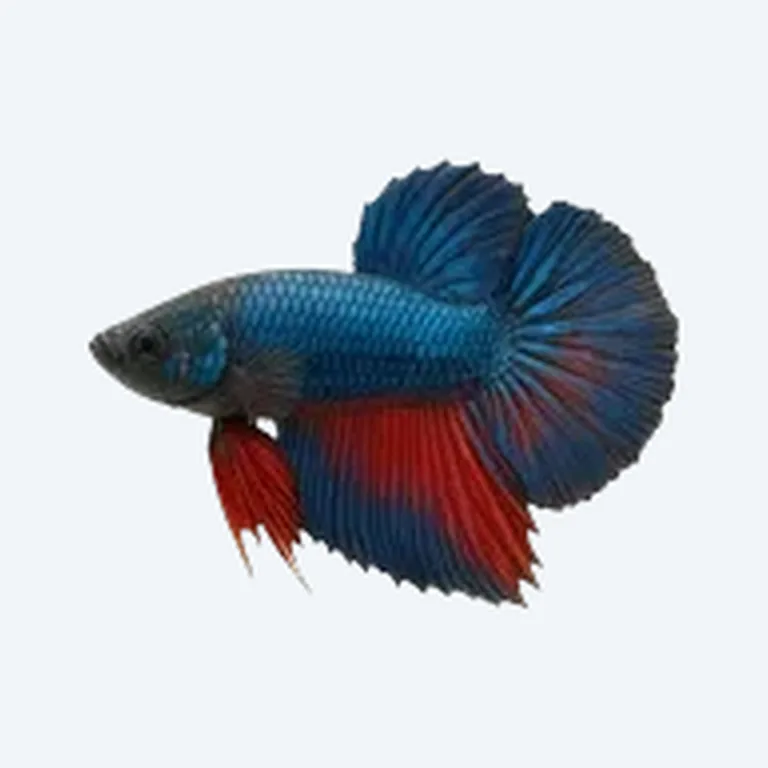
- Yes, bettas bite their own fins. It's called fin nipping or self-barbering, and it's most common in heavily-finned varieties like halfmoon and rosetail bettas.
- Main triggers: strong filter flow, boredom from a bare tank, reflection stress, poor water quality, and harassment from tank mates.
- What it looks like: clean notches or C-shaped chunks missing from the caudal fin, often appearing overnight - versus fin rot's gradual, discoloured edge recession.
- First move: test your water before doing anything else. Ammonia or nitrite above zero, or nitrate above 20 ppm, needs fixing first.
- Fix the cause, not just the symptom. Medicating fins that regrow only for the betta to bite them again solves nothing.
- Fins can regrow fully if you remove the trigger - but chronic self-biters may always be prone to it.
What self-biting actually looks like
The damage usually shows up on the caudal fin first, because it's the largest, slowest-moving target. You'll see clean-edged notches, missing chunks shaped like a crescent or C, or whole lobes shortened overnight. The edges look bitten - because they were - rather than ragged or fuzzy.
Most people never catch their betta in the act. The behaviour is brief, often happens at night or when the lights first come on, and a betta can inflict real damage in seconds. If you wake up to a fish that looked fine yesterday and now has a chunk out of its tail, self-biting is the first thing to consider.
Film your tank for 30-60 minutes in the evening with your phone propped against the glass. Bettas often bite shortly after lights-out when they're less inhibited. You might finally catch the behaviour on video.
Self-biting vs fin rot: how to tell them apart
This is where most guides get vague. Here's a practical way to distinguish them:
Self-biting produces clean, sharp edges on the missing portion. The remaining fin tissue looks healthy - clear or the fish's normal colour, with no white or dark border. Damage can appear suddenly, even overnight.
Fin rot erodes from the outer margin inward, usually progressing over days or weeks. The edge looks ragged, and you'll typically see a whitish, grey, or dark discolouration at the receding margin. In bacterial rot the tissue may appear to melt; in fungal rot you sometimes see a white cottony growth.
These can overlap. A betta that bites its fins creates wounds that are then vulnerable to secondary infection, so you can have self-inflicted damage with a bacterial fin rot infection developing on top of it. Treat both if you see physical damage and discolouration at the wound edge.
Why bettas bite their own fins
There isn't one single cause. In most tanks it's a combination of factors pushing the fish past a stress threshold. Work through each one systematically rather than guessing.
Filter flow
This is the most commonly overlooked cause. Long-finned bettas - halfmoon, rosetail, feathertail - have fins that weren't shaped by natural selection. They're a product of generations of selective breeding, and fighting a current tires those fins out. A betta that's constantly being pushed or forced to work against flow may snap at its own dragging caudal fin in frustration.
The rule of thumb is that your filter turnover shouldn't exceed 4-5× the tank volume per hour for a betta tank, and even that may be too strong for a rosetail. More importantly, check where the flow actually hits. A spray bar pointed at the surface, a baffle made from a clean plastic bottle over the outlet, or simply repositioning the outlet to create a gentle circular current can transform how a betta moves around its tank.
Boredom and an empty tank
A bare tank with no cover, no resting spots, and nothing to interact with produces a bored, anxious betta. Bettas in the wild occupy densely vegetated shallow water - rice paddies, floodplains, slow-moving ditches - where they spend time resting near the surface and investigating structure. A glass box with plastic gravel and a plastic castle doesn't give them that.
Add broad-leaved plants (real or high-quality silk) at various heights, a floating log or surface cover, and a leaf hammock within 5-8 cm of the water surface. Bettas are labyrinth fish and need to breathe from the surface frequently. If your tank makes every trip to the surface a swim across open water, that's stress.
Reflection stress
Bettas are territorial and will flare at their own reflection for hours if they can see it clearly. A tank lit from above in a dark room turns the glass into a mirror from the fish's perspective. Constant flaring is exhausting - it's a full-body display - and a chronically stressed, exhausted betta is much more likely to self-bite.
Add a dark background on three sides of the tank. Adjust your lighting so the reflection is less pronounced. If you're using the tank as a display piece and want side viewing, that's fine - just make sure the fish has breaks from its own reflection.
Water quality
Ammonia and nitrite are acutely toxic and cause tissue damage directly. But even chronic low-level elevation - ammonia hovering around 0.25 ppm, nitrate creeping past 40 ppm - lowers a fish's stress threshold and makes aberrant behaviours like self-biting more likely. Check your parameters against the target ranges in our aquarium water parameters guide and make sure your tank is properly cycled (see how to cycle a fish tank if you're not sure).
Temperature matters too. Bettas do best at 24-28°C (75-82°F). Below 22°C (72°F) they become sluggish and more susceptible to illness; above 30°C (86°F) they're stressed and oxygen-depleted. A reliable heater and thermometer - checked daily - are non-negotiable.
Don't assume your tank is cycled just because it's been running for a few weeks. A common mistake is adding a betta to an uncycled tank, seeing a healthy-looking fish for a couple of weeks, then wondering why it starts acting strangely. Ammonia buildup in an uncycled tank is a slow stressor. Test, don't assume.
Tank mates
Any fish that chases, nips, or outcompetes a betta for space creates stress. Barbs, serpae tetras, and some danios are known fin nippers. But even peaceful community fish can be a problem if the tank is too small or densely stocked - a betta that's constantly evading, hiding, or on alert is a stressed betta. A stressed betta bites itself.
Bettas are also stressed by fish that resemble them. Guppies with long, colourful tails trigger the same territorial response as a rival male betta. Keeping a betta with fancy male guppies is a bad idea regardless of what the fish store tells you.
Some bettas are simply chronic self-biters and will return to the behaviour no matter what you do. Rosetail and feathertail bettas especially - their fins are so exaggerated that the fins themselves seem to irritate the fish. This is a welfare issue created by selective breeding pushed too far. If you want a betta that's unlikely to self-bite, choose a plakat (short-finned) or a normal halfmoon rather than the most extravagant finnage you can find.
What to do - in the right order
Most people go straight to medication. Don't. Here's the sequence that actually works:
1. Test your water first
Ammonia: 0 ppm. Nitrite: 0 ppm. Nitrate: under 20 ppm ideally, certainly under 40 ppm. Temperature: 24-28°C (75-82°F). pH: 6.5-7.5. If any of these are off, fix the water before anything else. Water changes are your most powerful tool - see how often to do water changes for a practical schedule.
2. Reduce flow and audit the tank layout
Baffle or redirect your filter outlet. Add surface resting spots. Check all decor for sharp edges - run your finger along any rocks, resin ornaments, or fake plants. If anything snags your finger, it can tear a fin. Replace sharp-edged plastic plants with silk alternatives or live plants like Anubias or Java fern, which are easy to keep and genuinely appreciated by bettas.
3. Reduce reflection and visual stress
Dark backing, position the tank away from high-traffic areas, and avoid placing it near a television or other source of flicker and movement that the betta reacts to constantly.
4. Re-evaluate tank mates
If you have fish with any reputation for nipping, or if you see even occasional chasing, the safest option for the betta is a species-only setup. Use our free stocking calculator to check whether your current stocking even makes sense for your tank size.
5. Support fin regrowth - carefully
Once you've removed the trigger, fins regrow on their own in clean, warm water. You don't need to medicate unless there's active infection (discolouration, white or dark edges, tissue that looks like it's dissolving). If there are signs of secondary bacterial infection, a course of an appropriate antibiotic is warranted - but only after you've addressed the root cause, otherwise you're just treating a symptom while the problem continues.
Adding aquarium salt (1 teaspoon per 10 litres / 2.5 gallons) temporarily can help with osmotic stress and mild infection prevention, but it's not a substitute for treating bacterial rot if that's present.
Medicating a self-biting betta with fin rot treatments, watching the fins regrow, then wondering why the damage reappears two weeks later. The medications work. The problem is you haven't identified what's causing the biting. Fix the environment first - the fins will take care of themselves.
What most guides miss: the rosetail problem
Rosetail and feathertail bettas have such overdeveloped finnage - the result of branching ray mutations stacked through generations of selective breeding - that the fins are genuinely difficult for the fish to carry. They drag. They catch on things. The fish bites them partly because they're in the way. No amount of tank optimization fully eliminates self-biting in some of these individuals.
If you already own a rosetail that self-bites, you can minimize it by keeping the environment as stress-free as possible and flow as gentle as possible. But be realistic: you may be managing the problem rather than solving it. This is worth knowing before you buy, which is why plakats - short-finned bettas that look more like the wild-type Betta splendens - are the better choice if you want a fish that's likely to stay healthy long-term.
79°F - the sweet spot for immune function and activity. Deviating significantly in either direction increases disease susceptibility and stress-related behaviours.
Track your parameters and get care reminders with App-aquatic.
Get the free appWill my betta's fins grow back after self-biting?
Yes, in most cases - provided you remove the cause and maintain clean water. Fin tissue regenerates relatively quickly in warm, well-maintained water at 26-28°C (79-82°F). Minor damage can heal within a few weeks; major damage may take a couple of months. If the biting continues, the fins won't get a chance to recover, so fixing the trigger is the priority.
How do I know if it's self-biting or another fish nipping?
Watch the tank carefully, especially at feeding time and during the first hour of lights-on. Other fish nipping will be visible if you observe long enough - you'll see them dart at the betta's tail. If the betta is alone and still has fin damage, it's self-inflicted. Damage that appears very suddenly overnight in a single-betta tank almost certainly means self-biting.
Should I add salt when my betta bites its fins?
A low dose of aquarium salt - 1 teaspoon per 10 litres (2.5 gallons) - can help reduce osmotic stress and offers mild antibacterial benefit to open wounds. It's a reasonable supportive measure, but it won't stop the biting behaviour and it's not a treatment for bacterial fin rot. Deal with the root cause first.
My betta only bites its fins at night - is that normal?
Yes. Fin biting often happens when lighting changes - lights-out or lights-on - or in low light conditions. This is probably related to reduced inhibition and the fact that the fish's reflection is more visible in a dimly lit tank. Adding a dark background and ensuring gradual lighting transitions (rather than sudden on/off) can reduce this.
Can a betta bite its fins because the tank is too small?
Yes. Bettas kept in under 15 litres (4 gallons) are consistently more stressed - the volume is harder to keep stable, parameters swing more, and there's less room to establish territory and resting spots. A minimum of 20-30 litres (5-8 gallons) for a single betta is a realistic baseline. Smaller tanks aren't just an ethical concern; they produce worse outcomes and more problem behaviours including self-biting.
All guides · Betta fins damaged · Betta care · Fin rot · Get the app