
Guide
Wood shrimp - the complete guide (bamboo shrimp, Singapore shrimp, fan shrimp and more)
Wood shrimp are one of the most fascinating freshwater invertebrates in the hobby - they're large, peaceful, and feed by sitting in flow and fanning particles from the current. They're also genuinely misunderstood: most failures come from not understanding their feeding mechanism, and most people don't know all the names this one species travels under.
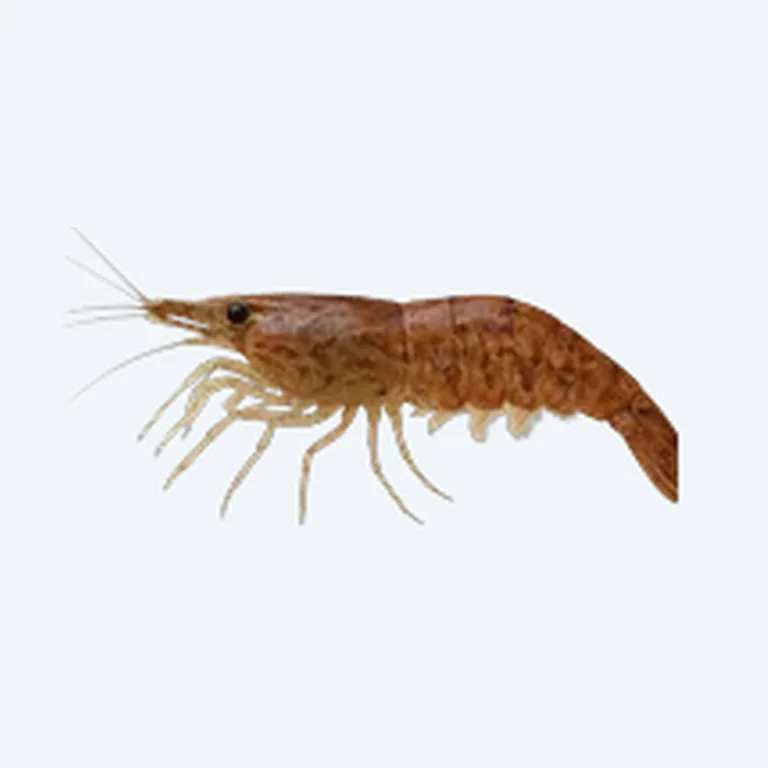
- Species: Atyopsis moluccensis (primary species in the hobby). Related: Atyopsis gabonensis (African fan shrimp).
- Common names (all the same shrimp): Wood shrimp, bamboo shrimp, Singapore shrimp, Singapore flower shrimp, fan shrimp, flower shrimp, Asian filter shrimp, mountain shrimp.
- How they feed: Filter feeders - they open four fan-like appendages into water current and intercept suspended particles. They do not forage on the substrate like other shrimp when well-fed.
- Can they breed in captivity? Effectively no - larvae require saltwater to develop. All sold shrimp are wild-caught.
- Tank minimum: 75L+. Needs flow. Needs stable, clean water. Sensitive to copper and poor water quality.
- Size: 5-8cm as adults. Longer-lived than dwarf shrimp (3-5 years possible).
All the common names - and why it matters
Few freshwater invertebrates are sold under as many different names as Atyopsis moluccensis. Walking into different aquatic retailers or searching different online stores, you might encounter any of the following - all referring to the same animal:
- Wood shrimp: The most common UK trade name. Refers to their habit of resting on and clinging to wood and driftwood in both the wild and the aquarium.
- Bamboo shrimp: The dominant name in American fishkeeping. Origin is debated - possibly referring to body shape or natural habitat among bamboo-like vegetation in Southeast Asian streams.
- Singapore shrimp / Singapore flower shrimp: Widely used in European and British trade. Despite the name, A. moluccensis is not specifically from Singapore - it's found across Southeast Asia, from Sri Lanka through Thailand, Malaysia, Indonesia, and the Philippines. Singapore was a major export hub for the aquarium trade, which is likely how the name stuck.
- Fan shrimp: Purely descriptive - refers to the fan-shaped appendages the shrimp uses for filter feeding.
- Flower shrimp: Also descriptive - when the fans are fully open during feeding, the shrimp resembles a flower in bloom.
- Asian filter shrimp: Generic trade name that helpfully describes both origin and feeding habit.
- Mountain shrimp: Used occasionally in some trade sources, referencing their natural habitat in fast-flowing, well-oxygenated highland streams.
If you see "bamboo shrimp" listed for £8-15 and "Singapore flower shrimp" listed for £12-18, these are almost certainly the same animal. Check the scientific name (Atyopsis moluccensis) if you want certainty. The only genuinely different common "fan shrimp" is the African fan shrimp (Atyopsis gabonensis), which has similar care requirements but a different origin and slightly different appearance.
What is filter feeding - and how does it work?
Filter feeding is a strategy used by many aquatic animals - from mussels and barnacles to baleen whales - where food is extracted from water passing through or past a specialised filtering structure, rather than actively hunting or grazing individual food items.
In wood shrimp, the filter feeding apparatus consists of four pairs of specially modified appendages called maxillipeds (literally "jaw feet" - leg-like appendages near the mouth). Each maxilliped ends in a fan-like structure covered in fine setae (hair-like projections) that are highly effective at intercepting suspended particles.
The feeding sequence
- Positioning: The shrimp moves to a location in the tank with appropriate water current - typically near a filter outlet, powerhead, or spray bar. The current must be strong enough to carry suspended particles but not so strong that the shrimp is swept off its perch. In the wild, they inhabit fast-flowing streams and rapids, clinging to rocks with their legs while their fans extend into the flow.
- Fan deployment: The four fans open and spread into the current, creating a broad capture surface. Individual fans are roughly 1-2cm when fully open - collectively they form a substantial particle trap.
- Particle capture: Suspended particles - microalgae cells, fine organic detritus, yeast cells, biofilm fragments - are intercepted by the fine setae as water passes through the fan. The setae are packed closely enough to trap particles in the 1-100 micron range.
- Cleaning and ingestion: Periodically, the shrimp closes its fans and sweeps the captured material toward its mouth with the maxillipeds, then reopens the fans into the flow and repeats.
This is why standard aquarium foods are too large for wood shrimp to fan-feed on - most pellets and flakes are many times larger than the particles their fans are adapted to intercept. Feeding wood shrimp effectively means providing food in the right size range: spirulina powder, finely powdered algae, liquid invertebrate foods, or blended dried foods suspended in water.
Reading your wood shrimp's behaviour
The position and behaviour of wood shrimp is a surprisingly accurate real-time indicator of food availability in your tank:
- Fans open, positioned in strong flow, not moving much: Happy, well-fed shrimp with sufficient particle density in the current. This is what you want to see.
- Moving constantly around the tank, not staying in one spot: Searching for a location with more food particles. May indicate insufficient particulate matter in the water. Time to supplement feed.
- Grazing on substrate or hardscape with closed fans: This is the clearest distress signal - the shrimp has given up filter feeding because the water has insufficient particles, and has resorted to scavenging. Chronic substrate grazing in wood shrimp is associated with gradual starvation and eventually death.
- Hiding and inactive during daylight hours: Normal - wood shrimp are somewhat crepuscular and more active in lower light. Brief hiding is fine. Extended, complete inactivity is a concern.
Tank setup for wood shrimp
Tank size and flow
Wood shrimp need two things above all else: volume and flow. A minimum of 75L is recommended, with 100-150L+ genuinely preferred. More tank volume means more stable water parameters, more natural particulate matter, and less risk of the rapid parameter shifts that harm these sensitive invertebrates.
Flow is non-negotiable. A low-flow tank cannot support wood shrimp effectively - they cannot fan feed without current. Aim for a turnover rate of 5-10x tank volume per hour, with at least one area of moderate-to-strong surface flow where the shrimp can position themselves. Filter outlets, powerheads positioned to create flow across elevated hardscape (rocks, wood), and spray bars are all suitable. Watch where the shrimp chose to position themselves naturally - they will self-select the optimal feeding spot.
Substrate and hardscape
Wood shrimp spend most of their time on elevated surfaces in flow - not on the substrate. Driftwood, smooth rocks, and elevated structures that the shrimp can grip while in current are essential. Without elevated perches in flow, wood shrimp often end up on the substrate in low-flow zones and cannot feed efficiently.
Driftwood is particularly beneficial: it harbours biofilm, which is an excellent natural food source. Shrimp that aren't fan feeding will often be found grazing biofilm from wood surfaces - unlike substrate grazing, biofilm grazing from wood is natural behaviour and not a cause for concern.
Water parameters
- Temperature: 22-28°C. Wild populations live in fast-moving, well-oxygenated highland streams - slightly cooler than many tropical setups. They tolerate temperatures up to 28°C but do best in the 24-26°C range. Avoid keeping them with fish that require 28-30°C.
- pH: 6.5-7.5. Slightly acidic to neutral. They originate from soft, slightly acidic mountain stream water but adapt to a broader range in captivity.
- GH: 4-10 dGH. They need some mineral content for moulting - a tank that is too soft can cause moulting problems. Avoid extremely soft water (GH below 3 dGH).
- KH: 2-8 dKH. Adequate buffering for pH stability.
- Ammonia / Nitrite: Zero. Non-negotiable - these shrimp are sensitive to both.
- Nitrate: Below 20 ppm. Regular water changes essential.
- Oxygen: High. Their natural habitat is fast-moving, oxygen-rich water. Good surface agitation and strong circulation are important - a stagnant tank will cause wood shrimp to deteriorate.
Wood shrimp (and all invertebrates) are extremely sensitive to copper. Many common fish medications contain copper - always check before dosing any medication into a tank with shrimp. Copper is used to treat ich, velvet, and parasitic infections, and even trace amounts can kill invertebrates. If you need to treat fish for copper-sensitive diseases, either remove all invertebrates to a separate tank or use a copper-free treatment alternative. Some tap water supplies carry trace copper from old plumbing - if you have copper pipes, consider using a conditioner that chelates metals.
Feeding wood shrimp in captivity
This is the most common point of failure for wood shrimp keepers. The natural food sources in a tank - biofilm, suspended algae, detritus - are rarely sufficient without supplementation, particularly in clean, low-bioload tanks that are frequently water-changed.
Effective feeding methods
- Spirulina powder: The most widely recommended supplement. Mix a small pinch in a cup of tank water, stir vigorously until dispersed, and squirt upstream of the shrimp using a syringe or turkey baster. The cloud of particles provides exactly the fine-grade suspension the shrimp needs to fan feed.
- Powdered algae/dried food: Finely ground algae wafers, ground spirulina flakes, or any high-quality dried food blended to a fine powder and suspended in water. The particle size must be fine enough to remain in suspension - chunks will sink before the shrimp can intercept them.
- Liquid invertebrate foods: Commercial liquid foods designed for corals and filter feeders (phytoplankton, rotifers, copepod suspensions) work well and are convenient. Expensive for regular use but excellent as a supplement.
- Yeast: A small pinch of bakers' or brewers' yeast in water, suspended and squirted upstream. Yeast particles are in the right size range and nutritious. Use sparingly - too much causes water quality issues.
Many wood shrimp deaths that are attributed to "mysterious decline" or "died for no reason" are actually slow starvation. Wood shrimp can appear outwardly healthy for weeks while declining - they do not show obvious symptoms of starvation like many fish do. A shrimp that is chronically scavenging the substrate, moving constantly without settling, and gradually becoming thinner over weeks is starving. The most common cause is a very clean, heavily filtered tank with few natural particles and no supplementary feeding. If you have wood shrimp, feed them directly 3-4 times per week with fine suspended food regardless of how clean your tank looks.
Can wood shrimp breed in captivity?
This is one of the most frequently asked questions about this species - and the answer is a clear "not in a standard freshwater aquarium." Here's why:
Wood shrimp can breed in freshwater aquariums like cherry shrimp or neocaridina species.
Wood shrimp have a complex lifecycle that requires saltwater. Female wood shrimp do become berried (carry eggs), and you may observe mating behaviour. However, when the eggs hatch, the larvae (zoea) are planktotrophic marine/brackish larvae that require water with salinity close to full marine (30-35 ppt) to complete their development. In freshwater, they die within hours of hatching. Successful captive propagation requires a brackish rearing tank, appropriate larval foods (microalgae, rotifers), and the ability to transition juvenile shrimp gradually back to fresh water as they mature. This has been achieved by specialist breeders - but requires a dedicated facility that most hobbyists cannot or won't set up. All wood shrimp in the trade are wild-caught from Southeast Asian streams.
The conservation implication
Because all commercially available wood shrimp are wild-caught, the hobby depends on sustainable wild harvest. Population data for Atyopsis moluccensis is limited, but habitat degradation in Southeast Asian highland streams - deforestation, agricultural runoff, and water extraction - is an ongoing concern. Treating wood shrimp with the seriousness their care requirements demand (rather than treating them as disposable) is good practice for conservation as well as welfare reasons.
Moulting - what to expect
Like all crustaceans, wood shrimp grow by moulting - shedding their old exoskeleton and rapidly expanding before the new one hardens. For keepers unfamiliar with shrimp, moults can be alarming:
- How often: Young wood shrimp moult frequently - every few weeks. Adults moult less often, typically every 4-8 weeks depending on conditions.
- What it looks like: You may find a perfectly formed, translucent empty shrimp shell on the substrate. New keepers often think their shrimp has died - check carefully for the live animal, which will be hiding and vulnerable.
- Post-moult vulnerability: For 24-48 hours after moulting, the new exoskeleton is soft and the shrimp is vulnerable to predation and physical damage. Even normally peaceful fish may nip at a soft-shelled shrimp. This is why a heavily planted or decorated tank with hiding spots is important.
- Leave the moult shell: The shrimp will consume the old shell, reclaiming minerals from it. Remove it after 2-3 days if it hasn't been eaten.
- Failed moults: A shrimp that cannot shed its old exoskeleton (a "stuck moult") will die. Failed moults are usually caused by inadequate mineral content in the water (low GH/KH) or poor nutrition. This is another reason very soft water is unsuitable for wood shrimp.
Tankmates and compatibility
Wood shrimp are entirely peaceful and present no threat to any tankmate. The concern is entirely the other direction:
- Good tankmates: Small, peaceful community fish - tetras, rasboras, danios, small corydoras, otocinclus, small plecos, small gobies. Other peaceful shrimp (neocaridina, caridina). Snails.
- Avoid: Any fish large enough to eat the shrimp (5cm+ carnivorous fish). Aggressive cichlids. Loaches (clown loaches, yoyo loaches) which actively hunt crustaceans. Large crayfish. Pufferfish. Bettas can be unpredictable - some ignore large shrimp, others harass them.
- The moult concern: Post-moult wood shrimp are vulnerable to any moderately-sized fish. During the 24-48 hours of soft-shell vulnerability, even fish that normally ignore the shrimp may investigate and nip. Dense planting and hardscape hiding spots mitigate this.
- Ensure your tank is at least 75L and has been running (cycled) for at least 6-8 weeks - wood shrimp do not tolerate new tank syndrome.
- Check for moderate-to-strong flow areas in the tank - if your flow is low, add a powerhead or position the filter outlet to create a suitable feeding zone.
- Confirm zero ammonia and nitrite before purchase.
- Have fine-grade food ready - spirulina powder, liquid invertebrate food, or powdered algae.
- Check current medications or recent medication history - any copper-containing treatment in the last 4-6 weeks should prompt caution.
- Remove or confirm the absence of predatory/aggressive tankmates.
- Avoid buying wood shrimp that are pale, inactive, or showing closed fans in a display tank - these are signs of stress or poor health.
Related guides
Track your water parameters, monitor shrimp behaviour over time, and get species-specific care requirements with App-aquatic - including wood shrimp parameter targets and compatibility checks.
Get the free appMy wood shrimp keeps moving around and not settling - what does that mean?
A wood shrimp that constantly relocates without settling to filter feed is searching for a spot with adequate food particles in the current. This usually means the particle density in your water is too low for effective fan feeding. Supplement with spirulina powder or fine liquid foods suspended in water and squirted upstream of the shrimp - you should see it settle to fan feed within minutes if the food concentration is sufficient. If it continues to roam after supplementary feeding, also check that your flow pattern provides a suitable perch with good current and that water quality parameters are within range.
Is my wood shrimp dead or just moulted?
If you find what looks like a perfectly formed, pale shrimp on the substrate, it is most likely the moult shell, not a dead shrimp. A moult shell is completely intact, translucent/pale, and hollow - the antennae, legs, and even the fan appendages are preserved in perfect form. A dead shrimp will typically discolour (reddish or white opacity) within hours and will have a distinctive odour. Look carefully for the live shrimp in hiding before assuming it has died - post-moult shrimp hide for 24-48 hours while the new shell hardens.
Can I keep wood shrimp with cherry shrimp?
Yes - they are entirely compatible. Wood shrimp are peaceful and considerably larger than cherry shrimp (neocaridina). There is no predation risk in either direction. The tank requirements overlap reasonably well - both prefer clean, well-oxygenated water with stable parameters. The main difference is that cherry shrimp are much more tolerant of varying conditions and easier to keep than wood shrimp. Cherry shrimp can breed freely in freshwater; wood shrimp cannot.
Why did my wood shrimp die after a water change?
Wood shrimp are sensitive to several water change related issues: chlorine in tap water (always dechlorinate), sudden temperature shock from cold water, significant parameter shifts (pH, hardness), and copper from new plumbing or certain medications. If your shrimp died within hours of a water change, the most likely causes are undechlorinated water, a significant temperature difference between tank and change water, or a parameter shift. Wood shrimp require more careful water change preparation than most fish - match temperature, dechlorinate thoroughly, and add slowly to minimise parameter shock.
All guides · Water parameters · GH and KH explained · Aquarium water evaporation · Get the app