
Guide
Keeping assassin snails with nerite snails
Both are charismatic invertebrates, yet one is a snail specialist and the other is a peaceful algae grazer with a souvenir-grade shell. This guide explains the predator – prey reality, factors that inflate or deflate the danger, and stock plans we would actually sign off on.
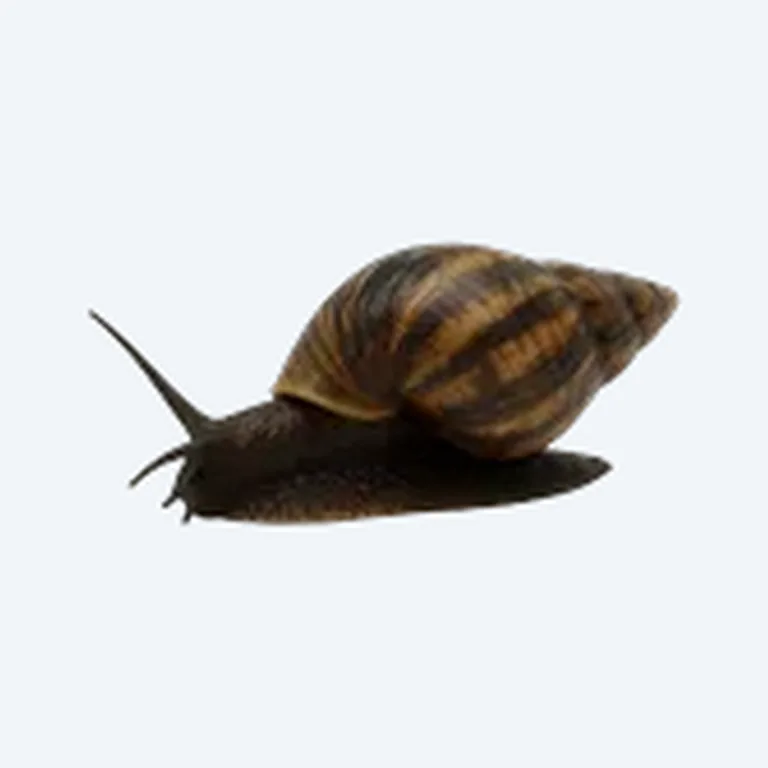
- Default verdict: assassin snails (Clea helena) and nerite snails are a poor deliberate pairing - assassins hunt by gastropod chemistry, not by price tag, and will target nerites when easier prey runs out.
- Shell size helps, but isn't protection: large, healthy nerites are harder to subdue than bladder snails, but a hungry or bored assassin will still attempt them - especially at night.
- When pest snails disappear, risk spikes: assassins used for a cleanup campaign don't retire once the bladder snails are gone. They redirect.
- Numbers matter: one assassin in a large, heavily stocked tank is a very different situation from six assassins in a 15-litre cube with only nerites for company.
- Best practice: run assassins in a separate pest-control or scrub tank; keep nerites in a predator-free display. If both must share water, feed assassins regularly and watch nightly activity closely.
- No combination is zero-risk: every "it worked fine for me" report exists alongside an equal number of chewed nerite shells. Plan accordingly.
Checking a specific pairing? Our fish compatibility checker compares any two of 763 species on water parameters, predation risk, fin nipping, temperament and tank size — and draws them both at life size so you can see the difference.
Why these two conflict by design
Clea helena - the assassin snail - is a specialist predator of other gastropods. It tracks chemical traces left by snails and worms in the substrate, buries itself between attacks, and uses a sharp, piercing feeding style evolved specifically for mollusk flesh. That's not a personality quirk you can socialise away; it's the entire biological point of the animal.
Nerite snails (Neritina spp., Vittina spp., and relatives) are algae grazers. They're bought for exactly the opposite reason - they clean glass and hardscape without reproducing in freshwater, and their striking shell patterns make them ornamental in their own right. Horned nerites, zebra nerites, olive nerites: all bring high algae appetite and zero aggression. They also belong to the class Gastropoda, which is precisely the food group assassins are wired to pursue.
The conflict isn't temperamental incompatibility in the way a cichlid bullies a tetra. It's a predator-prey relationship where one animal's dinner and the other animal's tankmate are the same thing.
A lot of forum posts reassure you this combination "works fine." What those posts rarely mention is the tank size, the assassin-to-nerite ratio, whether pest snails were still present, or how long the observation period actually was. Short-term coexistence is not the same as long-term safety for your nerites.
The real predation risk - what actually determines it
Risk isn't binary. A single juvenile assassin in a 200-litre tank still crawling with ramshorn pest snails is a genuinely low threat to a colony of adult nerites. Six adult assassins in a 30-litre tank where you've just wiped out the pest snail population is a serious, immediate danger. The variables below are what actually shift the odds.
Assassin numbers vs tank volume
Assassins don't school or coordinate hunts, but density matters because it increases the probability of a nerite being cornered or encountered while sedentary. A single hunter in a large, well-planted tank has plenty of substrate to patrol without ever finding a nerite. A group of five in a nano tank will exhaust the territory quickly.
Alternative prey availability
This is the single biggest driver of risk. Assassins that have access to bladder snails, ramshorns, or Malaysian trumpet snails will prioritise easier prey - smaller, thinner-shelled, more numerous. The moment that supply drops, nerites move up the menu. Most people get this wrong by treating assassins as a one-time solution: they add them, the pest snails disappear, and they don't think about what happens next. What happens next is the assassins get hungry.
Nerite shell size and condition
Adult nerites with thick, intact shells are genuinely harder to subdue than juvenile nerites or snails with erosion damage. Assassins are not physically strong - they use a long proboscis to feed through or around the operculum, which is easier when the snail is small or the shell is compromised. A 2cm zebra nerite in good health is a tougher target than a 0.5cm baby ramshorn. It's not immune, but the effort-to-reward ratio is worse for the assassin.
Shell condition in nerites is closely tied to water hardness and calcium availability. Soft, acidic water erodes shells and makes nerites more vulnerable. Both species actually prefer similar water chemistry - hard, alkaline, well-oxygenated - so at least the chemistry requirements don't conflict. See our guide to aquarium water parameters for the full breakdown.
Feeding regime
Well-fed assassins hunt less aggressively. Offering sinking carnivore pellets, bloodworm, or meaty wafers regularly doesn't eliminate predatory instinct, but it does reduce the drive that comes from genuine hunger. An assassin that just ate is less motivated than one that hasn't found a meal in two weeks.
If you're running assassins in a tank that also houses nerites, feed the assassins two to three times per week with sinking protein-based food - specifically after lights-out, when assassins are most active. This won't guarantee safety, but it removes the hunger variable.
Time of day and observation
Assassins are almost entirely nocturnal hunters. If you only check your tank during daylight hours, you will miss most predation attempts. Losses look like mysteriously empty shells or nerites that disappear without explanation. Checking with a torch an hour or two after lights-out tells you far more about what's actually happening in the tank.
Assassins can take up to a day to fully consume a larger snail - the empty shell is often the only evidence you find.
When keepers run this combination anyway
Plenty of experienced fishkeepers do keep both species together, and some manage it without losses for extended periods. The setups that tend to work share a few characteristics:
- Large tanks (150L+) with heavily planted or rockwork-dense hardscape that gives nerites refuges and dilutes assassin patrol range.
- One or two assassins maximum - kept specifically because some pest snails continue to hitchhike in on plants, giving the assassin a steady trickle of easier prey.
- Consistent supplemental feeding so assassins aren't relying solely on live prey.
- Nerite population of eight or more adults, which statistically reduces the chance of any individual being targeted repeatedly - though this logic only holds if losses are genuinely rare and monitored.
None of this makes the pairing safe by design. It makes it a managed gamble that some keepers accept. Whether that's reasonable depends entirely on whether you can live with occasional nerite losses, or whether each one you bought represents money and an animal you care about specifically.
If you're adding assassins to handle a pest snail outbreak, plan for what happens after the outbreak is over. Either remove the assassins once numbers are controlled, introduce a slow maintenance source of alternative prey, or accept that your nerites are now at elevated risk.
Better alternatives for the job you're trying to do
The reason people land on this pairing is usually one of two goals: they want pest snail control, or they want comprehensive algae grazing. The combination of one assassin and several nerites tries to solve both problems in one tank, which is where the conflict originates.
For pest snail control without nerite risk
The cleanest method is manual removal with a snail trap (a piece of blanched zucchini left in overnight, then removed in the morning with everything attached). It's low-tech and surprisingly effective at reducing populations without introducing a predator that will need rehoming later. For persistent infestations, assassins work well - just in a separate tank without ornamental snails present, or removed once the job is done.
For algae grazing without pest snail risk
If nerites are your algae crew, you don't need assassins at all - their job descriptions don't overlap. Add otocinclus catfish for soft green algae on glass and plants (they won't touch snails), or amano shrimp for broader algae variety. Both coexist with nerites without any predation concern.
For both in the same tank
The most practical approach is to keep your pest snail population managed but not eliminated - enough bladder snails trickling in from plant introductions to keep one or two assassins fed without ever requiring them to target nerites. This is a moving target and needs active management, but it's more honest than hoping assassins will politely ignore the nerites they're sharing water with.
Adding assassin snails to a display tank, wiping out the pest snail population within a few weeks, then wondering why nerites start disappearing a month later. The assassins didn't "turn aggressive" - they were always predators. You just removed their primary food source.
Care requirements for each species
Where these two animals do agree is on water chemistry, which is at least one less problem to manage if you choose to keep both.
Assassin snails
- Temperature: 24-28°C (75-82°F)
- pH: 7.0-8.0
- Hardness: Moderately hard to hard - GH 8-15 dGH. Soft water causes shell erosion and reduces breeding success.
- Substrate: Sand or fine gravel essential - they bury regularly and can't do this in coarse gravel or bare-bottom setups.
- Tank size: Minimum 40L for a pair; they don't need space for activity but do need enough territory to hunt without immediately exhausting the prey supply.
- Breeding: Will breed in freshwater. Eggs laid in small capsules on hard surfaces. Slow reproduction - rarely becomes an overabundance problem.
Nerite snails
- Temperature: 22-28°C (72-82°F)
- pH: 7.0-8.5
- Hardness: Hard water preferred - GH 8-12 dGH minimum. Shell erosion is common in soft or acidic tanks.
- Tank size: As small as 20L for one or two; scale up for algae cleaning effectiveness. One nerite per roughly 10L is a common working ratio for adequate algae control.
- Breeding: Will lay eggs in freshwater (white sesame-seed dots on hardscape and glass), but larvae require brackish or marine water to develop. No population explosion in freshwater.
- Escape risk: High. They will leave the water. A tight-fitting lid is non-negotiable.
Both species benefit from stable, well-maintained water with regular partial changes. If you're new to managing parameters consistently, the guide on water change frequency and the overview of aquarium water parameters cover the fundamentals. App-aquatic's parameter tracking and reminder features are useful here - logging your GH and pH regularly catches the slow drift toward soft, acidic conditions that degrades both species' shell health before visible damage appears.
Track your parameters and get care reminders with App-aquatic.
Get the free appWill assassin snails definitely eat my nerites?
Not definitely, but there's a real and ongoing risk - especially once pest snail populations drop. Larger nerites with intact shells are harder targets, but no nerite is reliably safe in a tank with hungry assassins. The question isn't whether it can happen; it's whether you're willing to manage the conditions that reduce how likely it is.
I already have both in my tank and it seems fine. Should I separate them?
If you have plenty of alternative prey (pest snails still present), large adult nerites, and you're actively checking for losses, then short-term coexistence without incident is possible. Watch for disappearing nerites or shells without bodies. If pest snail numbers are low and the assassins are thin on food options, separate them before you start losing animals rather than after.
How many assassin snails do I need to clear a pest snail infestation?
Two to four adults will handle a typical pest snail problem in a 100L tank within a few months. More isn't faster in any meaningful way - assassins hunt on their own schedule regardless of how many are present. Add too many and you'll exhaust the pest snail supply quickly, then face the rehoming question sooner.
Can I keep assassin snails with shrimp?
Adult shrimp - amano shrimp especially - are generally fine with assassins. Small juvenile shrimp and dwarf shrimp fry are more vulnerable, and there are credible reports of assassins taking very small or moribund shrimp. It's a lower-risk pairing than assassins with nerites, but not a zero-risk one. A heavily planted tank with good cover significantly reduces incidents.
What can I use for algae control instead of nerites if I want to keep assassins?
Otocinclus catfish (for soft algae on glass and leaves), bristlenose plecos (for harder algae and wood surfaces), and amano shrimp (for filamentous and thread algae) all work well alongside assassins without any predation concern. None of them are gastropods, so they're simply not on the assassin's target list.
All guides · Assassin snails · Nerite shell issues · Snails dying · Pest snail digest · Get the app